What challenges should designers face now, as found at the GOOD DESIGN AWARDs.
FOCUSED ISSUES is a GOOD DESIGN AWARD initiative that depicts the future of design in society through the screening process.
FOCUSED ISSUES 2025
Considering “FOCUSED ISSUES 2025”
Tyrol-Do, Design to Alter Our Consciousness” - Three Years after Winning GOOD DESIGN GRAND AWARD: Takashi Yoshidada × Daisuke Sakamoto × Naoki Ota
2026.1.29
In recent years, GOOD DESIGN AWARD has announced more than 1,000 winners every year, discovering not only beauty but also good designs that enrich people, society, and the future. It serves as a beacon for future design.
But from the perspective of the winners, winning the award is just a passing point. It is hard to tell whether the past winners are really changing society. Naoki Ota, a 2025 Focused Issues researcher, decided to follow up on “Magical Dagashiya Tyrol-Do,” which received the GOOD DESIGN GRAND AWARD three years ago.
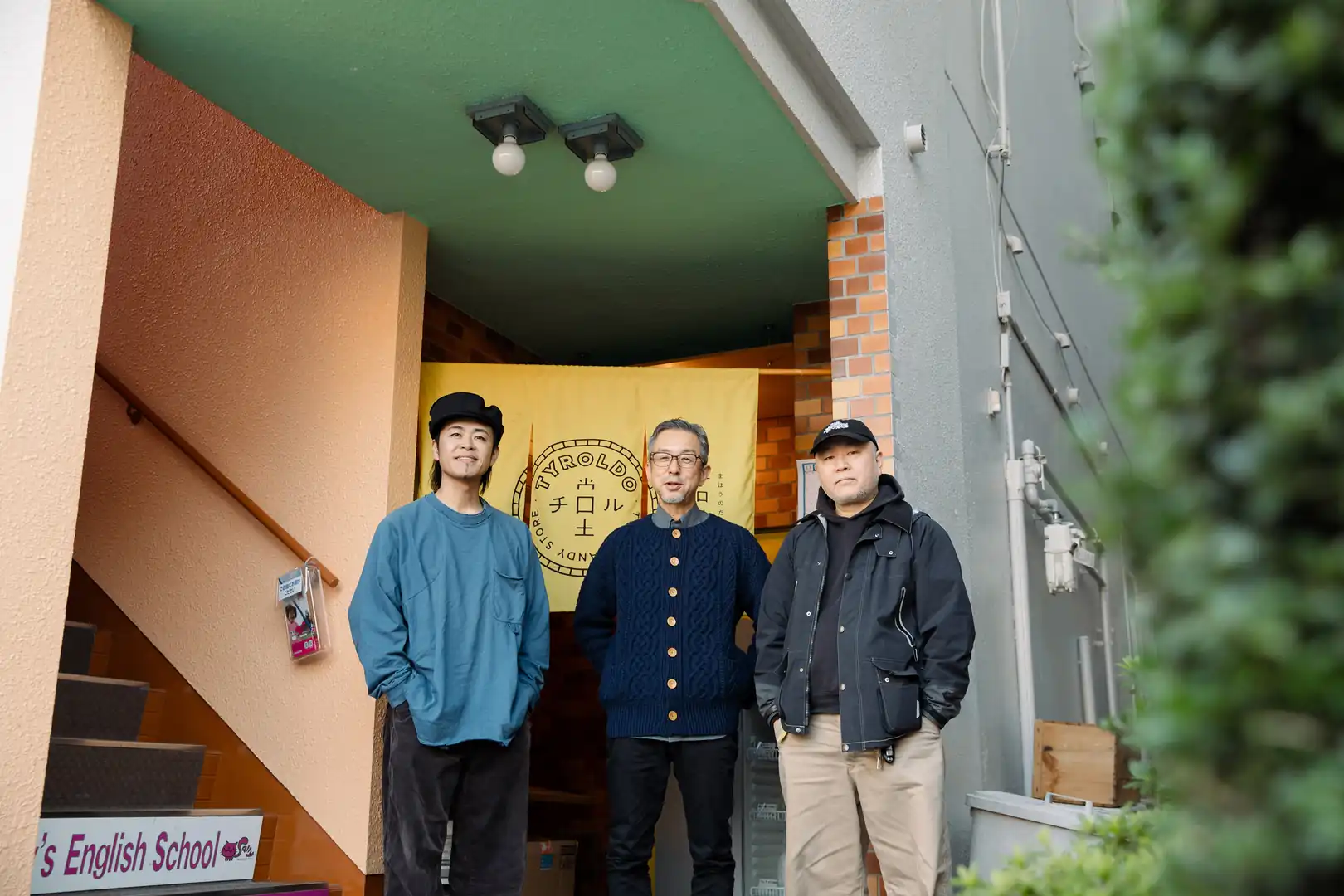
He visited two of the co-leaders, Takashi Yoshidada and Daisuke Sakamoto. Through dialogue with them, he examined the process whereby a new system took root in the community, altered people’s behavior, and changed the values of society.
Rethinking the Relationship between Design and Horizontal Expansion
Ota In recent years, GOOD DESIGN AWARD actively evaluates designs that take on challenges in response to signs of social change. I don't screen them, but I think many award-winning designs can be pioneers in their fields, from small items to large projects. I feel that they focus on serving as a beacon to encourage people to take on such challenges.
I wonder if the signs still continue. “A Small Step, Design Leaps” was the theme of Focused Issues in 2024. I wonder if it’s really widespread. I believe it is necessary to verify these points in the future.
Starting the verification for the first time, I will interview Tyrol-Do, which received the Grand Award in 2022.
Design starts with immediate relationships beyond just support -- Takashi Yoshidada x Laila Cassim
Yoshidada Thank you. The “design of a system,” such as Tyrol-Do, is a challenging example. That's why it wouldn't be unusual for it to disappear in a few years. Whether or not good initiatives continue is another matter. I think everyone wants to know how it works, including its strength.
Ota In public administrative fields, a system that looks good is often referred to as a “successful model.” People use the term “horizontal expansion” without hesitation, but it's not true that everything can be expanded horizontally.
In the meantime, I heard that you have actually expanded Tyrol-Do to several locations and will soon publish a book. (*Editorial note: The book “Magical Dagashiya Tyrol-Do no Mahou no Sho” (written by: Keiko Ishida, Daisuke Sakamoto, Takashi Yoshidada) to be released in January 2026). Tyrol-Do, who won the Grand Award, has been able to come to this far. People can learn something from you. I would love to know it.
The Grand Award Brought Credibility Three Years Ago. Why Are They Still in the Middle of Ideal?
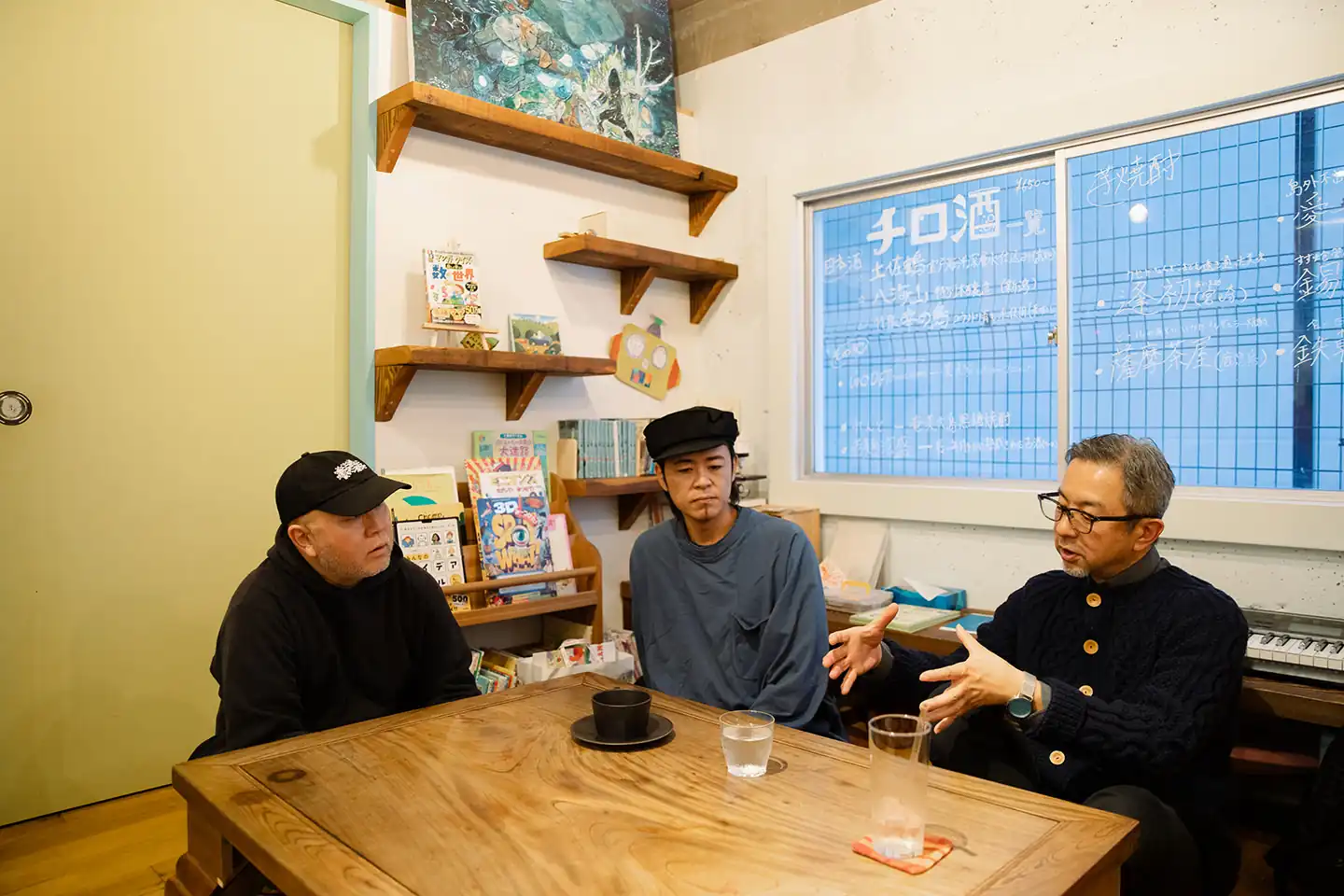
Yoshidada Winning the GOOD DESIGN GRAND AWARD had a huge impact. Winning the top recognition in Japan's biggest design award has certainly earned the trust of local people and government. I think the increased media exposure has helped parents to feel reassured that their children can go there. As a result, the number of children has also increased.
Sakamoto When Ikoma City conducted a survey on child-related measures a while ago, I heard many children mention Tyrol-Do as their place to stay. I was very happy about that.
I also think the Grand Award has had a significant impact. A wide variety of adults, not only local people but also players from various regions outside the prefecture, have come to drink at Tyrol Sakaba (bar).
Ota Has the operation become stable as more people come and go?
Yoshidada No, the management has been difficult. With the increased number of children, we need more donations.
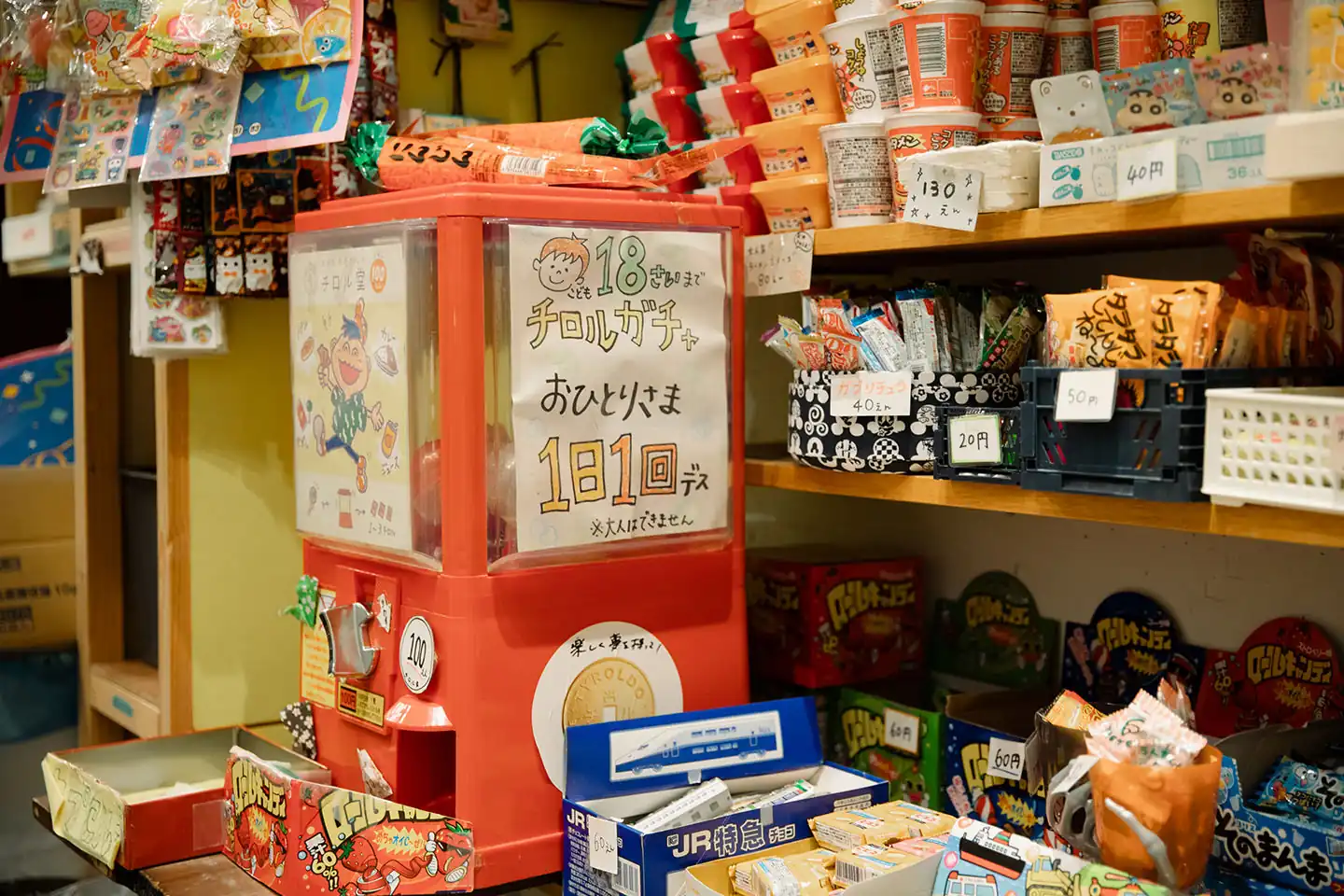
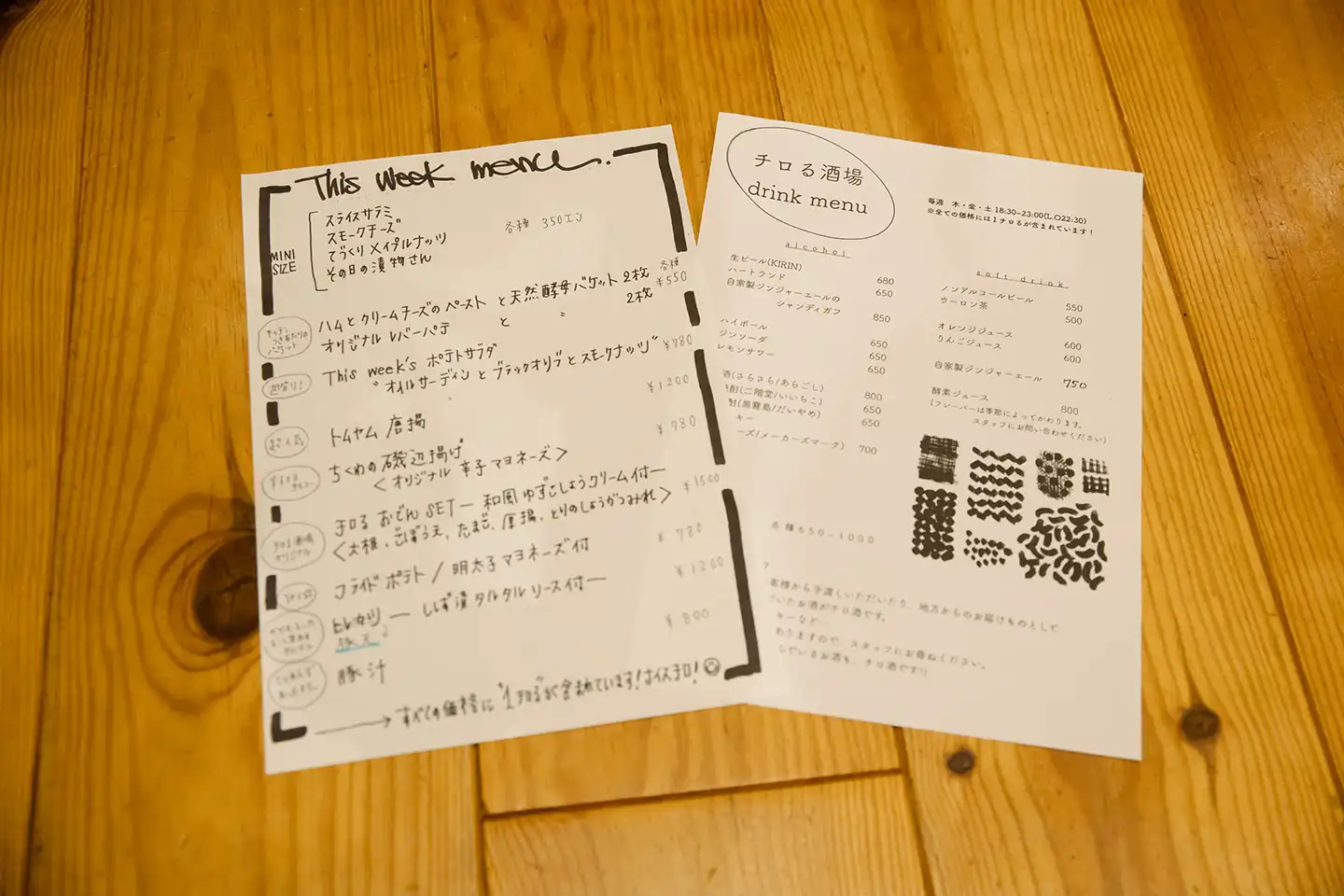
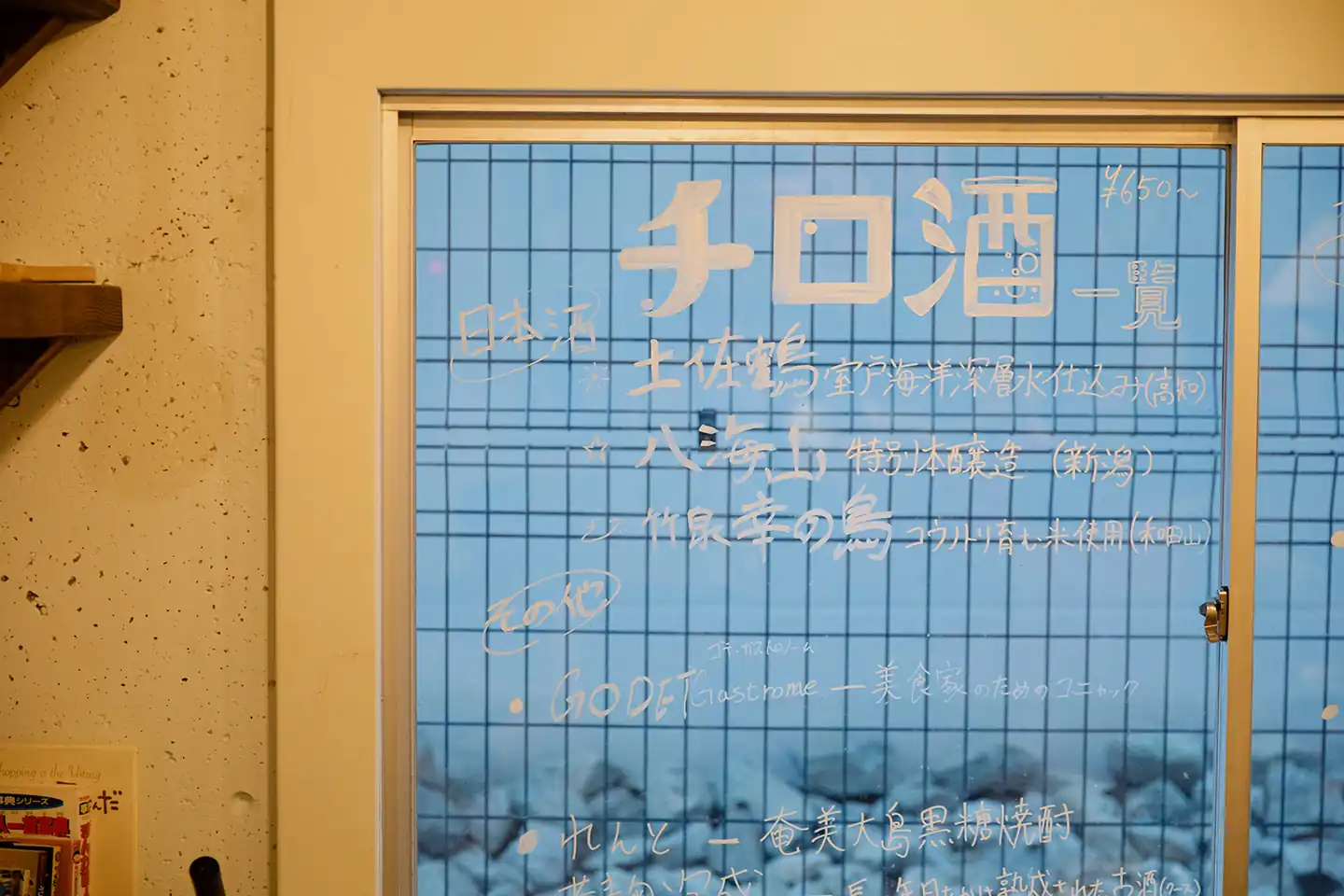
Of course, more people drink alcohol at Tyrol-Do for children. I think it's great that they choose a bar where a donation is added to each snack or beer. Some people say, “Isn’t it too cheap? Is a donation for kids added?”
But as a practical matter, if you offer too high a price, customers won't come. I think it would be ideal if people could buy 600-yen beer at 1,000 yen including a donation, but it’s still a dream.
Ota There are more and more cafeterias for children all over Japan. It is said that there are already more than 10,000 cafeterias. However, there are not many that can be operated only by donations. In fact, the owners of the cafeterias pay for shortfalls.
Yoshidada Most of them are like that. We have expanded into some areas, but suffered financially. I realized once again that everyone was enthusiastic but it took more than enthusiasm to manage it.
Our co-leader, Ms. Keiko Ishida, runs a welfare office. Because we run it as a department of the office, we can continue it. Therefore, we are not successful yet. Rather, we feel that we are viewed positively with the expectation that we will be successful. However, receiving the GOOD DESIGN GRAND AWARD gave me a lot of confidence that this is the direction that society should take.
Sakamoto I was glad to be encouraged to take this road. I also felt a great sense of hope that this could be called design.
Tyrol-Do is a “Device” that Changes the Consciousness of Adults.
Ota You said “it’s still a dream,” but how much effort have you made to convey the social value of Tyrol-Do in an easy-to-understand way to the local people?
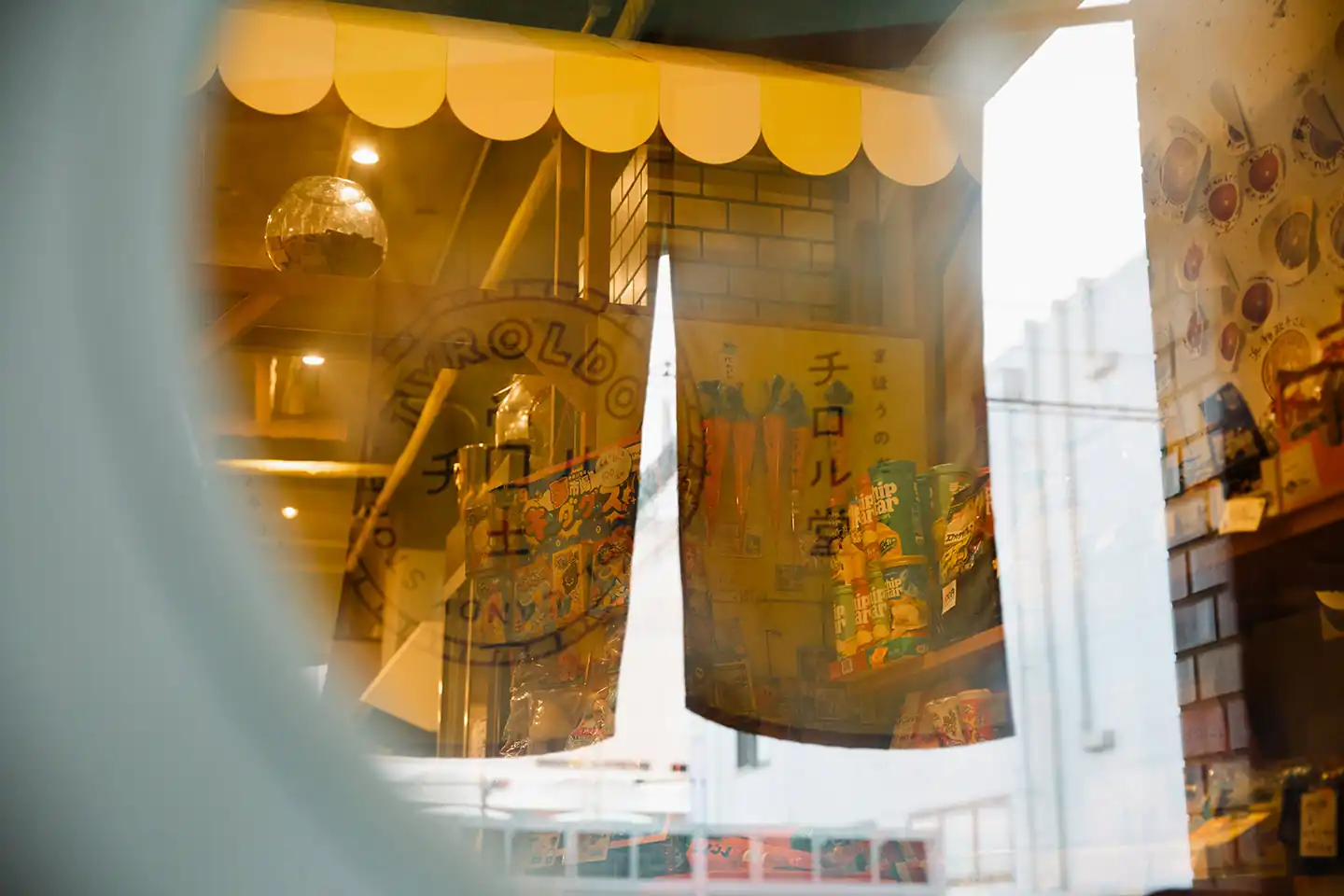
Yoshidada Recently, we have just started to focus on that. At Tyrol-Do, the social aspect was shown as little as possible. We’ve put a lot of emphasis on the attitude “this is a candy store” and “anyone can come regardless of whether they're in need or not.” That's why we've intentionally avoided using words like Kodomo Shokudo (cafeteria for children) too often.
I have operated for a few years. I feel that the word has become established. No one thinks that Tyrol-Do is a place where people in need come. Now that I feel at ease with that part, I think it's better to convey the meaning of our activities more often and clearly. This is an opinion from a staff member who runs the store, not co-leaders. They also have started thinking about what they can do to encourage people to donate more.
Ota But the years of “not calling it Kodomo Shokudo” were a necessary process. With the process accumulated, we now have a situation where people come without prejudice.
Yoshidada That’s right. At the same time, during the process, the differences from Kodomo Shokudo became clear. Of course, Kodomo Shokudo is also an important activity. But our goal is not to feed children in need. Indeed, we created a system whereby children could eat curry anytime at a price of less than 100 yen. But other things than curry are needed for children to grow properly. A different approach is needed to respond to these support needs.
Our goal is to change the consciousness of adults. Through small donations on a daily basis, adults gradually develop a sense that local adults raise local children. This is really a symbiotic society, isn’t it? I see Tyrol-Do as a device to spread this viewpoint without being preachy.
Ota It’s very interesting. From the outside, it looks like a place where local adults help children. However, the adults change themselves because of Tyrol-Do.
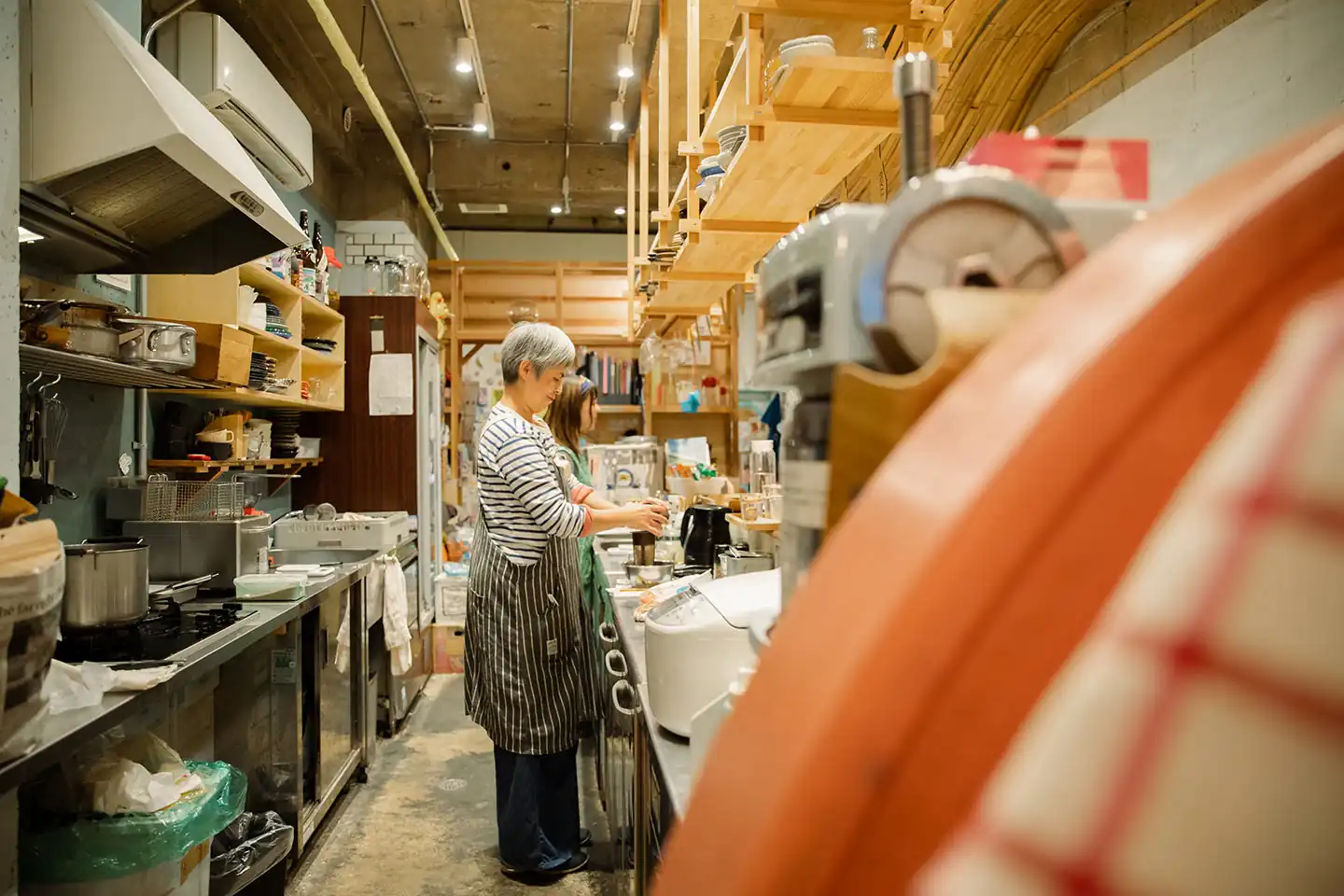
Yoshidada I think there is a clear change happening. People who eat and drink here can see donated bills piled up in front of themselves. They understand that a drink at Tyrol-Do helps children eat curry. They come to visit regularly. One day someone came for a drink and left tens of thousands of yen, saying that his child always came here.
Also, a person running a business in Ikoma says that this is like a tax, and holds drinking parties with fellow business owners here every month. A farmer nearby grows vegetables and delivers them to us, saying that this ridge is for Tyrol-Do. There are so many such episodes.
Ota It's not just a “familiar store.” Daily life and business activities overlap with Tyrol-Do.
Yoshidada In addition, such like-minded people gather and become acquaintances soon. There are many miraculous moments in which perfect strangers talk seriously about Ikoma. I feel that this has become a place to change people's consciousness.
Adult Behavior of “Sharing the Loss”
Ota At first, did you not have an idea of a device to change adults?
Yoshidada It became clear in the process. I think our co-leader Ms. Ishida had a sense from the beginning. In her long experience of engaging in a welfare business for persons with disabilities, she had doubts about a society in which the division of roles is clearly defined as “welfare is done by welfare offices” and “education is done at school.” She thought we all should take on the roles. Through the management of Tyrol-Do, these thoughts have been translated into language and shared with us.
It's a little bit against the social trend of trying to keep everything orderly and efficient. I think there is a big hint here for future society. Mr. Sakamoto often says, “Tyrol-Do is a system where everyone shares the loss.” I think it is very important to act in such a contradictory way.
Ota We share the loss. This is true about the episodes such as the drinking parties and farmer’s vegetables.
Sakamoto Tyrol-Do can be managed by the so-called yasegaman (fake stoicism) of adults (laughs). I think that's what adults are supposed to do. The idea is that “it's good if only children get benefits.” Adults lose money a little at a time.
And we never want to make our behavior look like “we’re doing good things so everyone can eat.” After all, we want children to think that they eat with the Tyrol bill they won. That's why I want to keep telling people that this is Magical Dagashiya where magically enhanced adults gather.
Yoshidada Choosing loss is not logical, so it's hard to understand. You usually think that the less you lose, the happier you will be. However, affluence actually lies in what is left out of economic rationality.
We don't receive any money from this activity, but we don't feel we lose money at all. In fact, we’re getting far more benefits. Of course, money is one of the sources of happiness, but in other words, it is only one thing.
Ota Many things are done at home that are not economically rational. But when we go out, for some reason, we think about profit and loss, and we can't do the same.
Yoshidada I think it is a big problem that people can individually understand, but not in society. That's because people behave on business norms. Tyrol-Do is an activity to introduce into society a kind of living norm.
Ota Norms are very important. The question of how to interweave decisions other than profit and loss with a certain kind of contradiction is a big issue in business.
Yoshidada Businesses know that they can no longer be content just by pursuing profit. So, while they are doing activities to increase sales and profits as much as possible, they are also trying to find ways to achieve a different affluence. That's interesting now.
But the more I work at Tyrol-Do, the more I realize that money is very important to everyone. Money is second only to life. Once you hold it, you will never let it go (laughs). I feel keenly that it is the last stronghold.
Money is a great mechanism, but we've given it too much authority. I think the key is how to mitigate this mistake and pass it on to the next generation.
Small Daily Actions Change the OS of Society
Ota The theme of Focused Issues I'm thinking about is “Design to Change the OS of Society.” This year's award winning objects include such cases as Chiyoda City Park Development Plan to meet different needs for each park, and Farm-based Community Educational Design to turn milk taste differences into value in Hiroshima. These are examples of designs to change conventional values in society.
Now, many things are causing institutional fatigue. We should ask new questions and explore new and different approaches. This is the interesting point of design.
As I listen to you, I feel that what Tyrol-Do is doing is design to promote such a paradigm shift in society. Changes actually occur in the form of living, such as how to spend time and money and how to interact with people. These changes lead to changes in consciousness, such as sharing loss. Even a big decision to change the life stage is similar to small everyday actions and thoughts.
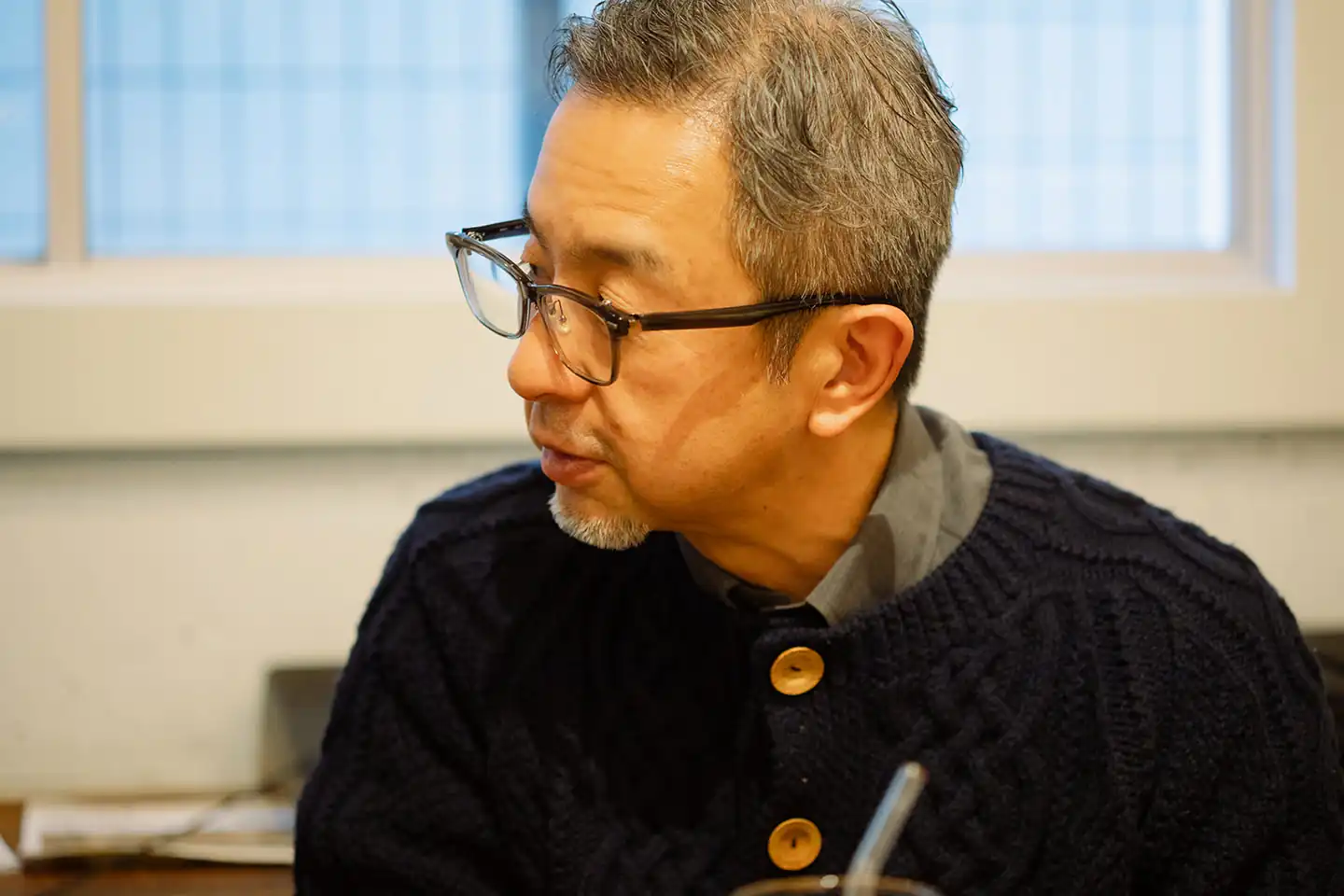
Yoshidada I think that changing the OS of society is exactly what we try to do, including Tyrol-Do. Someone chooses something because they like it. Their behavior is contagious. I also think the behavioral contagion creates a new culture.
But many adults have come to believe that one person's small actions have no power to change society. I think it is the shortest way to achieve a paradigm shift. I always think about ways to get people’s understanding.
Ota Is the purpose of publishing a book to spread such behavior change?
Yoshidada From the beginning, so many people agreed with the efforts of Tyrol-Do and said that they wanted to do this in their community. We were still struggling with it ourselves. We thought it would be a mess if we extended it, so we hesitated to expand at first. But because it was hard to keep saying no, we thought about setting up a branch and gave a lecture on how to do.
Through that process, we learned that the idea of “horizontal expansion” didn't work. It depends very much on the locality. Some Tyrol-Do branches have changed, which is rather good.
In other words, if you want to spread changes happening at Tyrol-Do, it's important to share the method as ambiguously as possible. So I chose the form of a book that could indirectly deliver information. The content was more like a collection of tips than a do-it-this-way manual.
Ota Intuitively, I feel that it is easier to understand if I write in detail, but based on my past practice, I know this is not the case. It's interesting. Only the basics are written so that each person can think about how to develop it in their community.
Sakamoto If they really want this to take root, they have to learn by trial and error themselves first. Even if they operate the Tyrol system, they may fail. What is more important is the manner in which they operate.
That's why I wrote it in the book, not a rule of “do this” but a manner of “this seems better.” Of course, turning it into a book is an act of putting what we have thought into words. We thought a lot about the balance between what to say and what not to say.
Yoshidada The book is divided into two volumes: one volume (thought) is compiled mainly by Mr. Sakamoto, and the other volume (practice) mainly by Ms. Ishida. In the volume on thought, we wrote about our backgrounds to explain why we thought such way. Based on this, in the volume on practice, we wrote about what we do.
Sakamoto We all have our own paths we’ve taken, and have thought about various things. What we have thought has come to fruition as Tyrol-Do. In other words, there is something that has already begun within each reader. I want them to realize that this is their story.
Show the World the Vision of a Society We Build Ourselves
Ota It may be better to start by thinking that you want to know how to make that design because of the award. But if you really want to do it, you have to do it by yourself. It will be nice to have a cycle where such awareness occurs.
However, the Grand Award may look like an answer. Especially for adults like us who have been educated to “find the right answer,” it may be confusing at first when you are told not to do that.
Yoshidada As I have been involved in education for a long time, I feel that the root of many problems lies in the fact that we have not been taught to “create by ourselves.” People assume that there is an established society from the beginning.
I want to teach children that they are there to build a society. I want adults to regain the sense that they are building a society.
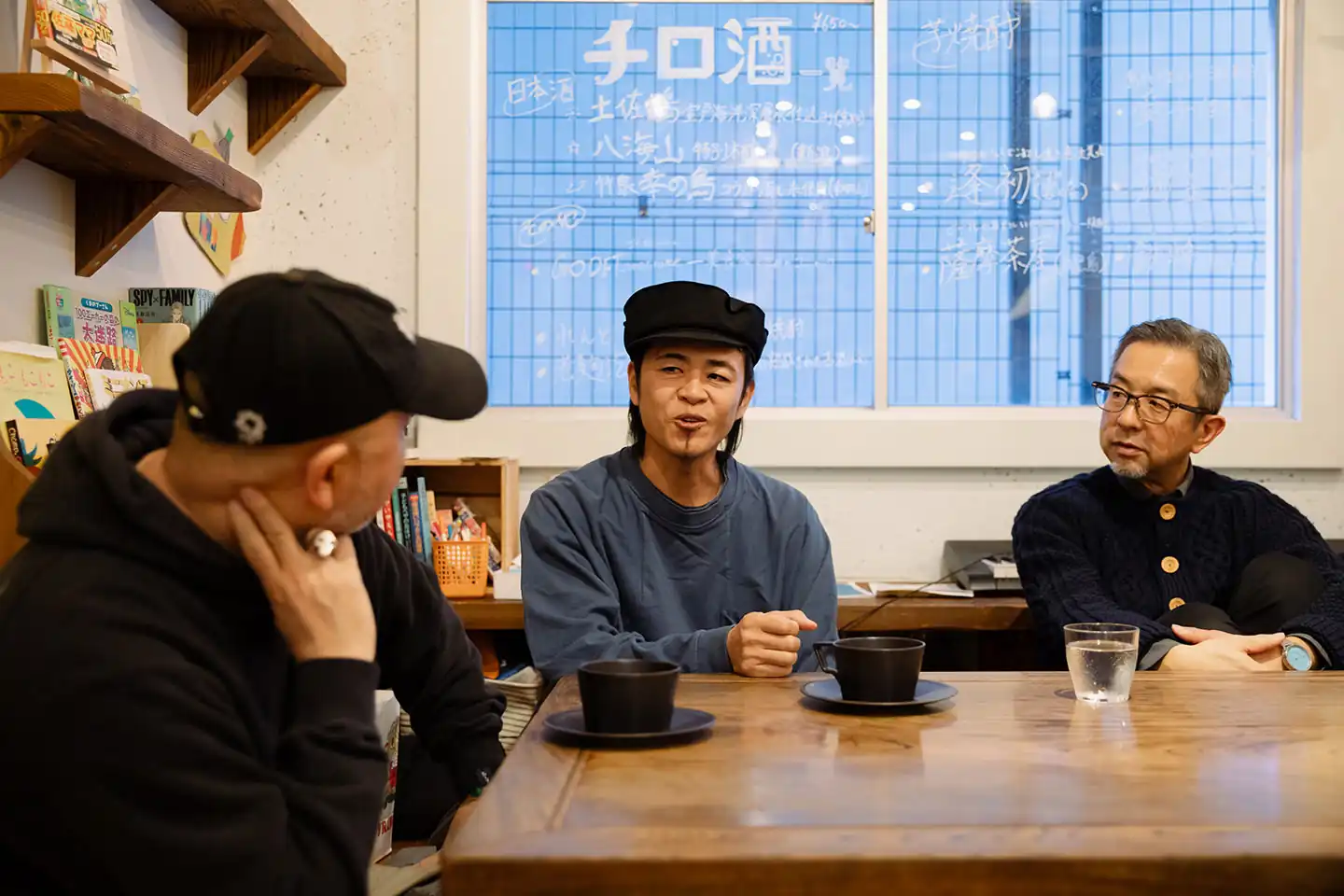
Ota At atelier e.f.t., an art school run by Mr. Yoshidada, he plans to start a new educational project in Tenri City. He plans to renovate the children's hall and aims to make it a place where children and adults can learn each other. Can I interpret this as an attempt to expand the “adult consciousness changes” that are taking place at Tyrol-Do in a different way?
Yoshidada I want to make a place like a big school, including what I have done for more than 20 years at atelier e.f.t., the philosophy for Tyrol-Do, and the practice of “Tokyo Coffee,” a program for supporting non-attending students that received the 2025 GOOD DESIGN AWARD. There will be an art school project. However, because not only children but also adults use it, I hope there will be dialogue meetings and movie watching every day. First of all, I would like to change the consciousness of adults. By working together with the government to implement this, I hope that public education will change as a result.
Sakamoto I think there are many measures to patch up the problems that are happening on the child side. In the end, however, it’s a momentary improvement, not a fundamental solution, unless behavior changes occur on the adult side. In that sense, it is a challenge aimed at “changing the OS,” as Mr. Ota mentioned earlier.
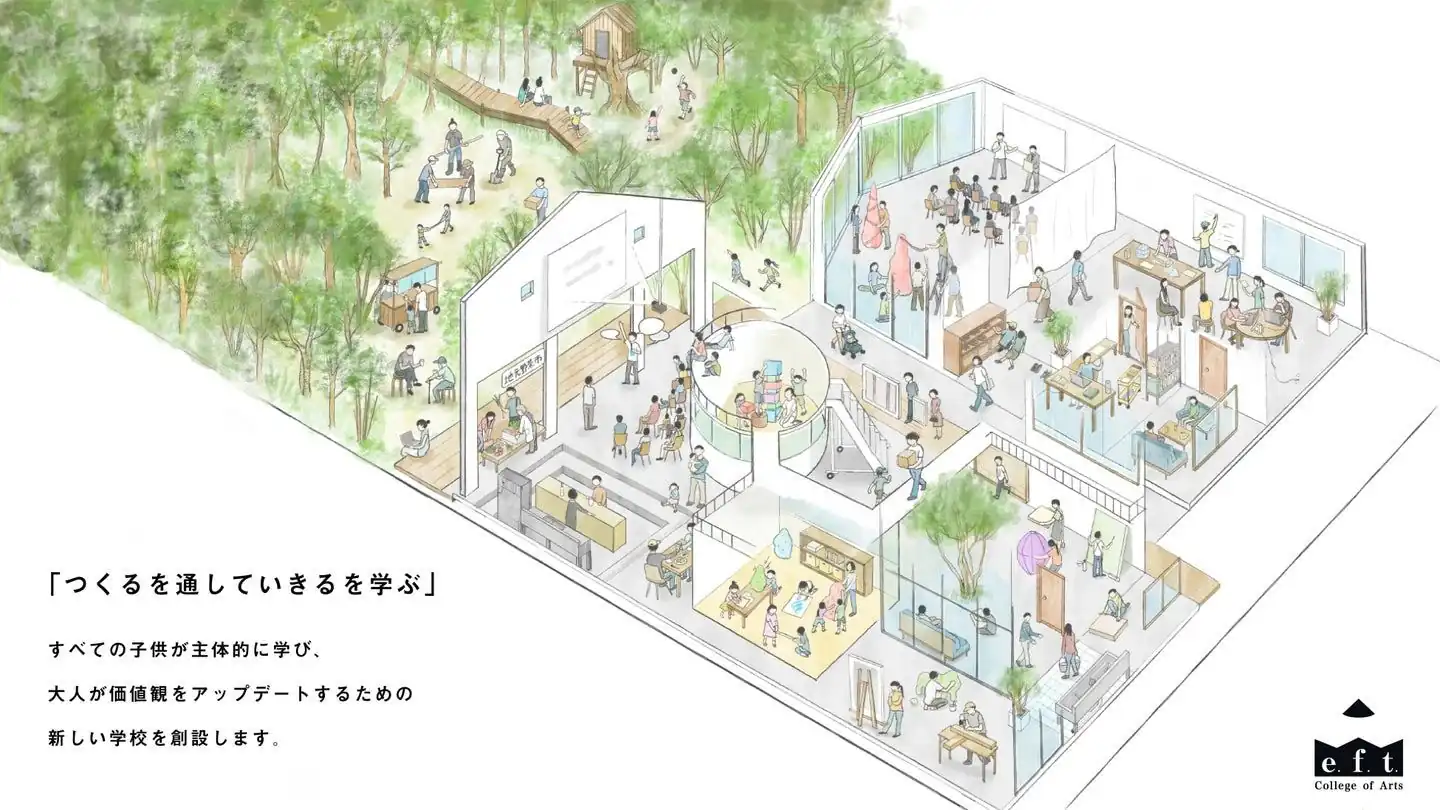
Yoshidada In my view, today's society is in a state where it is difficult to live as a result of organizing everything neatly and organizing it in order to make it easier for everyone to live. We have gained a lot in the process. At the same time we have also lost a lot. I want to pick up on what we have lost through such activity.
Ota I think your books and a project in Tenri will be an opportunity for many people to think about “what they would do" The GOOD DESIGN AWARD is not an answer, but a seed for challenging. How will this seed grow with various people? We will continue to examine it and find out how it will grow.
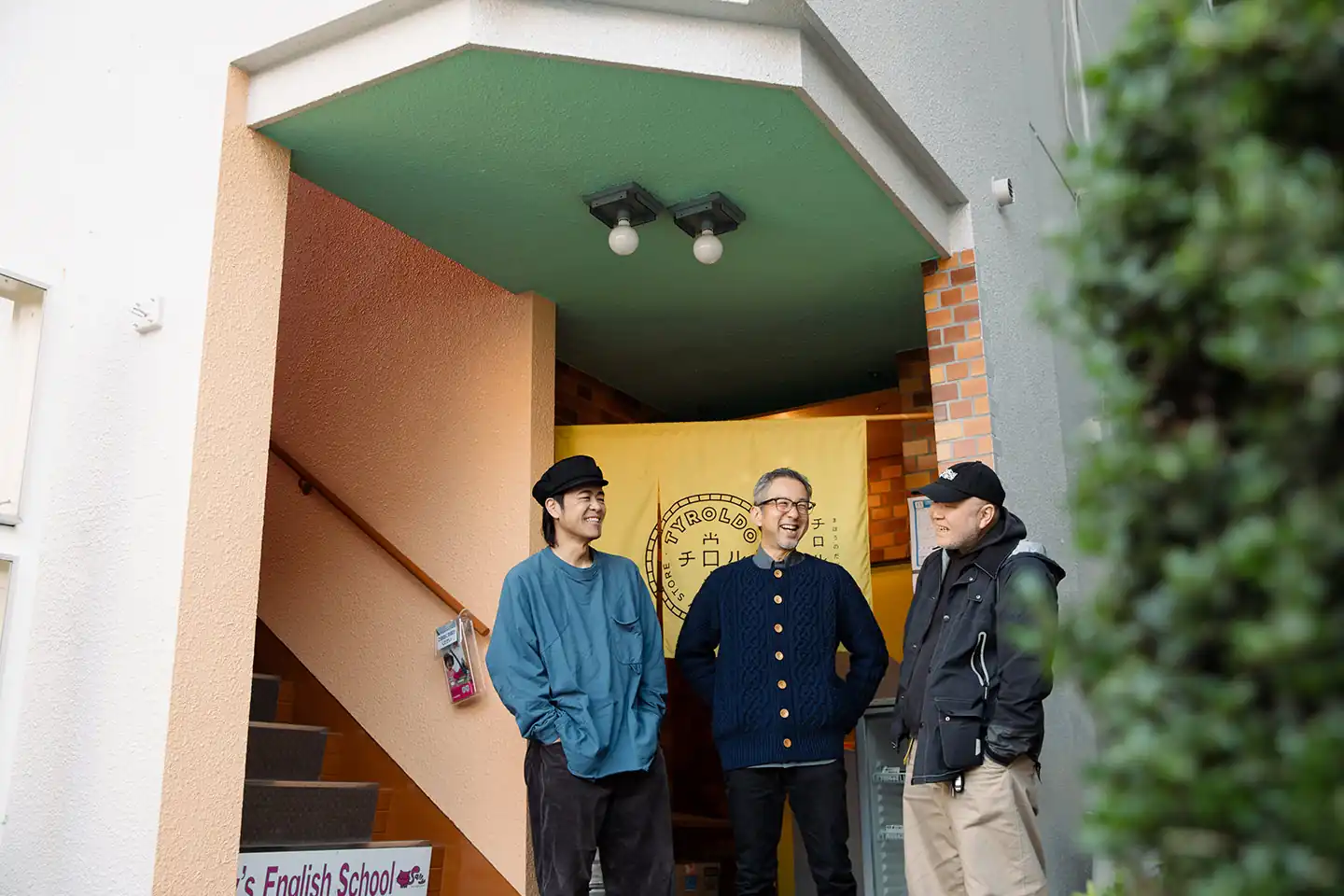
Takashi Yoshidada
Educator, designer, musician.
Representative of “atelier e.f.t. (art school)” Representative Director of the General Incorporated Association “Michi-wo-Tsukuru.” Co-leader of Magical Dagashiya Tyrol-Do He operates Tokyo Coffee, which addresses educational and social issues, at approximately 400 locations nationwide. He has given many lectures, such as at the Japan PTA National Conference. Vocalist of band “DOBERMAN.” He wrote a book titled “Ikitakunai mo warukunai (Not wanting to go is not bad).”
Daisuke Sakamoto
Creative Director
He moved to Higashiyoshino-mura, Nara, in 2006. In 2015, he planned and designed share and co-working facilities “OFFICE CAMP HIGASHIYOSHINO,” a project with the national, prefectural, and municipal governments. He is also entrusted with the operation. After opening, he established a design farm, OFFICE CAMP, in a mountain village with friends he met at the facilities. “Magical Dagashiya Tyrol-Do” won the 2022 GOOD DESIGN GRAND AWARD. In 2023, he and his friends opened “LIVE DESIGN School,” a place to learn about design and the future of the region.
Naoki Ota
Co-creation Partner | New Stories Ltd. CEO
Until 2014, he was a management member of Boston Consulting, overseeing the Technology Group in Asia. From 2015 to 17, he was an assistant to the Minister of Internal Affairs and Communications, working on digital strategy and regional development. In 2018, he launched New Stories Ltd. to create future value leveraging his expertise and network. He helps to create communities that leverage technology.
Masashi Sasaki
Editor/Writer
He worked for a childcare and early childhood education publisher for 10 years, and moved to Shiga in 2017. He works as an editor in the fields of education and design with a focus on child welfare.
Misa Shinshi
Photographer
Born in Kyoto in 1998. After graduating from Kyoto City University of Arts, she writes as an artist and performs client work as a freelance photographer.