What is design? Let’s take a peek at the world spreading through a small Hatena, or question.
Let’s take a pause and look at all the things, people, and events in our daily lives and society...
It is a laboratory to know, feel, and approach design through a simple question.

This time’s theme
GOOD DESIGN as seen from overseas
Spreading GOOD DESIGN to Chinese-speaking regions: Sanma, a Japanese culture magazine beloved in Taiwan
2026.10.9
For 12 years, Sanma has been communicating Japanese culture from a Taiwanese perspective. Each issue delves into a single topic, such as ramen, public baths, folk art, or music. The relationship with the GOOD DESIGN AWARD is also a deep one, and the scope of the initiative has expanded from features taking up an entire edition to events held in Taiwan and the launch of the podcast “MAMONAKU Design Arrival.” How has Sanma communicated design in Japan to Taiwan, and what kinds of exchange has it fostered? Kei, who is from Taiwan and a member of the editorial team for the “.g Good Design Journal,” spoke to Eva Chen, the editor-in-chief of Sanma.
12 years of growth, inspired by Japanese magazines
In Taiwan, there is a magazine that continues to feature Japanese culture alone. Its name is “Sanma.” Since its launch in 2014, the magazine has covered topics about which interest seems set to grow in Taiwan, including ramen, public baths, folk art, music, and design, while keeping an eye on changes in Taiwanese society and among its readers. There are 52 issues at the time of writing, and yet the same feature theme has never yet been repeated.
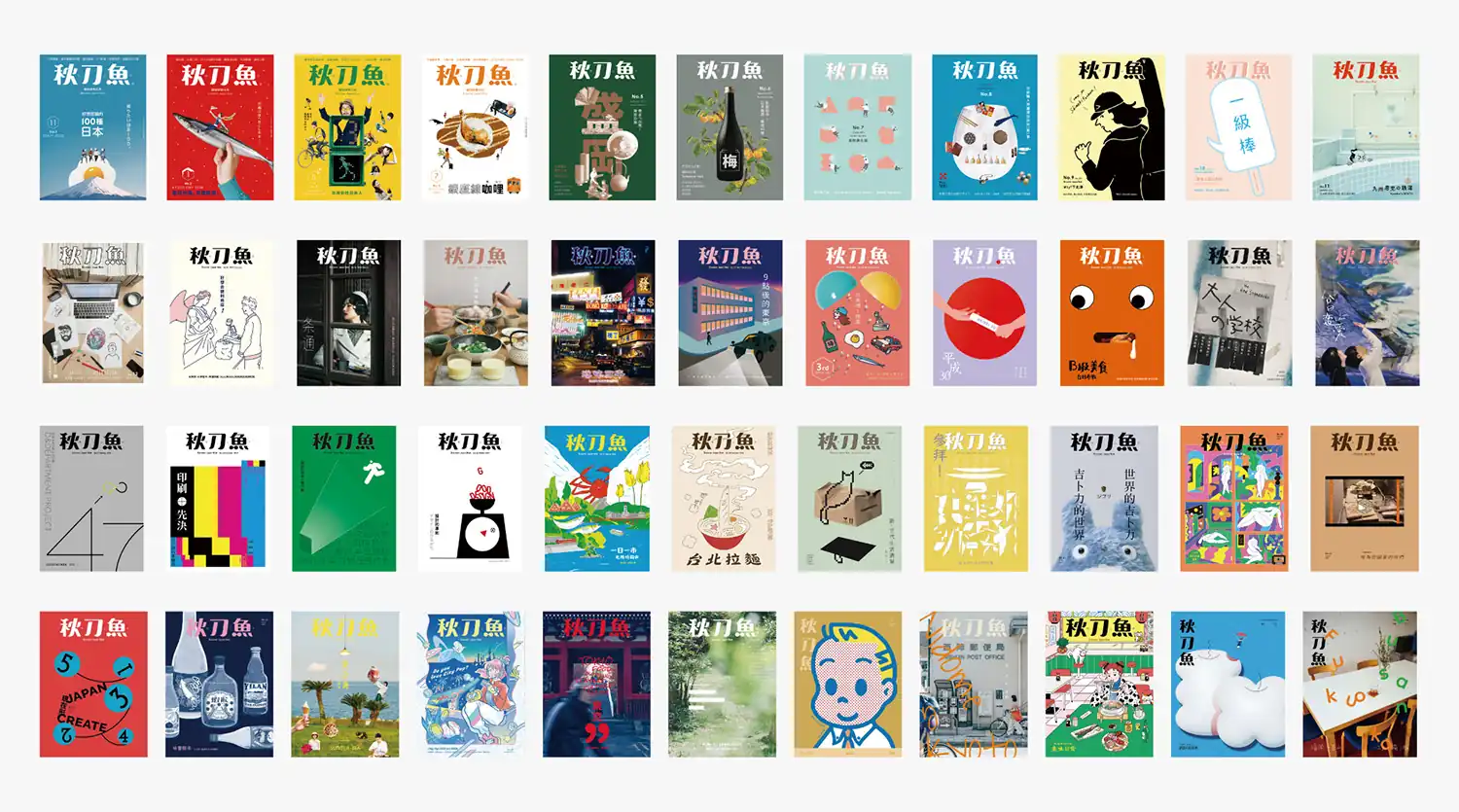
When the magazine was first published, small magazines unaffiliated with major publishing companies were appearing one after another in Taiwan, where a movement called the “Counterattack by Small Magazines” was taking place. “Sanma” is also a volume that was started by a team of three people who strongly wanted to publish a magazine. While learning about how to create a magazine, they were greatly inspired by Japanese magazines in terms of aspects such as their structure and the ways in which they approached features.
“It was Japan that truly valued ‘the medium that is the magazine.’ Japan believes in magazines as a vessel for the proper discussion of a single topic. That's why we came to think that it would be meaningful to cover Japanese culture in a magazine.”
What they sensed from Japanese magazines was a culture of digging deep into and thinking exhaustively about a single topic. Not only collecting information broadly, but also carrying out research into a restricted domain as far as it could be taken: they were drawn to the fact that this “otaku-like” spirit of inquiry took shape as a magazine volume.
When they visited bookstores in Japan before the magazine was launched, they were apparently overwhelmed by the depth of this culture. Lifestyle magazines, which are confined to a corner in Taiwan, took up a whole row in Japan. Seeing how the topics were minutely subdivided, and a magazine had been set up for each one, left a strong impression on them.
The editing of Sanma is alive with inspiration from this Japanese magazine culture.
Creating dialogue between Taiwan and Japan through a magazine
For Japanese readers, the first thing to make an impression is the name of the magazine, “Sanma.” The name is a device to create conversation between Taiwan and Japan.
“The Chinese characters used in the title of the magazine, 秋刀魚 [meaning saury], are shared by Taiwan and Japan. In addition, they are pronounced “sanma” in Japanese, and the pronunciation is very similar in Taiwanese. When we talk about this, Japanese people are always surprised.”
First, the team attracts interest with the name, and shares the surprise. From there, the conversation develops to the overlapping histories of the two regions. The title “Sanma” is itself a form of communication design, creating opportunities for conversation between different cultures.
This attitude also runs through the content development.
“We don't aim to replicate magazines made in Japan in Taiwan. We gather material about Japanese culture and adapt it to the society in which Taiwanese readers live and their sensibilities. When the magazine returns to Japan, it will allow Japanese people to reconsider their own culture. I believe that the value of Sanma lies in the cross-cultural dialogues that emerge from this back and forth.”
This to-and-fro appeared in concrete form in Issue 7, “Beauty Awareness.” It was an issue that considered “beauty” in Japan from a Taiwanese perspective, and the editorial department chose a vivid color for the cover, somewhere between blue and green.
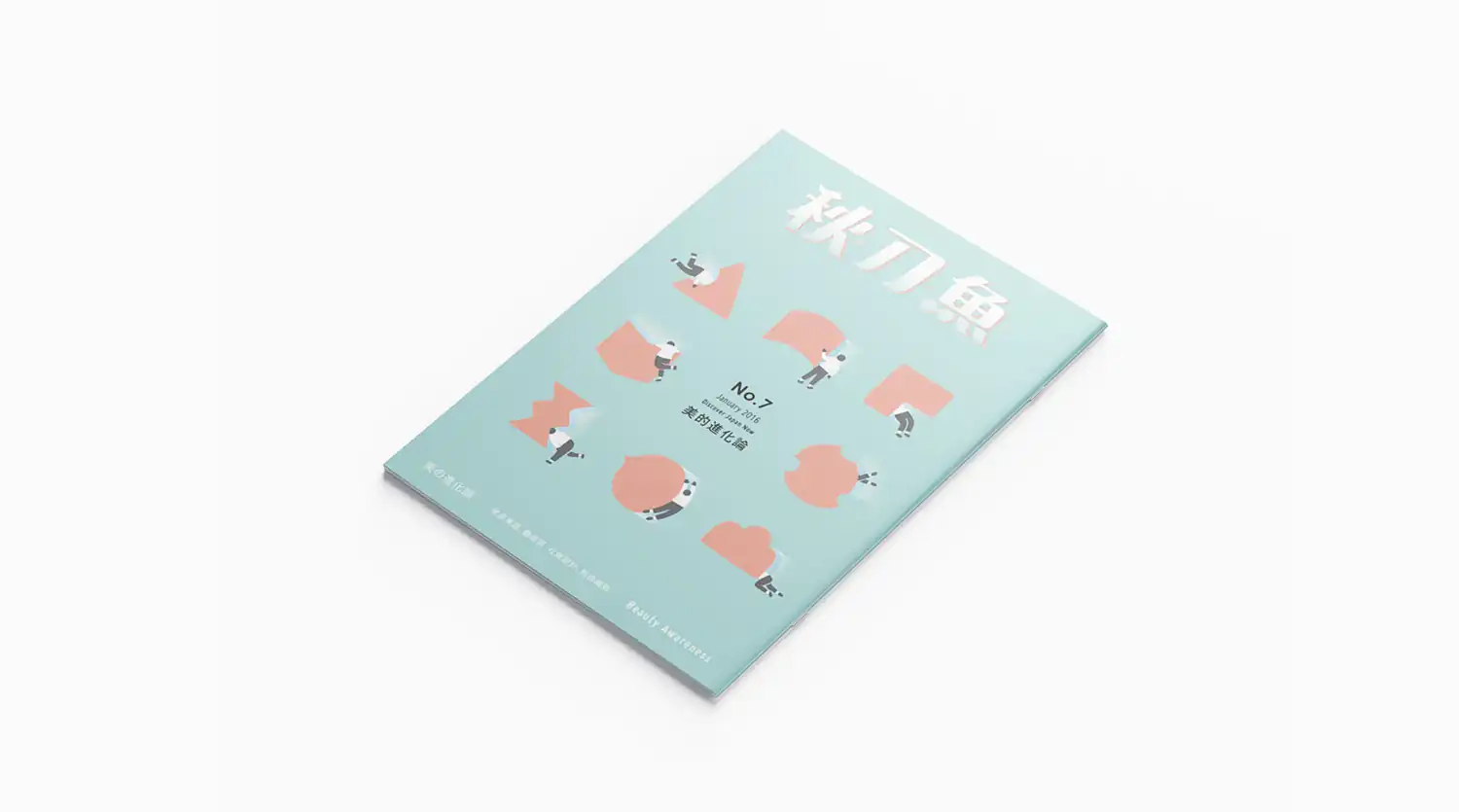
Japanese readers who saw the cover apparently reacted to it, saying, “If we talk about beauty in Japan, we choose colors like white, gray, or black. This green color was born from the Taiwanese perspective.” The team collects information on Japanese culture and mulls it over in Taiwan before expressing it. When the magazine returned to Japan, Japanese readers also became aware of their unconscious image of “beauty.”
Design is a common language that connects readers and societies
When creating features for Sanma, there is a stance of catching the signs of readers' interest just before it grows large. Rather than something that is already widely known in Taiwan, they choose a topic about which people are starting to think that they would like to know more. The reason why they featured jazz in Issue 50 was because the number of people performing in Taiwan and venues had been increasing slowly but steadily over the past few years, and a uniquely Taiwanese way of understanding jazz was becoming visible.
One of the themes that Sanma has covered repeatedly from this editorial perspective is design. There are many issues dealing with design, such as Issue 23, “Proposals to regions in Japan through design! D & DEPARTMENT;” Issue 24, “Print as the priority!!!;” Issue 25, “When design becomes action;” Issue 26, “Design template;” and Issue 34, “Japan create ‘present tense.’”
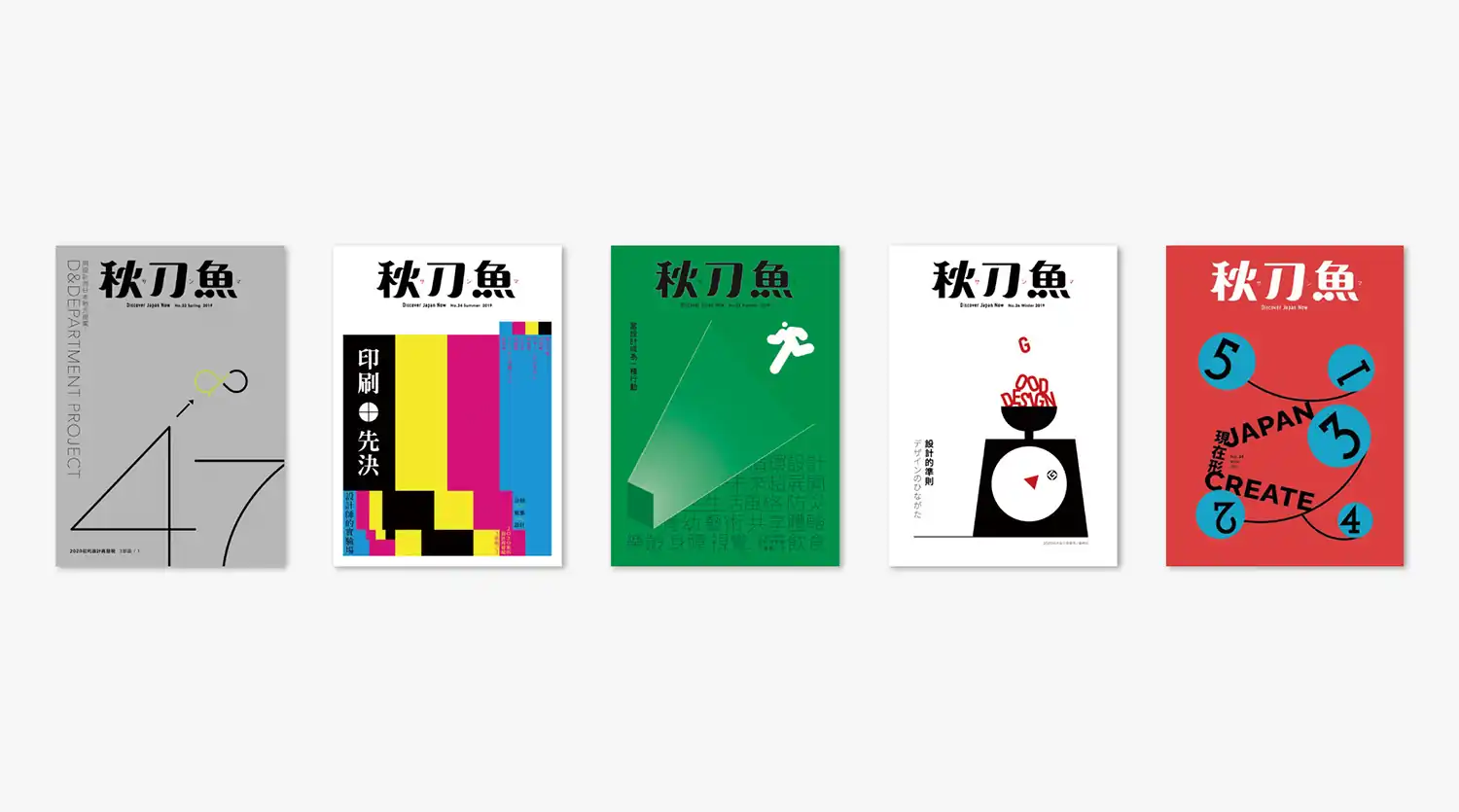
“Most readers of Sanma have a certain level of interest in and understanding of design. Each of their interests, such as a liking for food, shrines, or sake, are piled on top of this foundation. Design is a common language among readers.”
“Design” here does not just refer to the art of looking good. It is also a way to reframe eating, traveling, or living in a local community in a way that will reach someone. Even if the topic being covered changes, you can delve into the thinking behind it and the relationship to society from the perspective of design. This is why it becomes a common language that connects readers with differing interests.
Around 2014 to 2015, there was a tendency in Taiwan to study design in Japan as a “simple and refined look.” On the other hand, in Japan, activities addressing issues such as regional revitalization, the aging of the population, and inconveniences in daily life were already understood as design:
not only the finished form of designs, but how they are made, and whose daily lives they will change and how. Sanma has been communicating the relationships between design, lifestyle, and society, capturing the signs of the shift towards interest in this context. It came into contact with the GOOD DESIGN AWARD as an extension of this.
Communicating the value of the GOOD DESIGN AWARD, which cannot be seen from the results alone
The relationship between Sanma and the GOOD DESIGN AWARD began in earnest in 2019. The Good Design Award was featured throughout Issue 26 of the magazine, “Design template.” The editorial team visited the screening venue and interviewed the judges and winners.
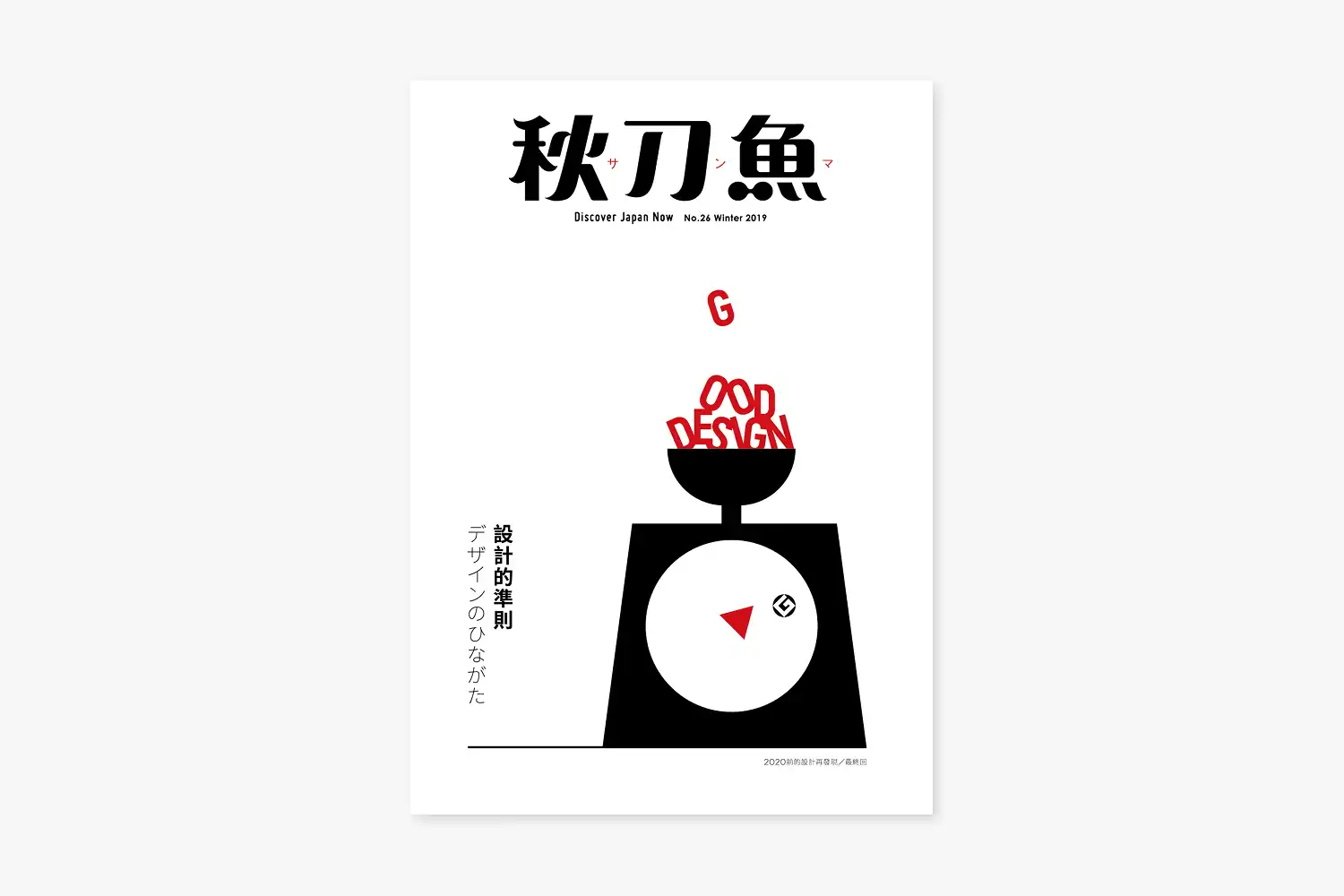
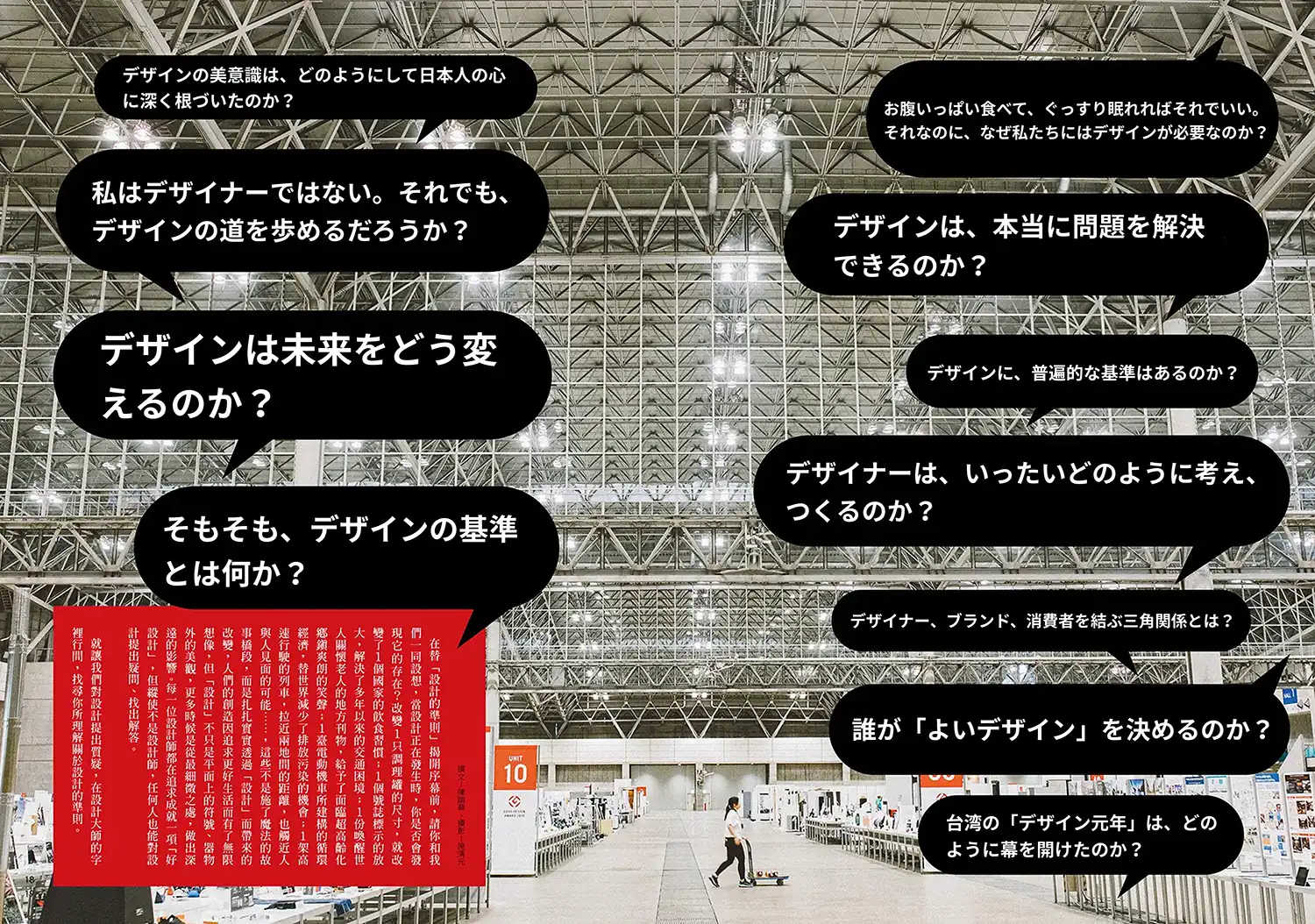
What was envisioned during the initial discussion was a short article talking about the results of the award. Several media outlets in Taiwan, too, have reported on the results of the GOOD DESIGN AWARD. As discussions continued, it developed into a project that would not only introduce the award winning objects, but also explain the background behind the awards and what kind of positive circle they are trying to create in society.
What particularly impressed the editors at the screening venue was the discussions among the judges about each object.
“In Taiwan, stories about awards sometimes end with ‘whether or not they won.’ But I learned that the process of choosing is the most valuable part: putting your own work into words, applying, being questioned by people with different expertise, and rethinking things.”
Applying also means reviewing one’s own work from the perspectives of others. It is precisely because there are fierce debates that the objects chosen become meaningful. The Sanma feature conveyed the award to Taiwan not only as proof of achievement but also as an opportunity to rethink design.
From a magazine to a forum where voices fly back and forth
After finishing the feature issue, the Sanma team wanted to continue communicating the GOOD DESIGN AWARD, which is updated every year, and design in Japan to Taiwan. Not simply communicating the award winning objects, but also going deeper to convey the ideas behind them and the words of the creators themselves: the “MAMONAKU Design Arrival” podcast began as a way to do this.
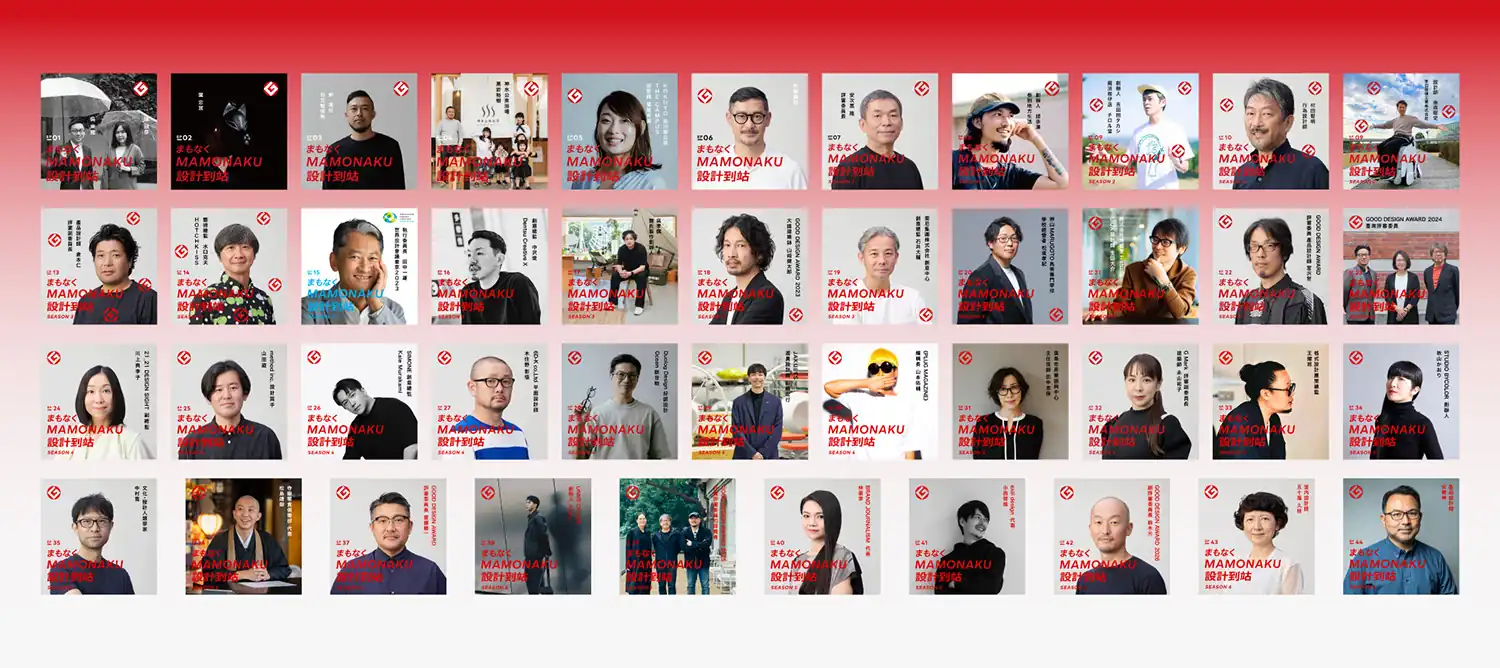
Eva, the editor-in-chief of Sanma, and Wu Dung Lung of Tomic Design co-host it, welcoming GOOD DESIGN AWARD judges, winners, designers, and researchers as guests. The show is conceived of as a train doing the rounds of Taiwanese and Japanese design. They think with a variety of guests about how good design can change society, aiming for the GOOD DESIGN AWARD as the final stop. The words of the Japanese guests are delivered in Chinese through an interpreter, so that listeners who do not understand Japanese can follow the dialogue.
“In Taiwan, when we come into contact with design in Japan, we often see the finished products and edited information. With audio, we can deliver the long dialogue about what the person thought until the design reached completion, in its original form, including the time it took them to choose their words.”
The way of speaking can reveal the connection between the work and the person who made it. Those who create detailed designs respond with precision, choosing each word. Even the stories of those who create works rich in imaginative power are tinged with free thinking. After the recording is over, Eva and her colleagues are sometimes convinced that “This person is why that design was born.”
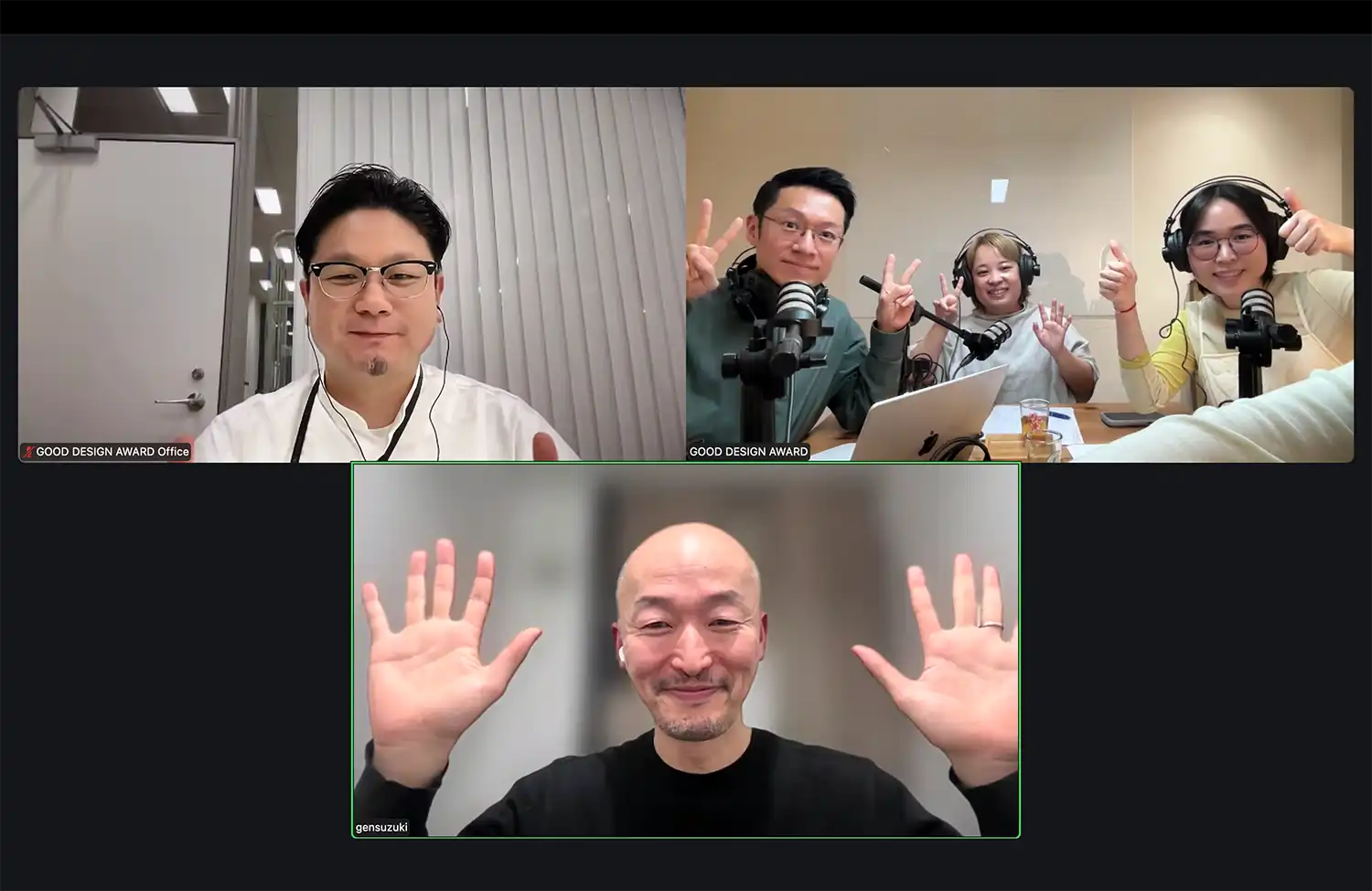
Many of the Japanese guests who appear on the program already have an interest in Taiwan. It is also a valuable opportunity for those who appear to express their own design philosophy in their own words to audiences in Taiwan and other Chinese-speaking regions. As they continue to record episodes, more and more Japanese designers are becoming interested in visiting Taiwan and talking with local designers, they say.
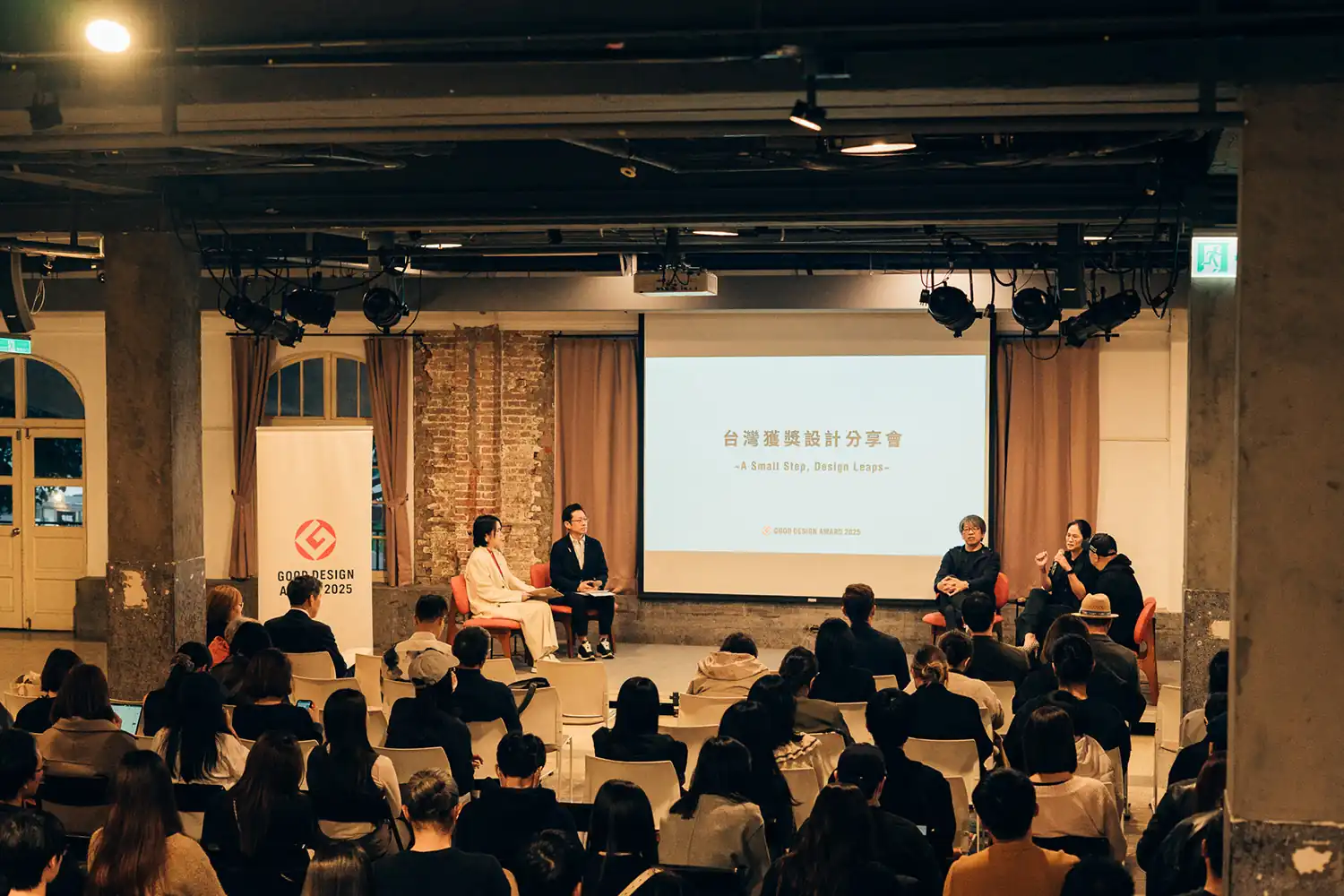
In Taiwan, art galleries, design-related institutions, universities, and forums invite Japanese designers for many lectures and networking events. Every year, the GOOD DESIGN AWARD also holds an application briefing and networking event in Taiwan, at which Japanese and Taiwanese judges and winners talk together in the same venue. Letting people know about their ideas and activities through the podcast can create openings for further exchanges in Taiwan.
Things that they find in Taiwan can also pose questions for Japanese designers. At convenience stores in Taiwan, cash registers are equipped with cards that people can use to indicate such matters as “I want to send a package” or “I want to withdraw money” in Indonesian, Thai, or Vietnamese. A Japanese designer who visited Taiwan was apparently impressed by this system, which supports the lives of people from diverse backgrounds with just a little ingenuity. Eva says that the Japanese participants often cite Taiwan's “cultural tolerance” and “flexibility to adapt to change” as attractive points.
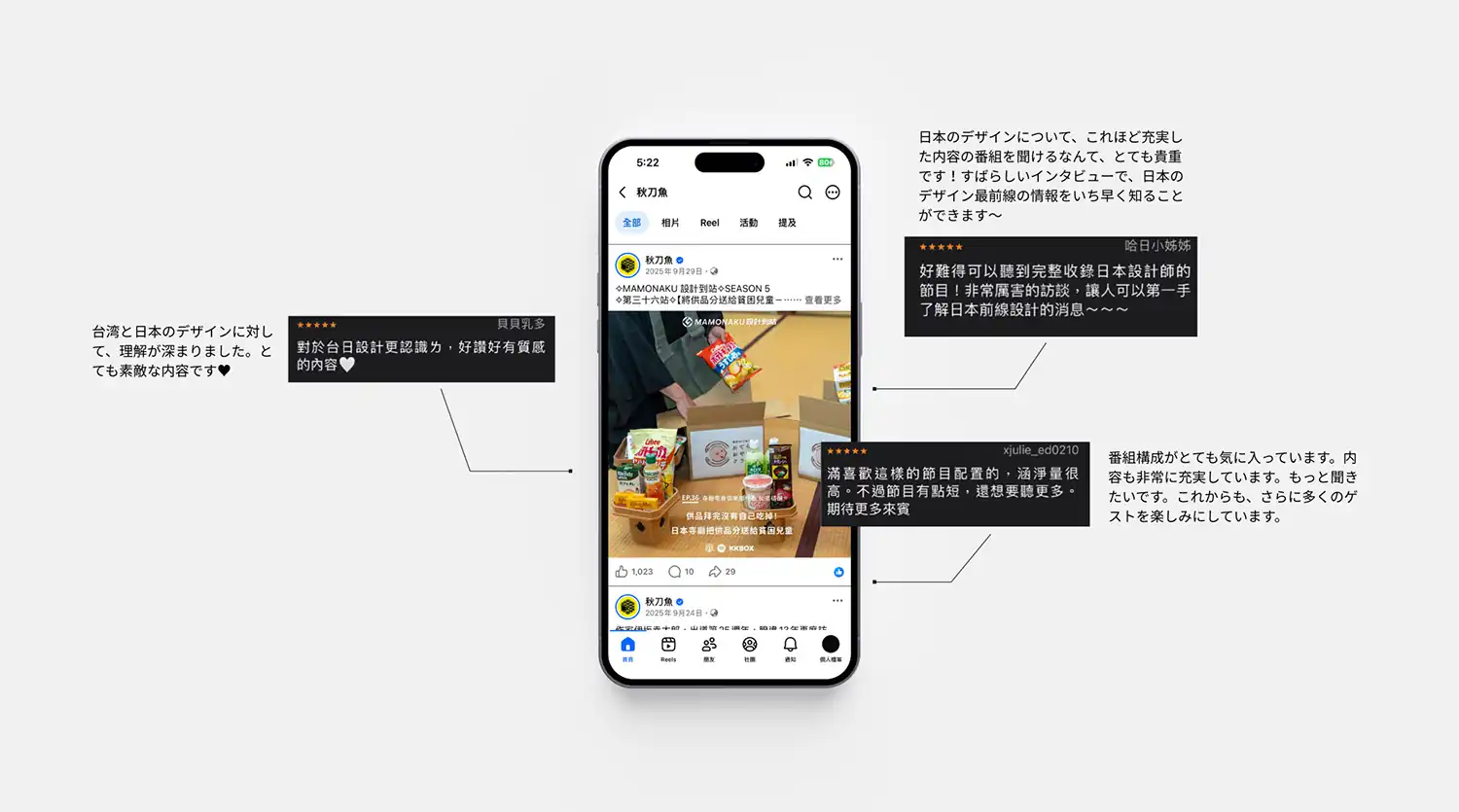
Concrete feedback has also been received from listeners to the show. In an episode about “play equipment that allows children with disabilities to play together with others,” a mother whose child was in a similar situation said that she had come to think “Couldn’t we create an environment where all kinds of children can play together in Taiwan, too?”
“That person is not a designer, so she cannot design new playground equipment herself. But she can consciously incorporate design into her life and make choices for her children. I was very moved by this change,” Eva says. The show is prompting ordinary listeners to incorporate design into their lives and to think about choices in their immediate surroundings.
A place where the next dialogue begins
From a full-issue feature to an ongoing podcast and networking events in Taiwan: Design in Japan is bringing new perspectives and inspiration to Taiwanese creators and listeners. At the same time, the ways in which they are perceived in Taiwan and the reactions born of this are also an opportunity for Japanese creators to learn how their work resonates in a different culture. This continued back and forth between Sanma and the GOOD DESIGN AWARD is gradually developing the foundation for future encounters and new initiatives.
Kei Chen
Writing
Originally from Taiwan. A member of the editorial team for the web media “.g Good Design journal.” Chen is also active as an experience designer in a wide range of domains, from digital services such as web and apps to offline spaces.


Related Articles

Embellish the time in which you want to indulge your preferences! 6 items selected by the GOOD DESIGN AWARD
We surveyed followers of the GOOD DESIGN AWARD official Instagram account, asking them “Which time during the day do you want to spend pleasantly: morning or evening?” The results showed that the majority prefer the evening. In this article, based on your feedback, we introduce GOOD DESIGN AWARD winners that gently support you to spend your preferred time within your daily life pleasantly.

What university students think about what design can do
Students who study design support the screening for the GOOD DESIGN AWARD. We held a survey of the students who participated in this year’s support team, asking them “What is needed for good design?” and “What can design do?” In the previous article, we introduced what is needed for good design. In this article, we summarize the opinions we received about what design can do. The results allow us to feel the true nature of design from the students’ straightforward gaze upon it.

University students tell us what is needed for good design
Students studying design support the screening for the GOOD DESIGN AWARD. We held a survey of the students who participated in this year’s support team, asking them “What is needed to create good design?” and “What can design do?” In this article, we will introduce some of their answers to the question of what is needed for good design. We gathered candid opinions that are not bound by stereotypes, born from a sincere approach to design.
Tea lovers, gather round! 4 items selected by the GOOD DESIGN AWARD
We carried out a survey in which we asked followers of the GOOD DESIGN AWARD official Instagram account, “Do you always choose coffee beans for your daily hot drink? Or do you prefer tea leaves?” The results showed that the majority of followers prefer coffee. In this article, we have chosen to focus instead on the minority who are tea aficionados! We have selected tea-related products that have won the GOOD DESIGN AWARD to enrich this moment to yourself even further, paying attention to the preferences of those who have this niche taste and to what you enjoy. Here are some recommended items for tea lovers.