
To the place where "good design" was created
Good design, excellent design, design that opens up the future, ideas that move people's hearts, and actions that lead society always have small beginnings.
Interviews with designers at the birthplaces of good design to find hints for the next design.
Destination
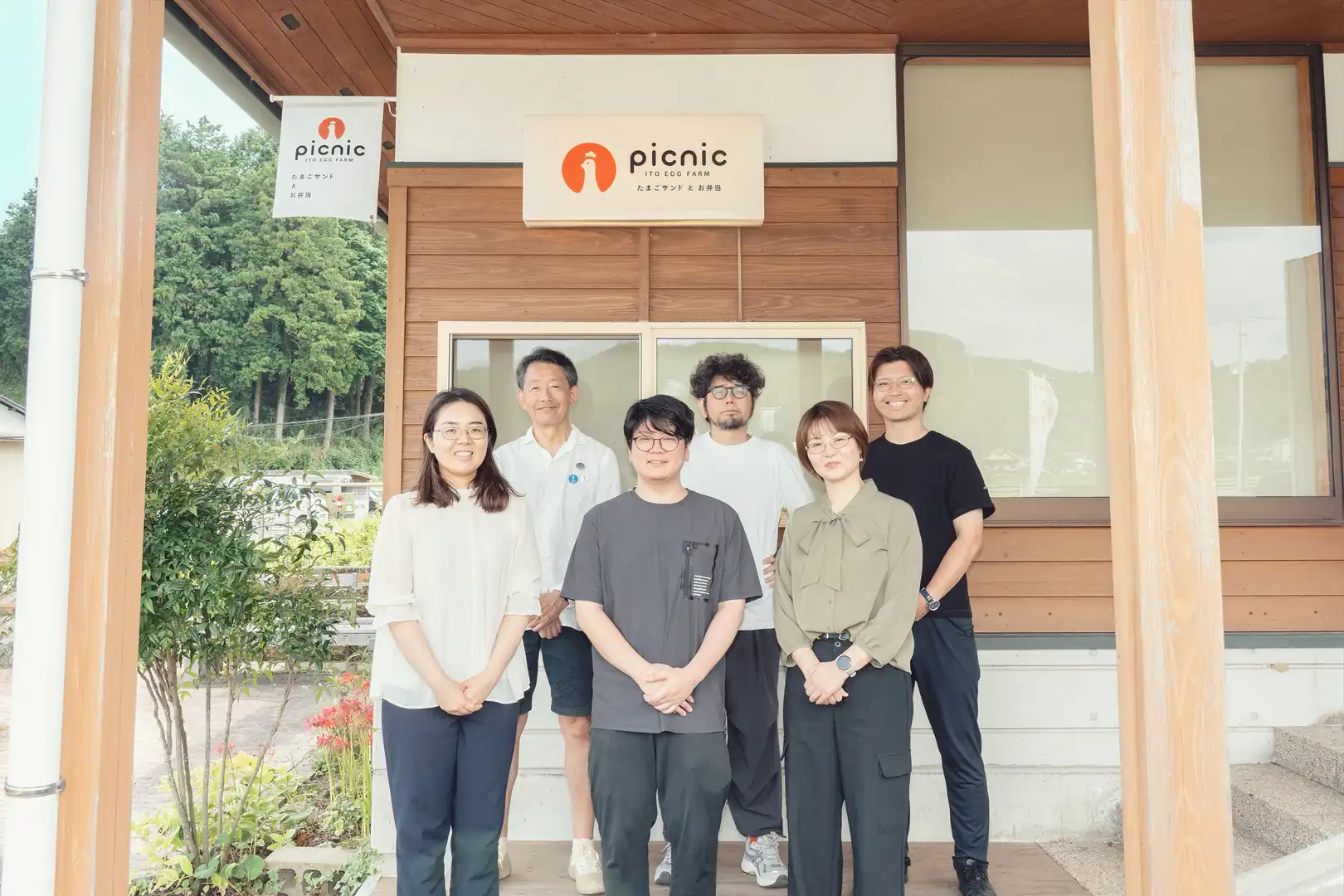
Agricultural Management Division, Agriculture, Forestry, and Fisheries Department, Saga Prefectural Government/ Saga Design, Policy Promotion Team, Policy Department, Saga Prefectural Government/ Bunbo/ DEJIMAGRAPH/ Ito Egg Farm “picnic”
Designing agricultural heroes (Part 1)
2025.11.18
Introducing design to agriculture, supporting the producers to build their own brands... Saga Prefecture’s “Saga Agri Heroes” is generating new value in the local area through such highly original initiatives. In a context in which single-year subsidy programs are the norm, this initiative has instead adopted a four-year long-term support system in which farmers and designers work together to come up with ideas and develop products. A number of the brands created through collaboration between primary industries and design have attracted attention, and the project received a GOOD DESIGN BEST 100 award in 2022. In this article, we hear about it from its launch to the results of its first phase. We talked to Hiromi Ushijima of Saga Prefectural Government’s Agricultural Management Division and Issei Koga and Chika Sasaki of the prefecture’s Saga Design, producer Naoki Ezoe, Junichi Hayama of DEJIMAGRAPH, and Daiki Ito of Ito Egg Farm “picnic.”
Co-creation by the government and design sectors, pioneered by Saga Design
– In recent years, many regions have been promoting the move towards “sixth-order industries” with support from the Ministry of Agriculture, Forestry and Fisheries. The Saga Agri Heroes program has attracted particular attention among these for producing reliable and continued results. What was the context in which it was born?*
*Initiatives to create new value by combining primary industries (production) with secondary and tertiary industries such as processing and sales.
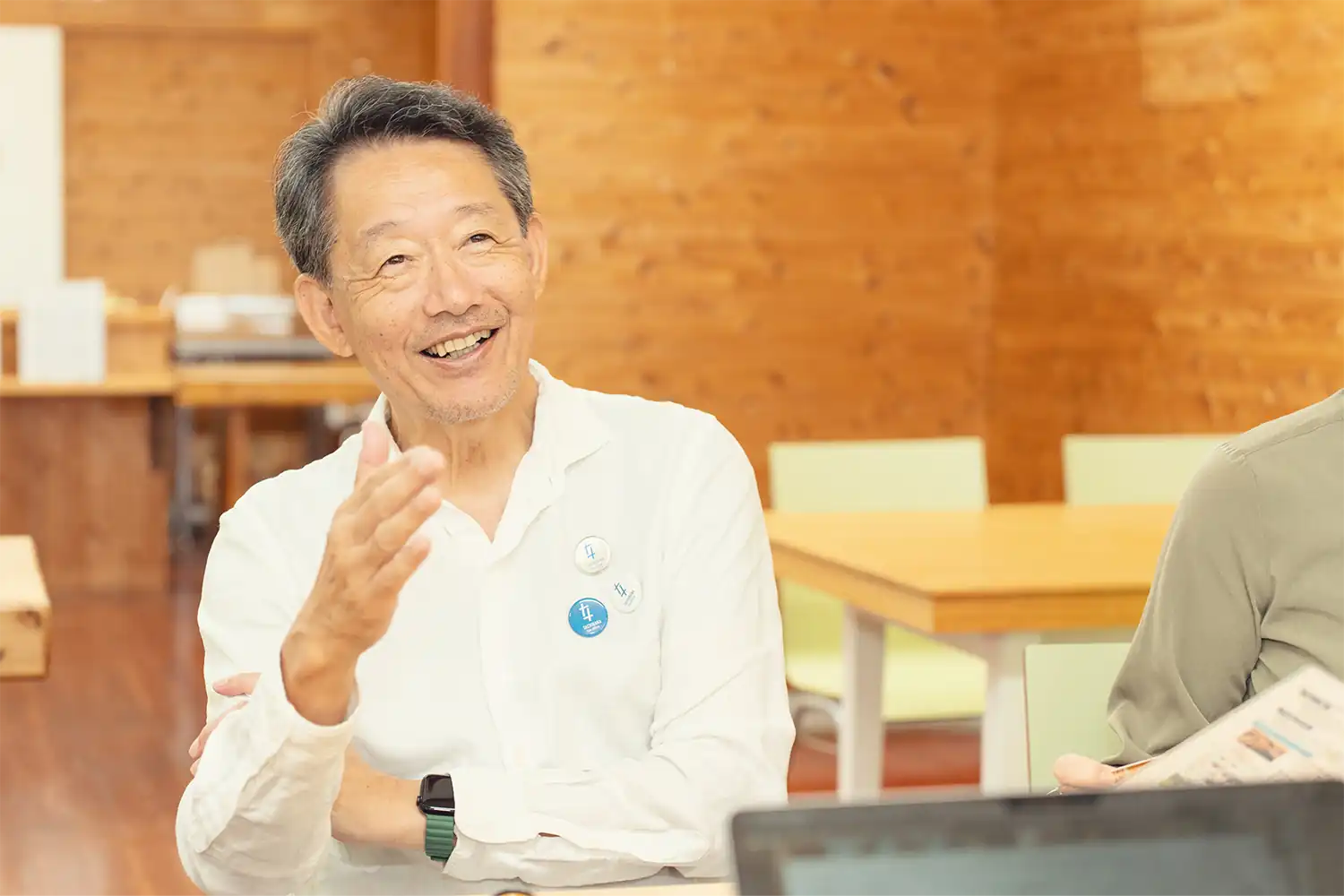
Naoki Ezoe (CEO, Bunbo) I was born in Saga Prefecture, and am currently based in Oita, working on brand building for companies and governments in the local area. In other words, work to “connect local communities and society through design.”
In 2015, a department called Saga Design came into being in the prefectural government headed by Governor Yoshinori Yamaguchi. The governor’s slogan, “Incorporating a design perspective into government to solve local community and business issues,” was the starting point. For an administration to incorporate design as an official function was unusual anywhere in the country, and so this was very progressive. When I heard about this move, I felt that Saga was seriously trying to incorporate design into government.
Ezoe In 2017, Saga Design was itself selected as one of the GOOD DESIGN BEST 100, and the prefecture’s initiative attracted national attention.
In the course of these events, the Agricultural Management Division got in touch asking for advice, saying that they wanted to “use the power of design to promote the move towards sixth-order industry,” and in fiscal 2019 we launched Saga Agri Heroes as a full-blown project.
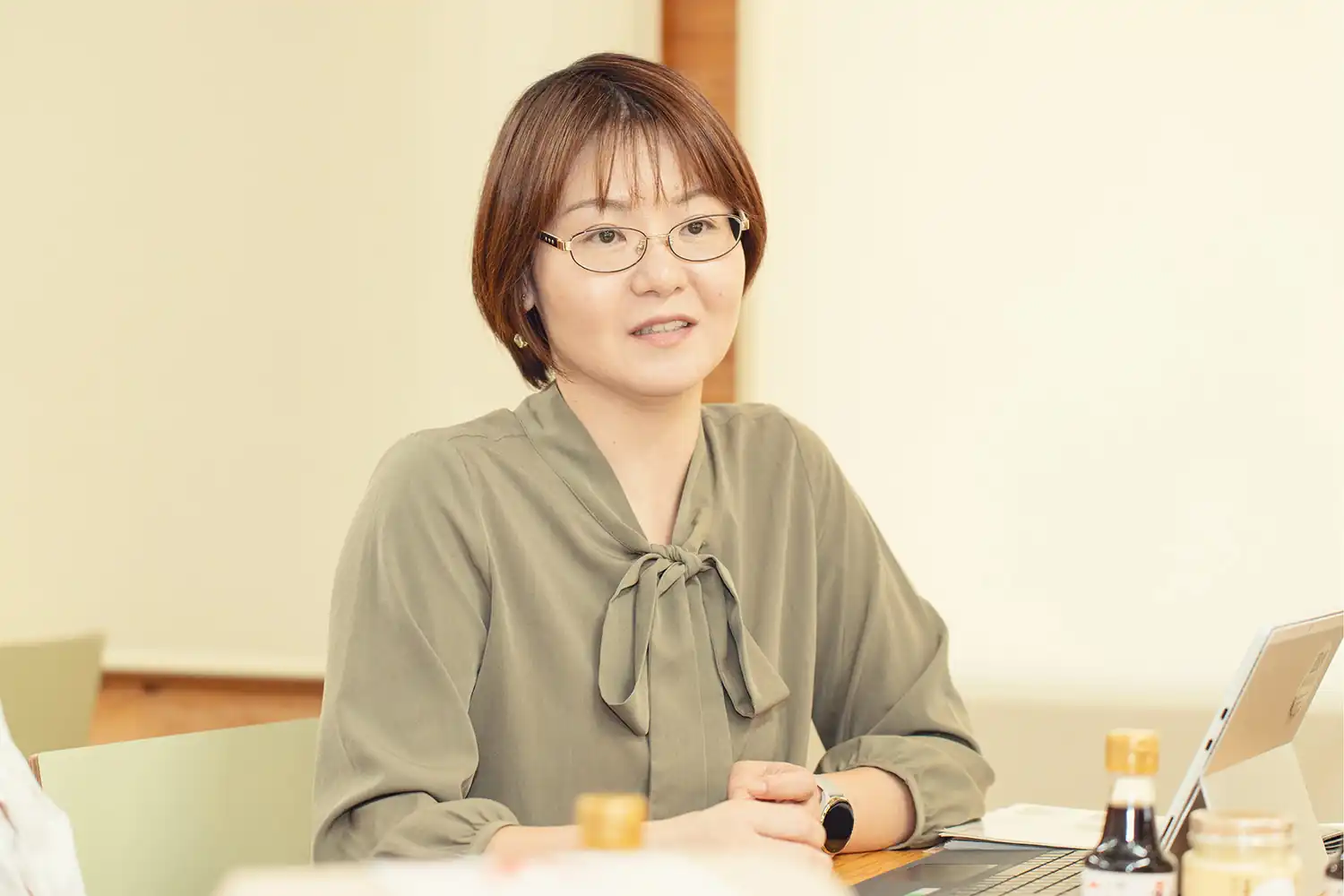
Hiromi Ushijima (Rural Business Unit Leader, Agricultural Management Division, Agriculture, Forestry, and Fisheries Department, Saga Prefectural Government) How to make primary industries into pillars of the local economy was the challenge. In what is known as the move to sixth-order industry, not only the quality of products and services but also the ways in which they are presented and communicated are important. And so we consulted with Saga Design and came up with the concept for a support project that incorporated the power of design. A multi-year project was included in the budget with the goal of developing producers and products which we can launch across the country.
Why four years? – Designing the system itself
– The first phase was from 2019 to 2022. The second phase is from 2023 to 2026. Why did you decide on four years, a long-term design?
Ushijima At the time, most subsidy projects were for a single year. Budget execution was tight: there were many cases where projects were over before results even appeared. However, agricultural cycles are long. Neither crops nor projects take root unless you give them time. For this reason, we adopted a formula of “choosing five farmers and accompanying them over four years.”
Ezoe It’s really unusual to see government projects spanning multiple years. In most cases, budgets are finalized around the summer and reports are compiled in March, so there is no time to think about anything. I once worked on a project spanning three years at the Ministry of Health, Labour and Welfare. In addition, from my experience of being involved in projects run by local governments such as Fukuoka Prefecture, I emphasized that no outcomes would appear in a single year.
As a result, Agri Heroes specified only the goal of increasing sales by 10 million yen in 4 years, and left the methods up to us. It was a lot of trust placed in us.
– Governments allocate budgets for single years. How did you make a long-term project a reality?
Ushijima In practice, the budget is renewed each year, and in the end, we were able to continue for four years. That’s the form it took. This was also the result of hard work on the ground. There was some internal debate, but the governor’s desire to support agriculture in a new way helped us.
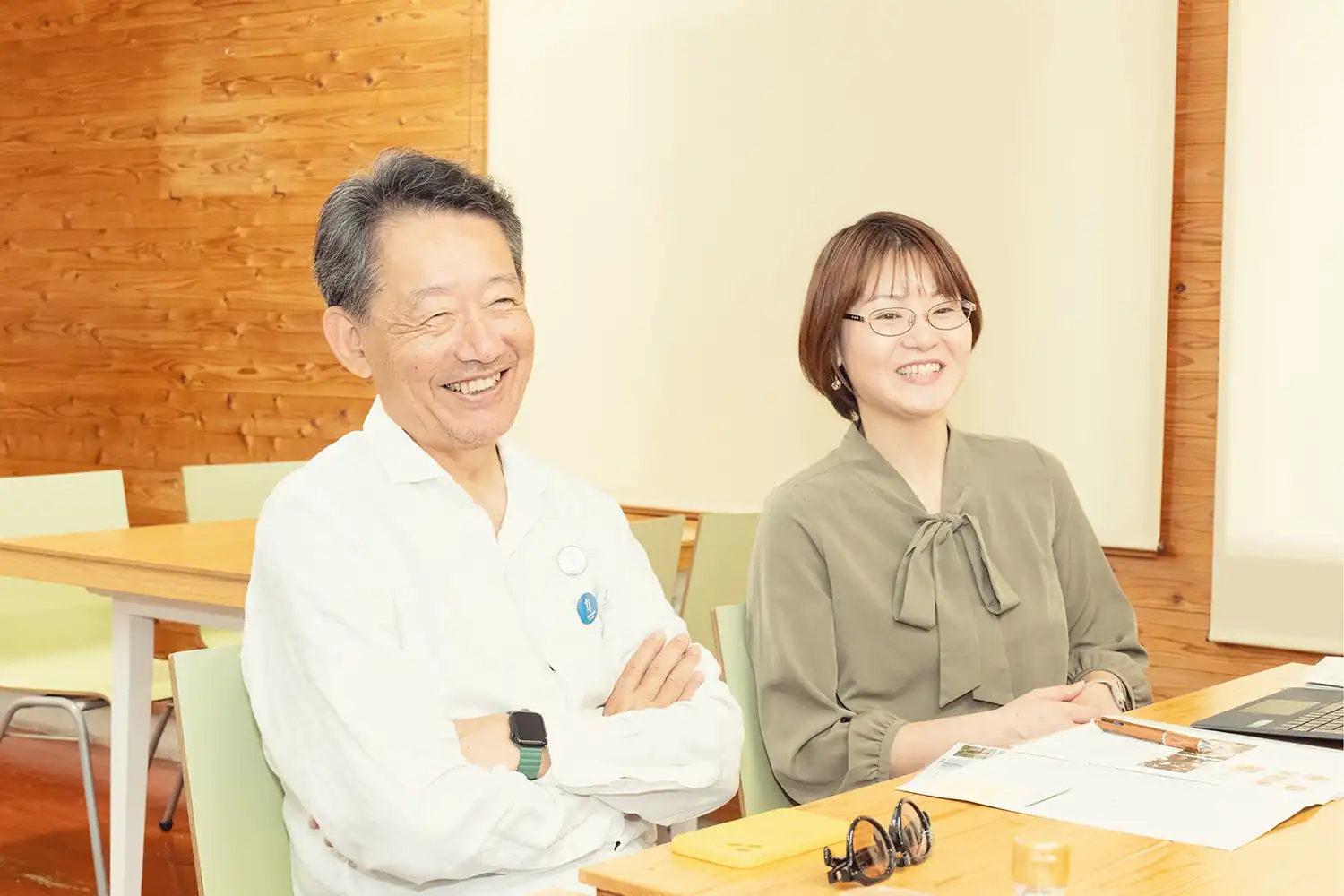
Ezoe There is symbolism in the number of four years. Since the governor’s term of office is four years, we show results within this term and then lead it into the next. I think that the design of the system itself, linking the rhythm of the administration with the sense of time of those on the ground, was a success.
The first two years are “invisible time”
– How did you actually move ahead with the project?
Ezoe In the first place, however thoroughly you try to plan, unforeseen problems always arise, so one way is to deal with them ad lib as they happen. The first two years didn’t produce any tangible results. This is a period in which producers and designers discuss in depth and build trust. Even if you rush to give a project shape at this point, it won’t last. Building a brand is like cultivating a field. We can’t harvest it right away.
Ushijima Here in the government, too, we were worried whether the project was really progressing for the first two years (laughs). But in the third year, we started to see results, and the fourth year produced solid results. The fact that the government has been able to experience “growing time” that cannot be experienced in a single year is a great asset.
Issei Koga (Manager, Saga Design, Saga Prefectural Government) The sense of speed and the language differ between government and designers or entrepreneurs. Saga Design plays the role of mediating between them, accompanying them on projects and interpreting. This time, I feel that taking a period of four years for the three parties to find common ground led to better outputs.
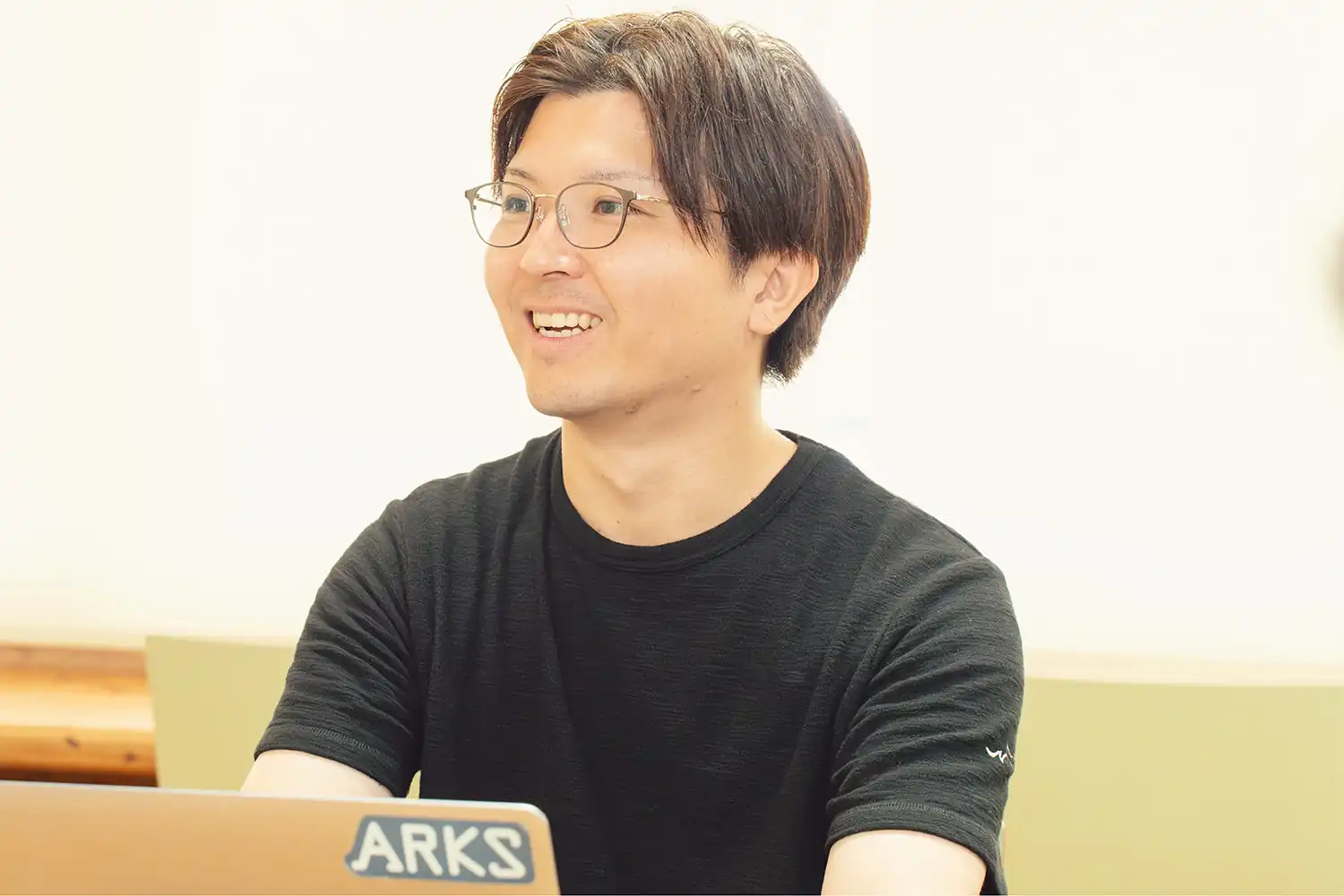
Chika Sasaki (Assistant Manager, Saga Design, Saga Prefectural Government) Over the four years, “design thinking” has naturally taken root within the Agricultural Management Division. Rather than “commissioning” design, they “think about it together.” I think that this attitude has been developed.
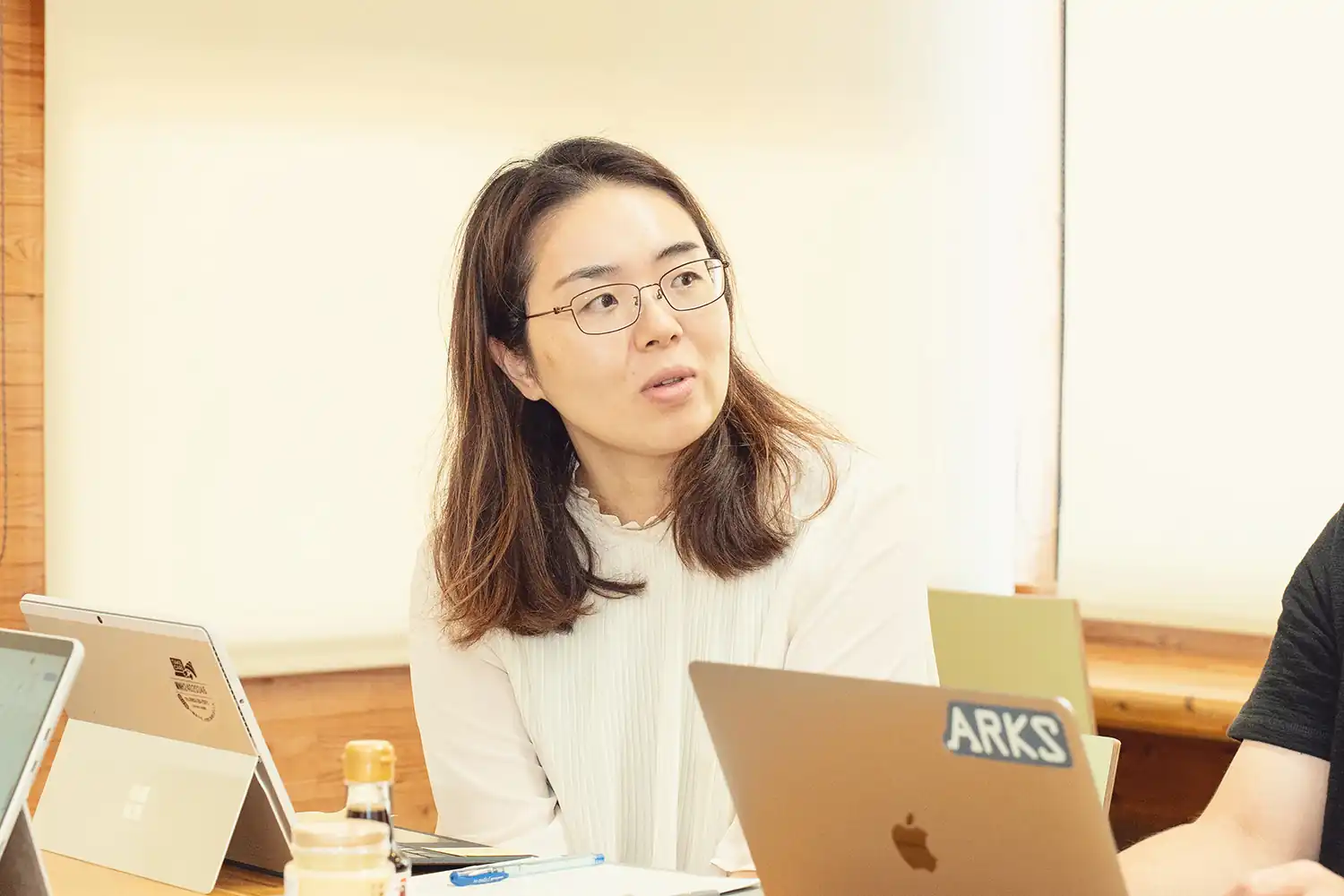
The creation of “picnic,” the symbol of the first phase
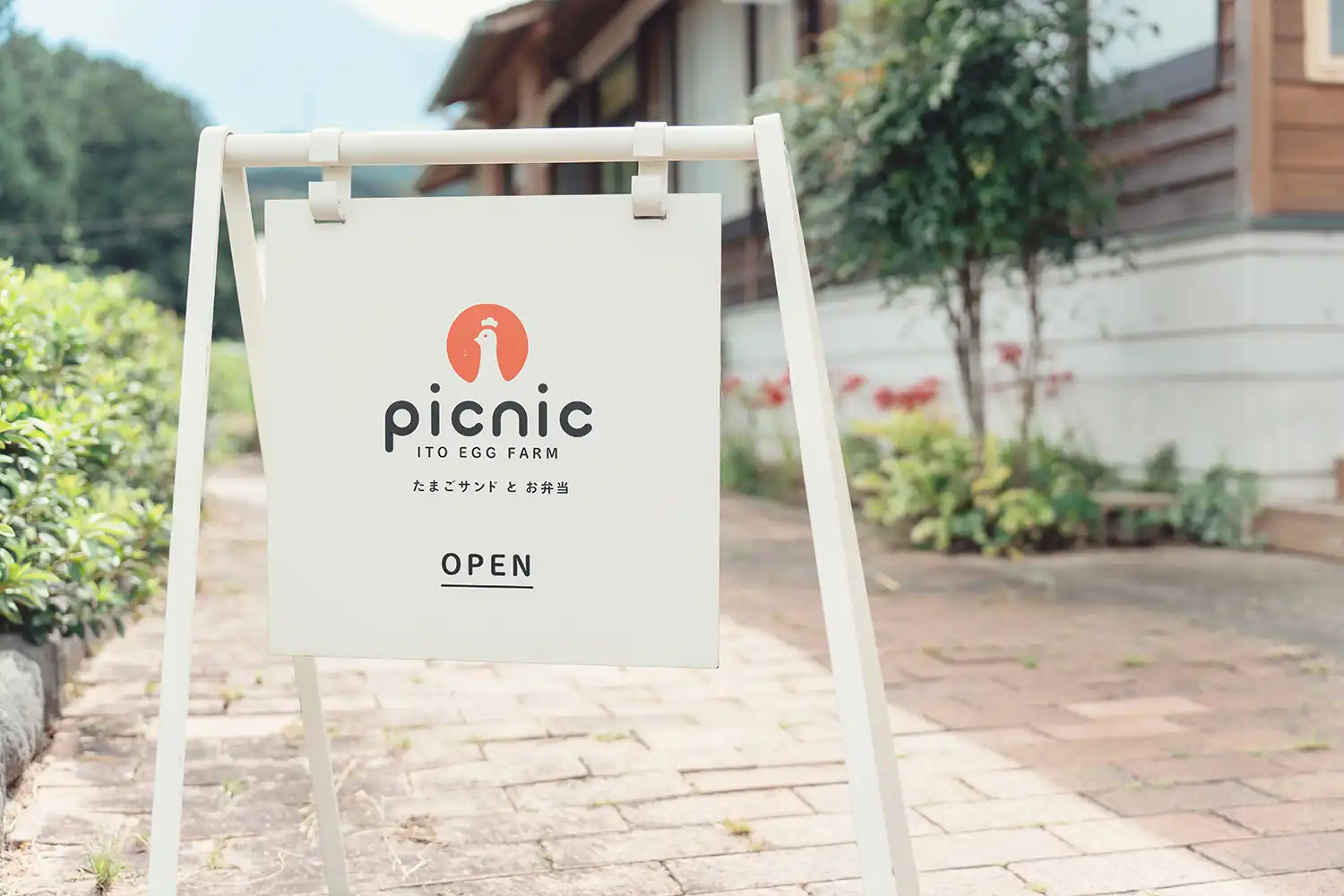
– How did Ito Egg Farm “picnic,” an egg sandwich shop where there are always lines of people waiting, come about?
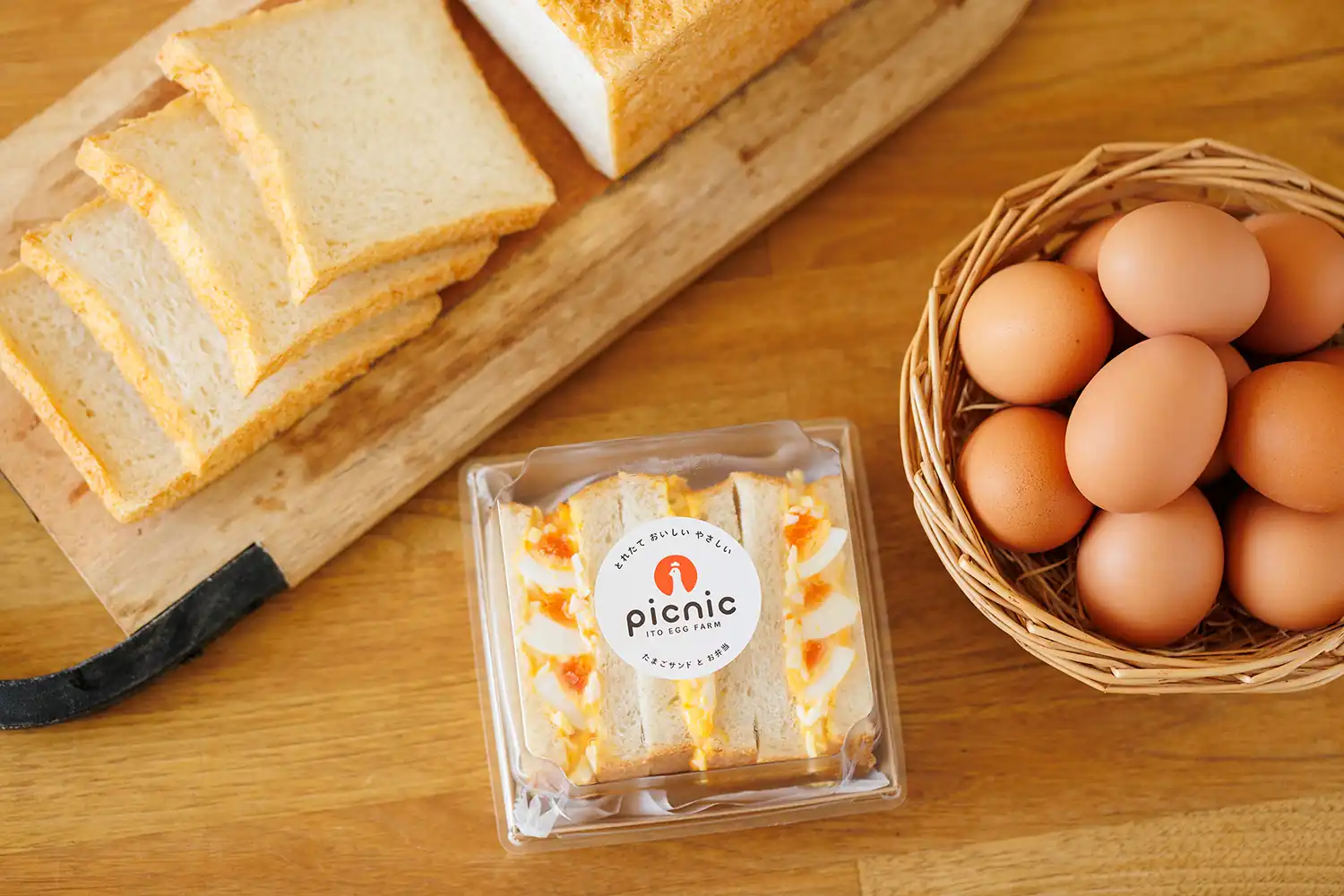
Ezoe Ito Egg Farm was a farm which was about to take the plunge and move from primary industry to sixth-order industry. DEJIMAGRAPH, a design company in Nagasaki City, had already worked on logos and other items and these were excellent, so we naturally formed a team. At first, we came out with many suggestions such as egg soup, mayonnaise, or crème caramel, but there were difficulties with these in terms of investment and profitability. Then I suddenly murmured to myself, “Egg sandwiches made by poultry farms are luxurious, aren’t they?” and it was though a switch had been flipped inside everyone.
Junichi Hayama (CEO, DEJIMAGRAPH) People came up with a lot of ideas, didn’t they? I think we were able to avoid rushing and identify the heart of the matter because of the four-year span. First, we worked together to lay out Mr. Ito’s strengths and issues, and extensively debated what to convey as the brand. We also invited culinary researchers to participate in the prototyping and verification of various types of bread, taste of mayonnaise, and even the thickness of the filling.
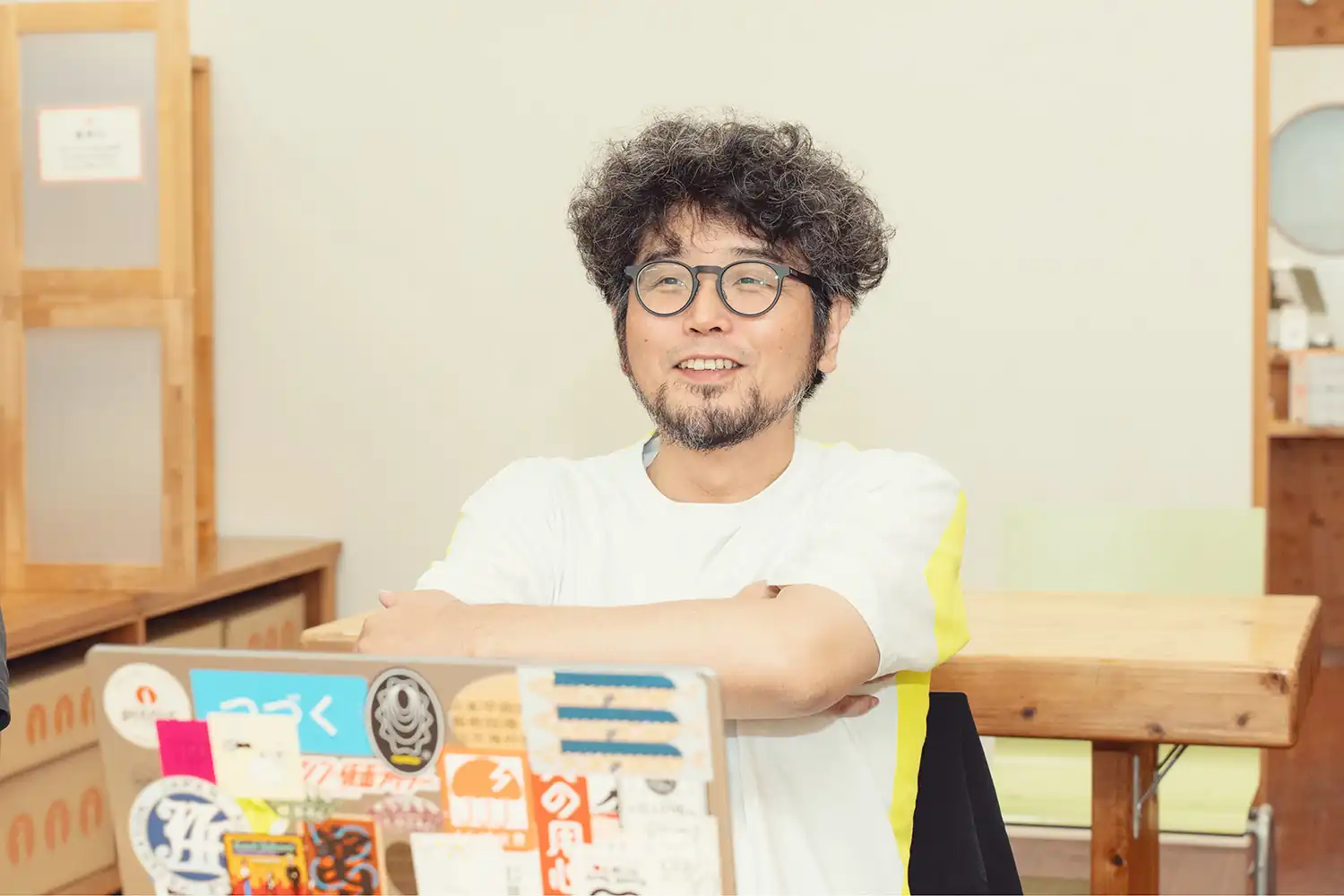
– In the same way as our associations with soft-serve ice cream from a dairy farm, egg sandwiches from a poultry farm create the expectation of “luxurious ingredients,” don’t they?
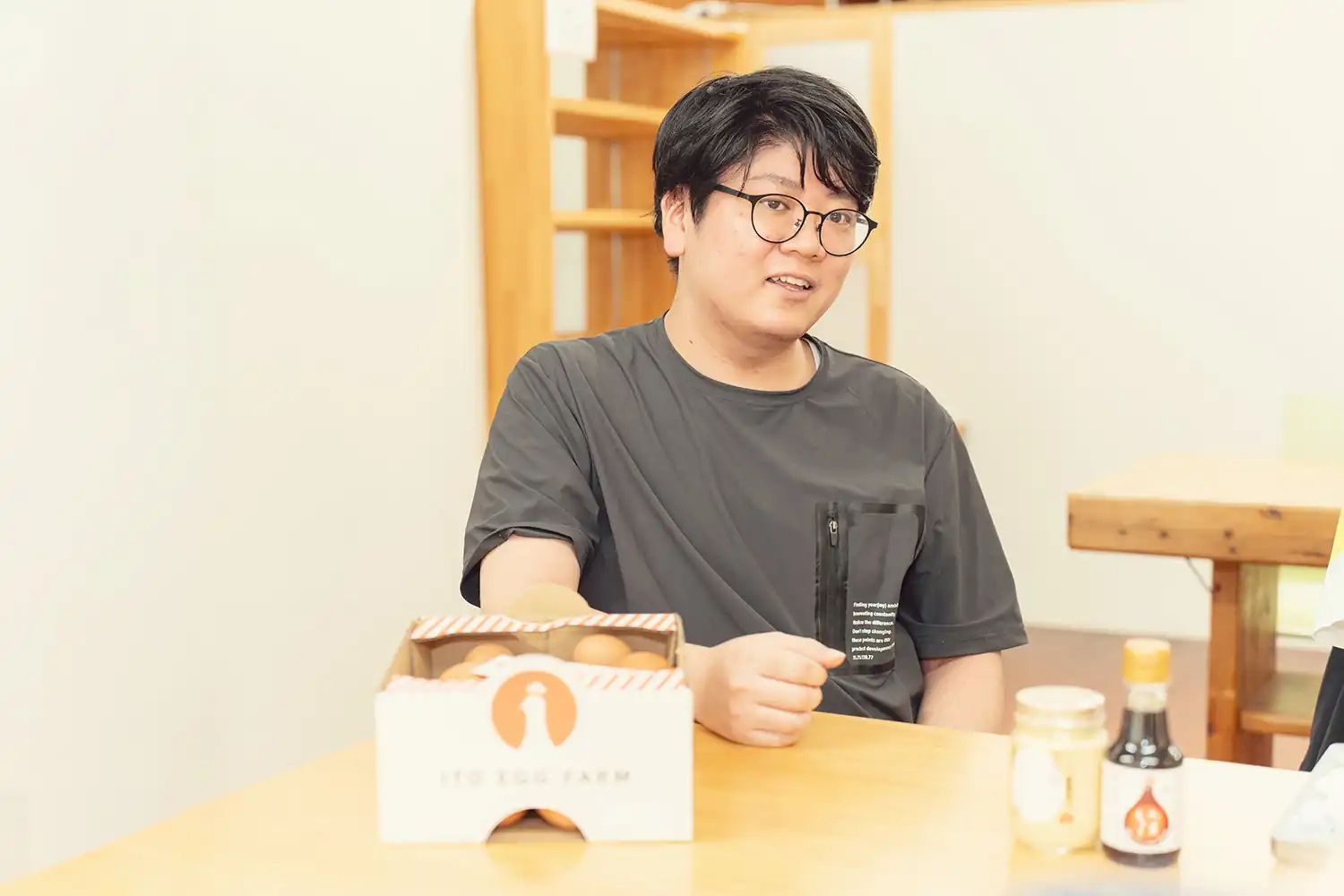
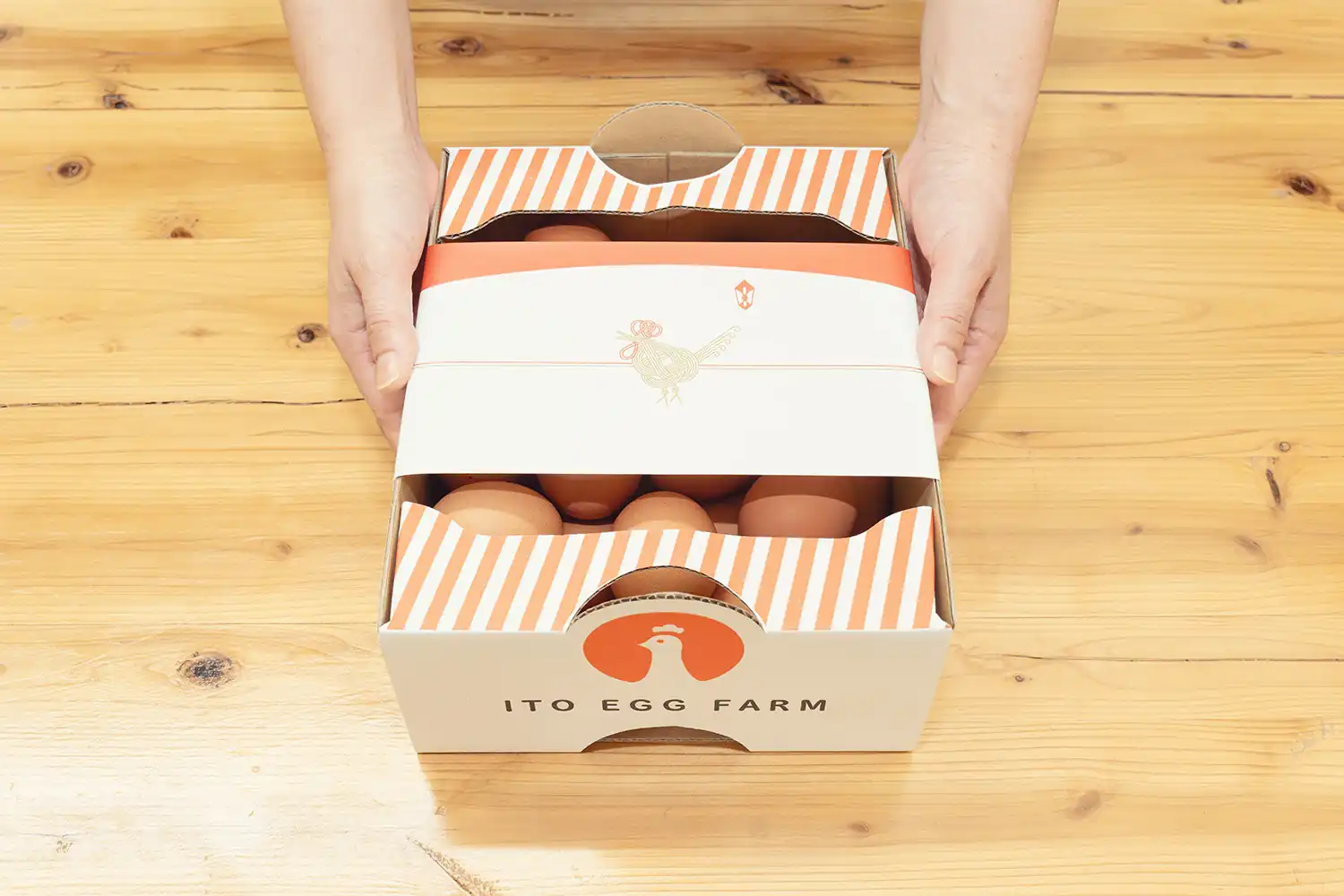
Daiki Ito (Representative, Ito Egg Farm) At first, we just had an idea that “It would be good if we could make something with eggs,” but as we talked about it more, the idea of “Egg sandwiches that only we can make” became clear. We also had the bread baked specially for us, and we ran many trials before the sandwiches were complete. I was really surprised that were lines outside the store right from the day it opened.
Ezoe We always hire professional culinary researchers when we develop food products. This is because brands come alive by raising the taste by just one level. The egg sandwiches were a classic example of this.
Not as an order taker, but as a “co-creator”
– What did you keep in mind when building relationships between farmers and designers?
Ezoe “If you become someone who takes orders, you’re done as a designer.” Even if you make something just as you were told, this will not create hitherto unseen value. Make the other person’s deepest wish a reality. I take an overview of the brand strategy and leave the details to the designers. In a manner of speaking, my role is to swing the hatchet; I don’t finish off the details with a pocketknife. It’s a division of roles.
Hayama Design is not the work of putting appearances in order, but of designing relationships. In the first year, I resolved to listen exhaustively. In the second year, trust is fostered and you become able to have honest discussions. With Mr. Ito, things moved ahead rapidly from there.
Ito To be honest, in the beginning, I had the feeling “What will design change?,” but as we continued with discussions, our issues were steadily sorted out. I feel that I have learned not only to “sell” eggs but also a way of thinking to “grow” the brand.
Ezoe The moment farmers realize that they have been praised by their customers, their awareness shifts. The penny drops through these responses: “This is the power of design!” The best part of this project is that you can see that change up close.
The idea of “creating heroes in agriculture, too”
– What is the meaning behind the name Agri Heroes?
Ezoe I named the project. This was because I thought that agriculture needed heroes, too. When one success story emerges in a local area, the farmers next door think, “Maybe I could do this, too.” The more important a time is, the more people act according to their desires and feelings. The name of a successful hero moves people to action. I was made aware of this over again.
Ushijima The five farmers in the first phase have all become well-known figures in their local communities. Some farmers have come forward and said, “We’re next,” and so I can sense a ripple effect.
Mindsets changed by design
– How do you feel that your mindset has changed, Mr. Ito?
Ito Before, I thought only about “producing eggs,” but now I have come to think about how to communicate this to customers. Through the dialogues with designers, a big change has been that I can now think for myself about the potential of eggs as ingredients.
Ezoe Through this project, I have seen many moments in which a person’s mindset has shifted from “producer” to “manager.” Farmers are diligent and tend to focus on “producing.” However, this changes as their awareness of “communicating” and “showing” through design grows. Agri Heroes is also a place for them to learn this.
Hayama At first, some people were confused by the design proposals, but gradually the discussions livened up and they began to express their own opinions. It’s great to see that growth.
The path to winning a GOOD DESIGN AWARD
– Winning a GOOD DESIGN BEST 100 award in 2022 was a great achievement, wasn’t it?
Ezoe The essence of winning the award lies in “design as a system,” not as “appearance.” In the application, we laid this out as “Agri Heroes applied the philosophy of Saga Design, which was born in 2015, to give concrete results.” I was pleased that we were recognized for having integrated government structures and the creative sector.
Ushijima For local government officers, the GOOD DESIGN AWARD felt far removed; but I felt that “our way of being as a local government” itself was recognized as design.
Ezoe When I reported the decision to give us the award, the governor immediately responded, “Let’s continue with a second phase.” The conversation with the people in charge also went surprisingly smoothly (laughs).
From Saga to the whole country: the potential of design governance
– Agri Heroes is attracting attention as a success story. Local governments within the prefecture and in other prefectures must be interested...
Ushijima There are enquiries from all over the country, but only a few have implemented anything so far. The reality is that single-year budgets are a big barrier.
Ezoe Most local governments say “Isn’t it great?,” but they are slow to get off their backsides (laughs). However, if governments learn how to “accompany,” the field of industry doesn’t matter. This ought to be applicable not just to agriculture but also to other industries.
Koga I feel that the perspective of “governance design” is gradually becoming more widespread. A foundation for both prefectural government staff and private-sector creators to move beyond their positions and learn from one another has been put in place.
Sasaki The mindset of our staff has changed over the four years. At first, we saw our work as “budget execution,” but now we think of it as “how to create value.”
A design wave that continues into the future
Ezoe Agri Heroes is more than just support for agriculture. Through the medium of design, people change, areas change. The next challenge is how to sustain this “wave.” “Design that accompanies” is called for in all fields, moving beyond the bounds of agriculture.
Ushijima The second phase is currently underway, and the relationships of trust that were built during the first phase have been a great help. Government, designers, and farmers can discuss as equals. Such relationships have become community assets.
Ezoe We shouldn’t be afraid of “invisible time.” This was the biggest lesson that we learned from the project. It takes time for results to appear. But it’s only through spending time that people and local design develop. I think that Saga proved this.
– Thank you very much! In Part 2, we introduce the second phase of the project, which is currently underway, and the “future of agriculture nurtured by design” that this has made visible.
Saga Agri Heroes
Agriculture, Forestry, and Fisheries Department, Saga Prefectural Government
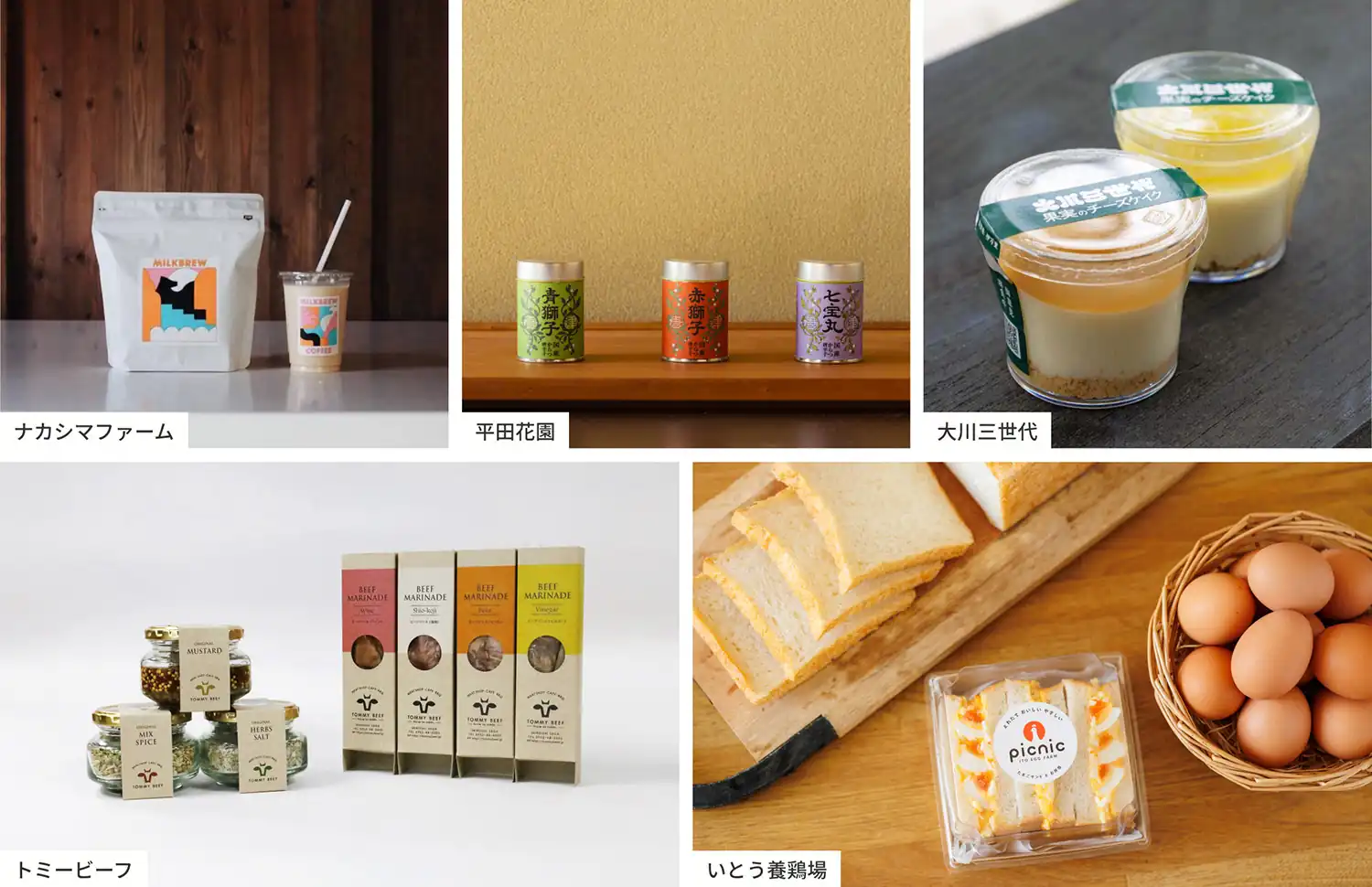
A new project by Saga Prefecture to support agriculture’s move to sixth-order industry. Five farms (Nakashima Farm, Ureshino City; Tommy Beef, Shiroishi Town; Ito Egg Farm, Takeo City; Okawasansedai, Imari City; Hirata Flower Garden, Karatsu City) were selected through an open application and, after thorough interviews, the producer and others chose the core designers for each one. It provides support ranging from product development to public relations planning and spatial composition. The implementation period is four years. The project goal is for each farm to increase sales by 10 million yen from the start date; all farmers have attained this goal in the third year. It was decided to implement a second phase.
- Award details
- 2022 GOOD DESIGN BEST 100 https://www.g-mark.org/en/gallery/winners/11070
- Producer
- Naoki Ezoe
- Director
- Naoki Ezoe/ Toshimitsu Ban/ Masanori Seto/ Ai Yoshimoto/ Kaneto Urago/ Shoko Matsumoto and others* *Project members during the first phase
- Designer
- Kensaku Iwashita/ Satomi Nishimura/ Sachi Monji/ Yosuke Koyanagi/ Ikki Kobayashi/ Koichi Futatsumata/ Kazumasa Harada/ Koichiro Fujimoto / DEJIMAGRAPH/ Kyoko Hirosawa/ Seiichi Maesaki/ Takayuki Senzaki/ Moemi Yamada/ Kota Abiru and others* *Project members during the first phase
Tomoko Ishiguro
Editor/writer
After working in the editorial department of “AXIS,” she became a freelancer. She writes, edits, and plans, with a focus on design and life culture. Her major editorial works include the LIXIL BOOKLET series (books, LIXIL Publishing) and “Oishisa no Kagaku” (magazines, NTS Publishing).
NANA
Photographer
She became familiar with film photography while she was an elementary school student. She has been active as a professional photographer since 2018. In addition to photography in a wide range of fields including people, products, architecture, and cuisine, she also works as an art director and video creator.


Related Articles
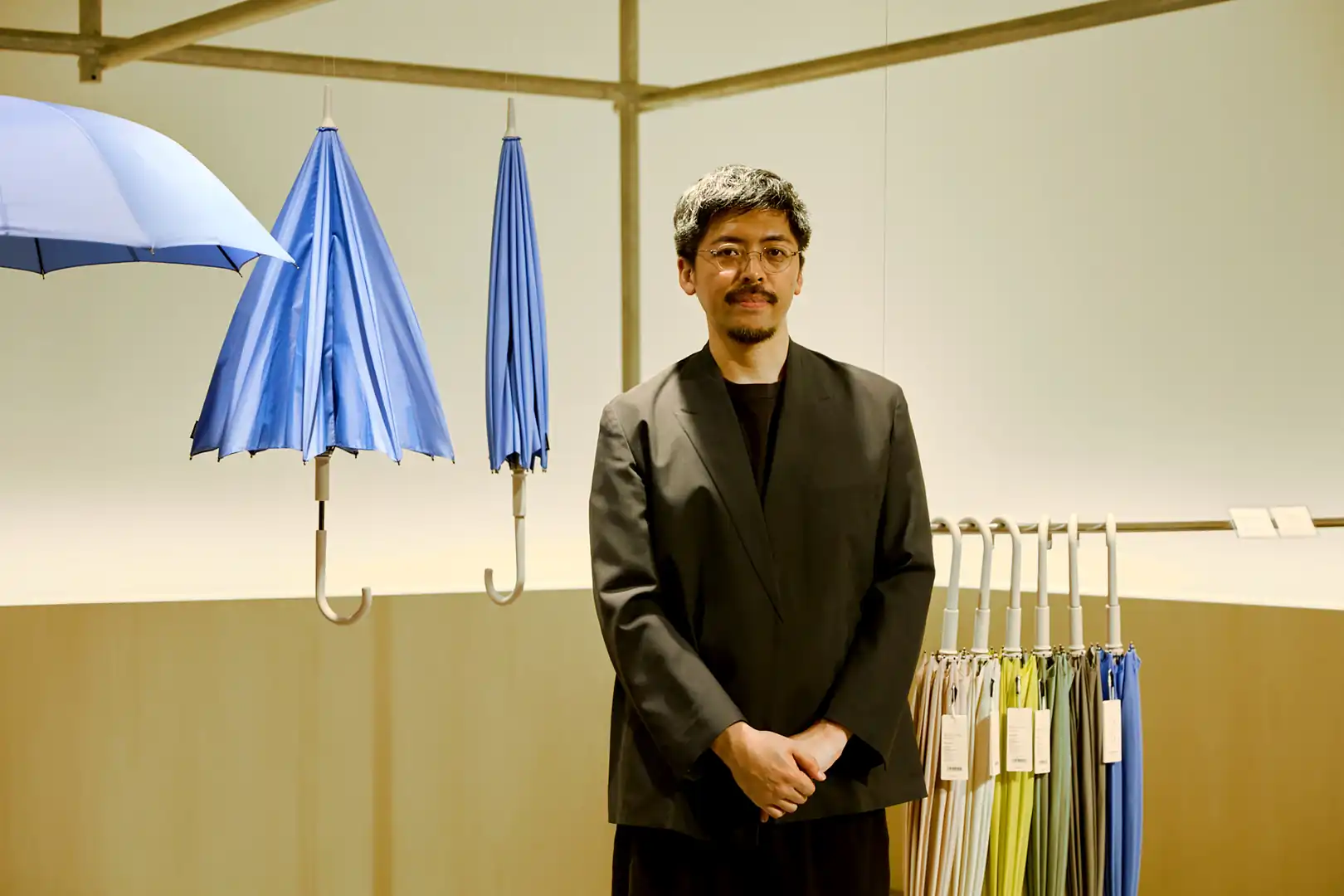
Umbrella innovation that changes our daily lives (Part 2)
We should not overlook the “minor inconveniences” in our daily lives, but rather solve them through our own ideas... Starting from this stance, Marna Inc. has created many hit products. The Shupatto Umbrella, which was selected as one of the GOOD DESIGN BEST 100 in 2023, is an epoch-making product that revolutionized the very structure of umbrellas. In Part 1, we listened to the story behind the development of this umbrella, which was born from the idea of being able to fold it without getting your hands wet. In Part 2, we will unravel “Marna’s design thinking” which lies behind its product development.
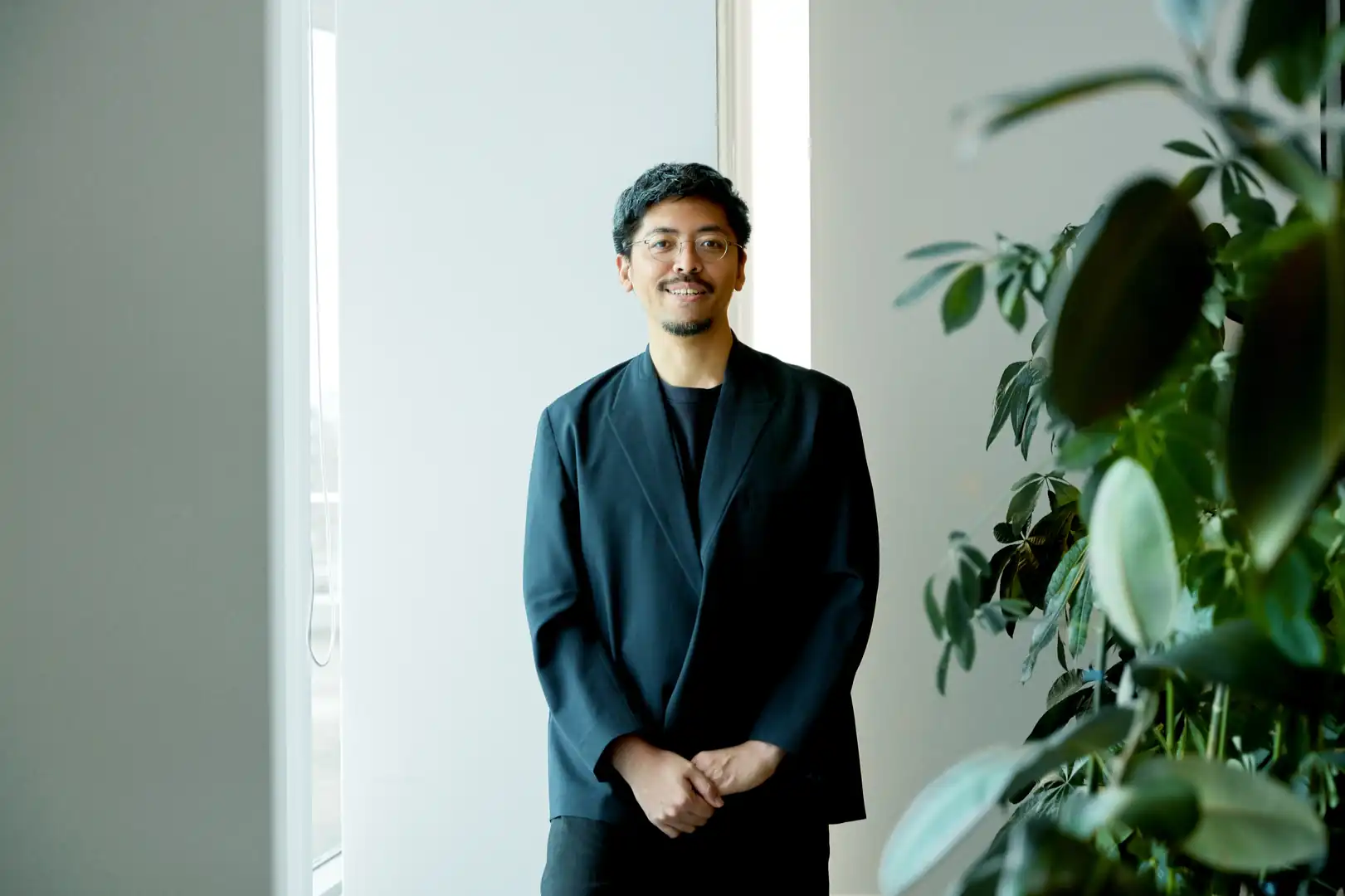
Umbrella innovation that changes our daily lives (Part 1)
We should not overlook the “minor inconveniences” in our daily lives, but rather solve them through our own ideas... Starting from this stance, Marna Inc. has created many hit products. One of these, the Shupatto Umbrella, is an epoch-making product that has revolutionized the very structure of umbrellas. While folding umbrellas and design quality are the mainstream among the competition, this umbrella, which was born from the idea of being able to fold it without getting your hands wet, offers a new experience in which all the fabric comes together at once the moment you close it. And in 2023, it was selected as one of the GOOD DESIGN BEST 100. We interviewed Ryota Taniguchi, who led the development of this product, about the development process which spanned five years from the moment when the idea came into being, and the repeated trial and error which led to its commercialization.
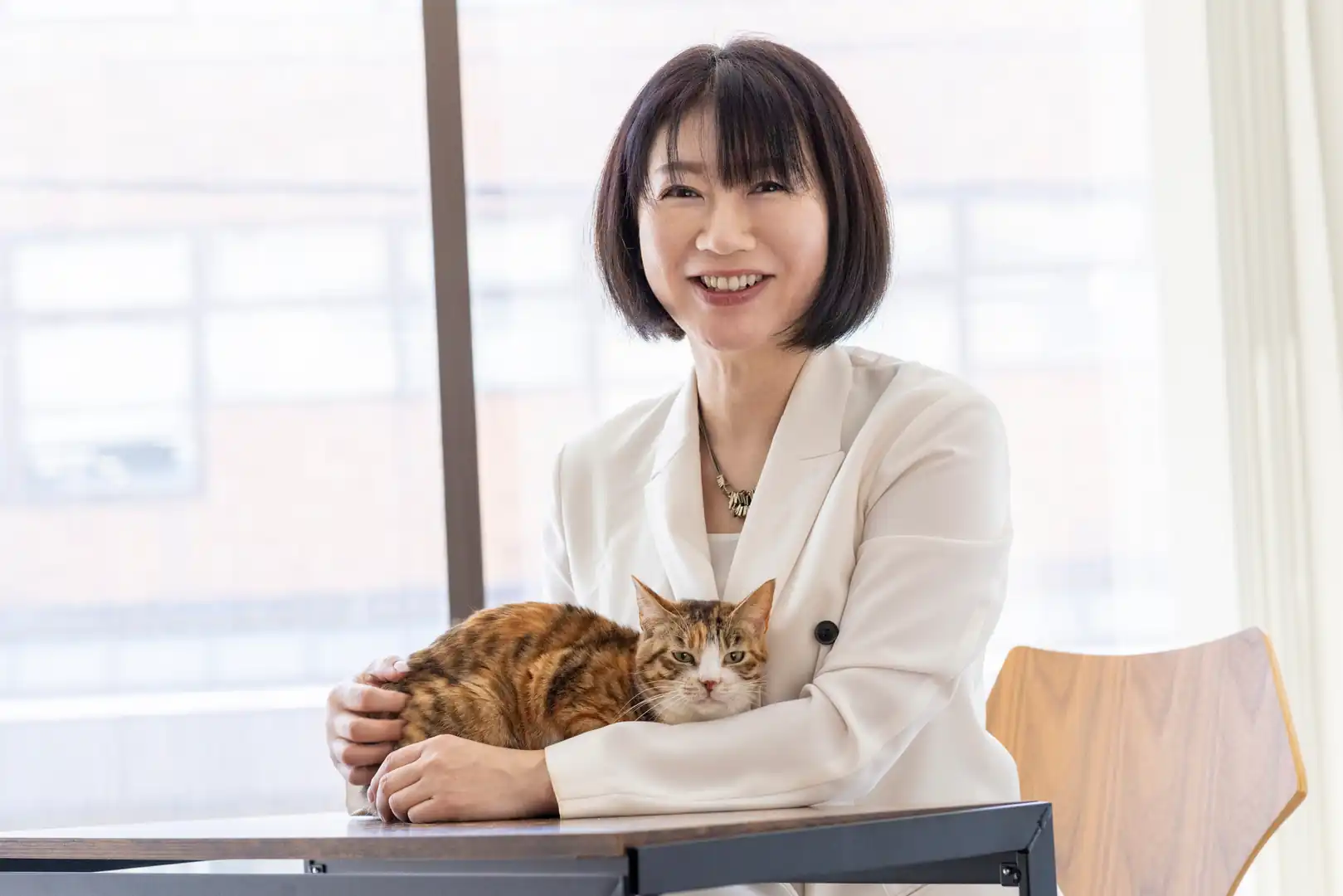
The cats are the designers. My role is communications. (Part 2)
Yukako Futono turned her love of cats into a business by founding Cross Clover Japan. In Part 1, we asked her about developing products by thinking as a cat does, rather than prioritizing what suits humans. In recent years, the average lifespan of cats has increased dramatically, but at the same time, new issues have arisen. In Part 2, she tells us about the world which unfolds with cats as its starting point.
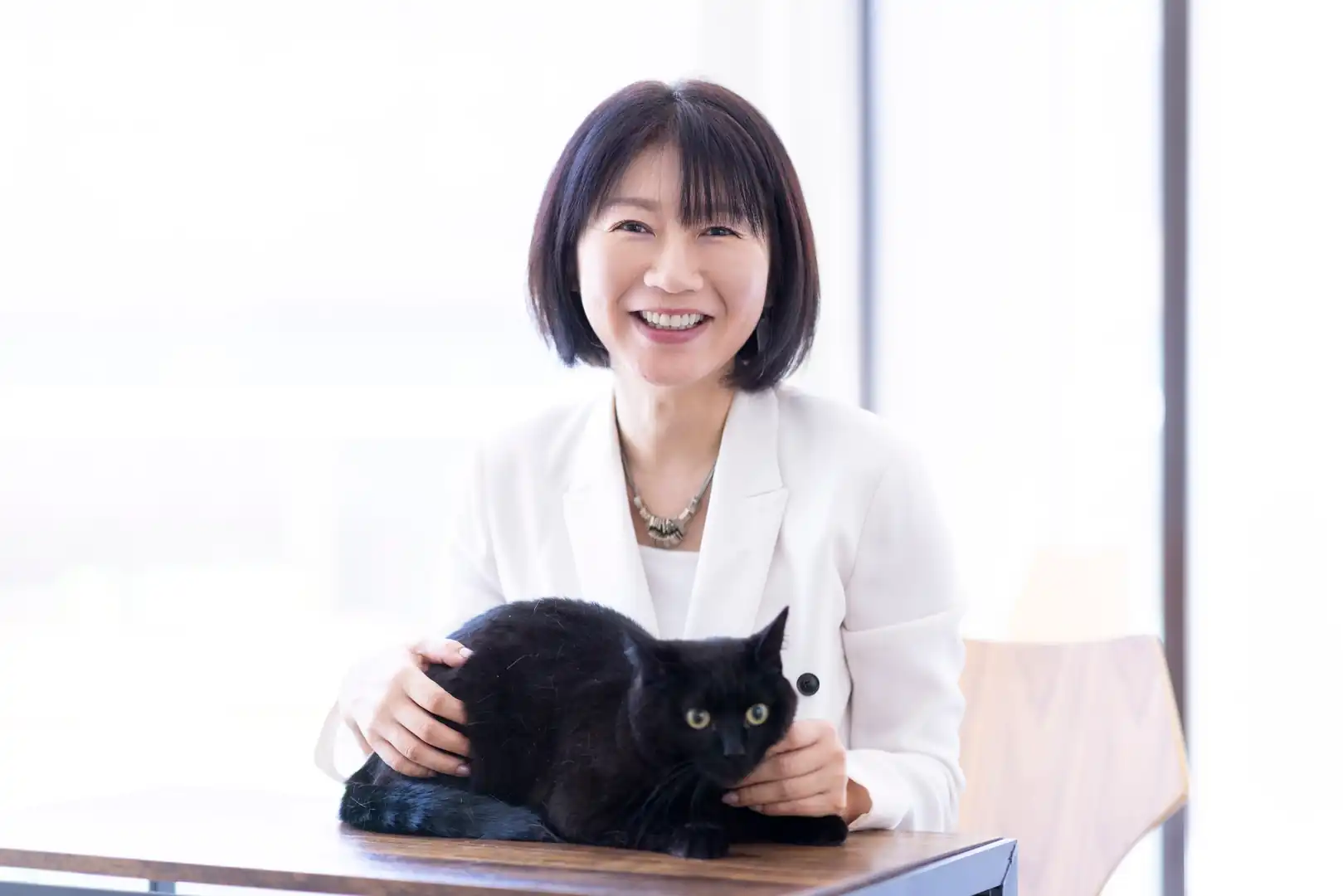
The cats are the designers. My role is communications. (Part 1)
The relationship between cats and humans is an old one. Cats are said to have first come to live in human settlements in ancient times to catch the rats that had increased due to the start of farming. In recent years, the average lifespan of cats has increased dramatically, but at the same time, new issues have arisen. Yukako Futono turned her love of cats into a business by founding Cross Clover Japan, and develops products from the cat’s viewpoint. What kind of viewpoint is the cat’s?! She told us about her activities, which even envisage the creation of a society with cats as its starting point.