
To the place where "good design" was created
Good design, excellent design, design that opens up the future, ideas that move people's hearts, and actions that lead society always have small beginnings.
Interviews with designers at the birthplaces of good design to find hints for the next design.
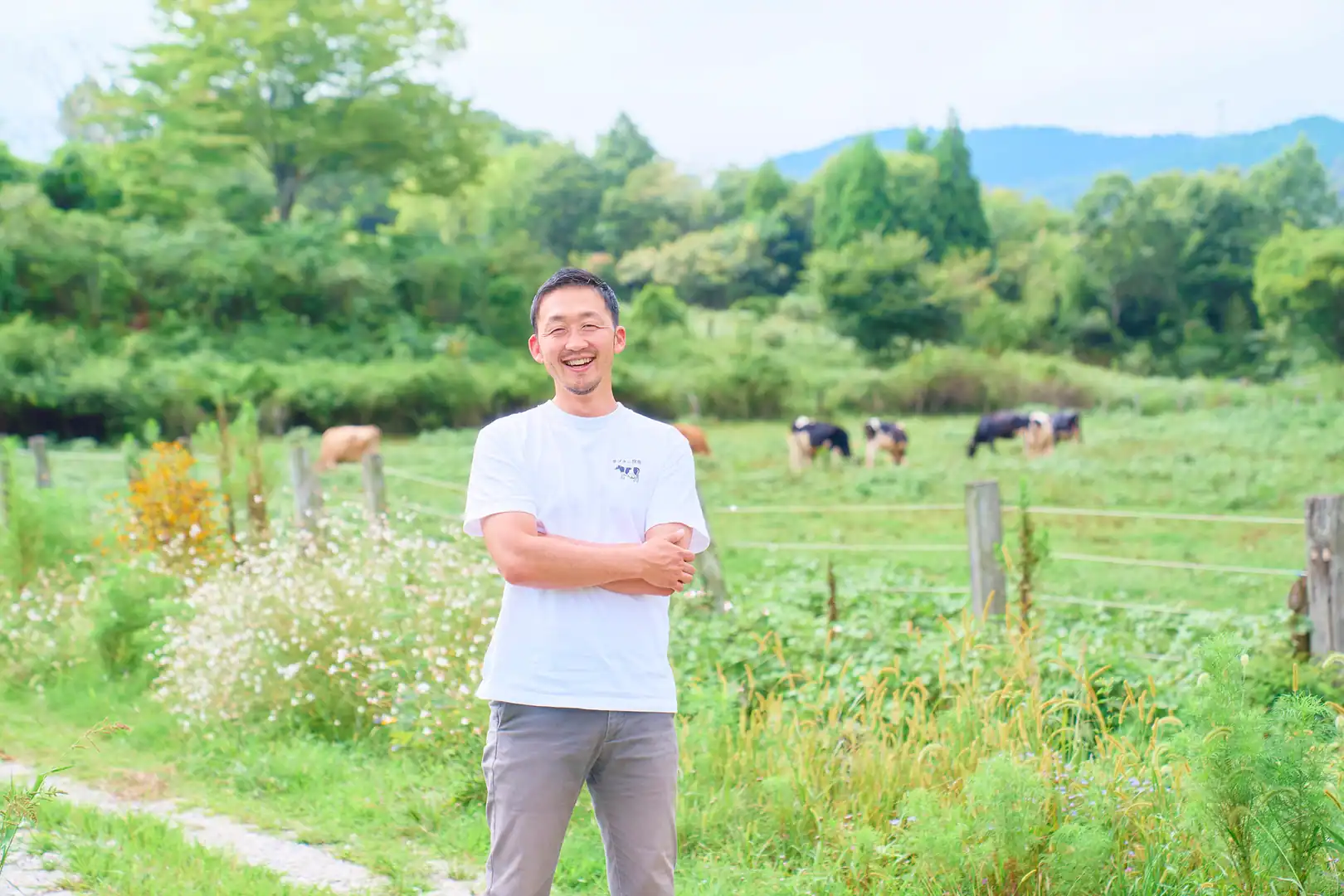
Where does the deliciousness of milk come from? (Part 1)
Around an hour's drive from the center of Hiroshima City, set among lush green mountains, Sagotani Farmer has been producing milk for three generations. Every year, about 100,000 people visit this open farm, where they can see the cattle barns and the pastures, and enjoy gelato. Since 2020, Sagotani Farmer has been working on a shift to pasture dairy farming, and is exploring new ways of running a farm together with the people in the local community. The farm received a GOOD DESIGN GOLD AWARD in 2025 for its “farm-based community co-cultivation design,” efforts to rethink not only how the cows are raised, but also how the value of milk is communicated and even its relationship with the community. Milk, which we usually drink without a thought, is said to taste different depending on the grass the cows eat, the land on which they are raised, the season, and the sterilization method. Letting the cows graze freely does not automatically make it more delicious. There is a deep, little-known world behind milk production. We asked Kosuke Kubo, the executive vice-president of Sagotani Farmer, about his efforts to pursue delicious milk production and the background to the changes at the farm.
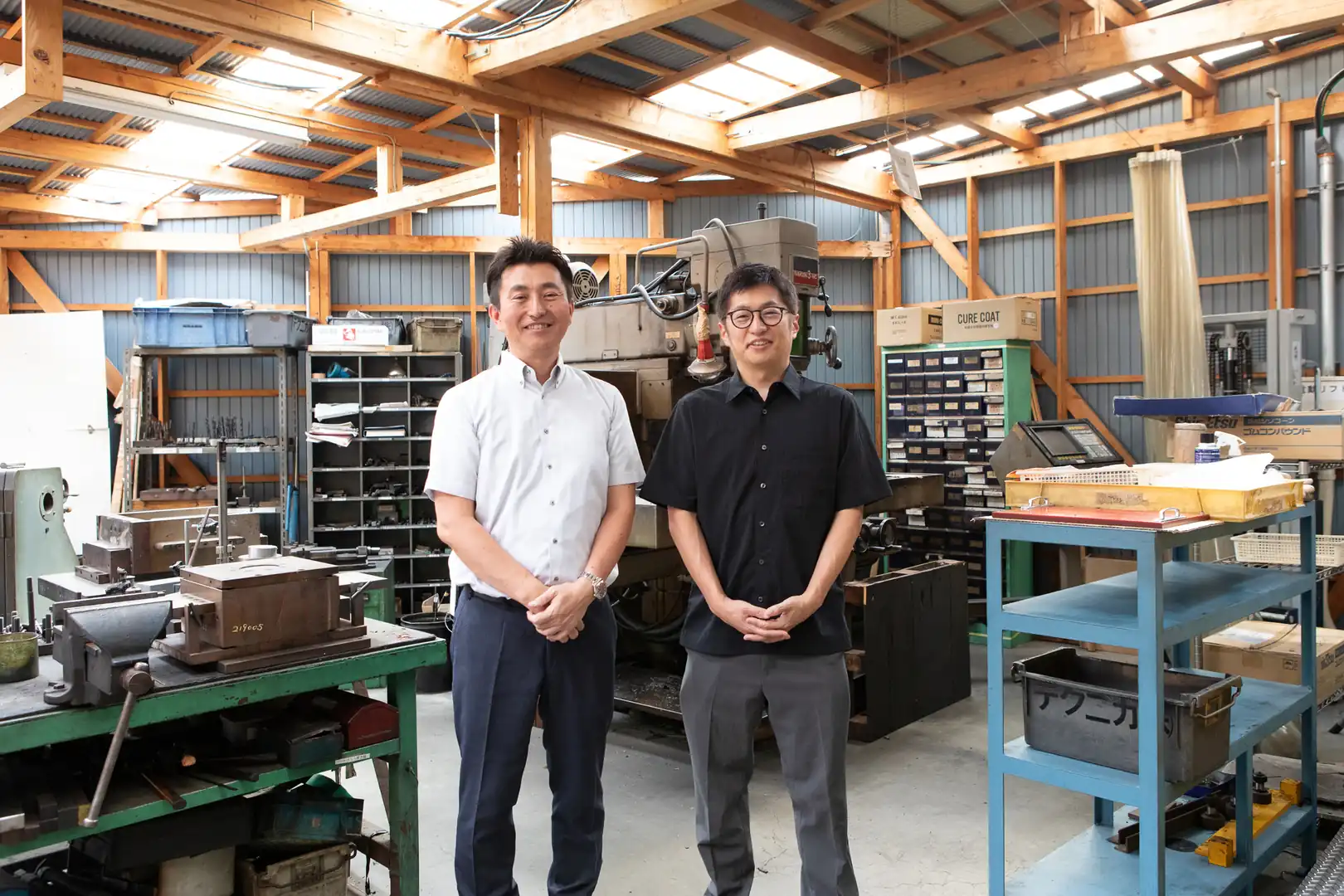
Creating possibilities from “black rubber” (Part 2)
Eggshells, tea, seaweed, wood, stone, iron. “Rebbur” incorporates materials that had never before been associated with rubber to create new looks. In the background to this is the blending technology that Kouhoku Rubber Co., Ltd. has cultivated over many years. So how is rubber made in the first place? As we walked through the factory, we could see a manufacturing process different from that of plastic: applying heat, causing chemical reactions, and molding. Following on from Part 1, we asked President and Representative Director Kenta Sugahara and designer Tomoki Doi about the characteristics of rubber as a material, the new encounters that Rebbur opened up, and Kouhoku Rubber’s aims for the future.
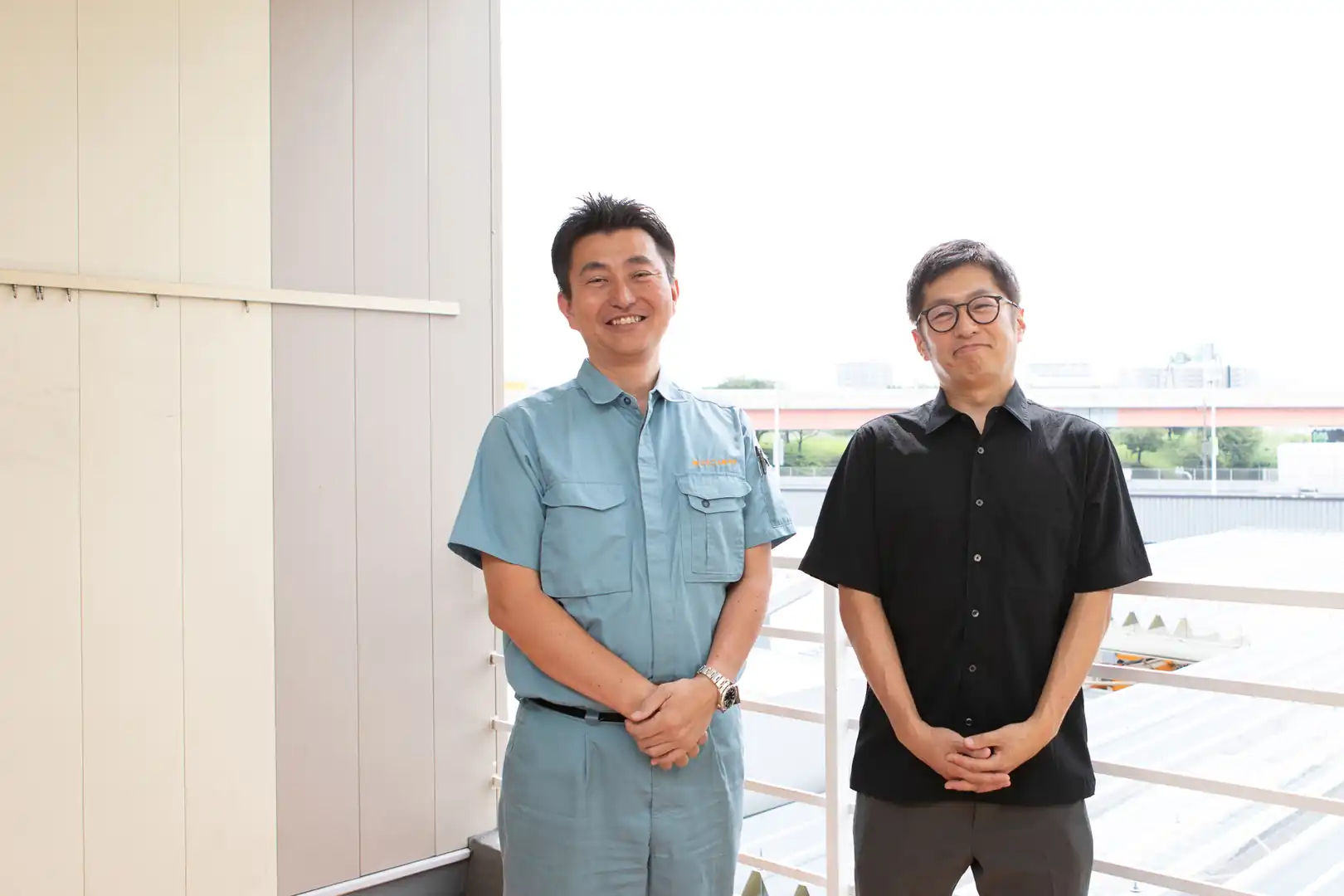
Creating possibilities from “black rubber” (Part 1)
What comes to mind when you hear the word “rubber”? Tires, rubber bands, gaskets...? In reality, rubber is used to support society even in places where we do not see it. Kouhoku Rubber Co., Ltd., which has been in business for more than 60 years, has continued to produce rubber products tailored to specific uses by blending raw materials according to the needs of its customers. Kenta Sugahara, the third-generation company president, began looking for new ways of using it, saying “Rubber has endless possibilities.” These experiments gave birth to Rebbur, which combines unused materials such as eggshells and tea with natural rubber. Do not make something because there is a large market. First of all, give it a try. Search for the possibilities for new work from there. We asked Sugahara and designer Tomoki Doi, who is developing it together with him, about the kind of manufacturing that a small company can do best.
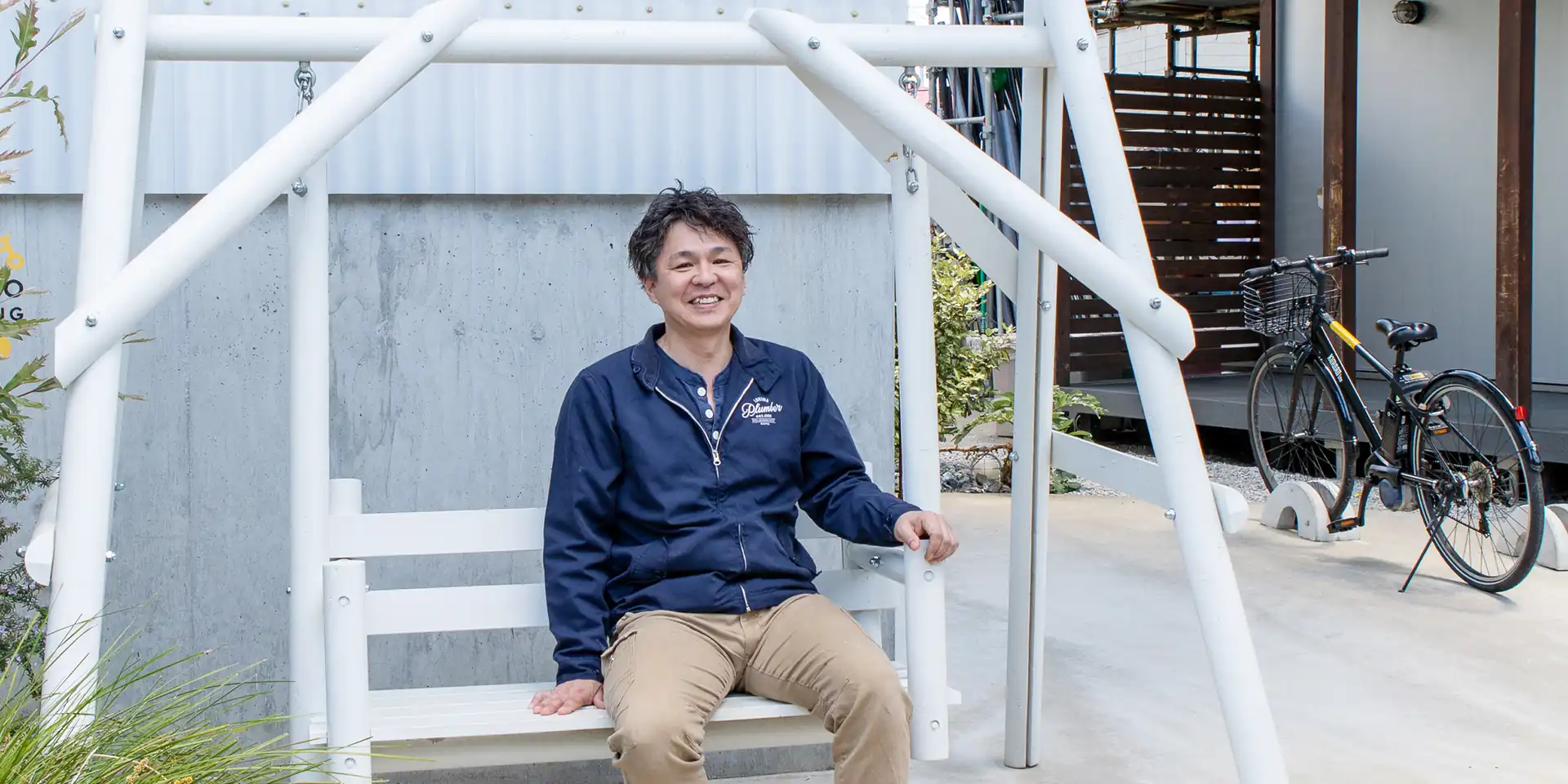
Beyond the company’s activities is society(Part 2)
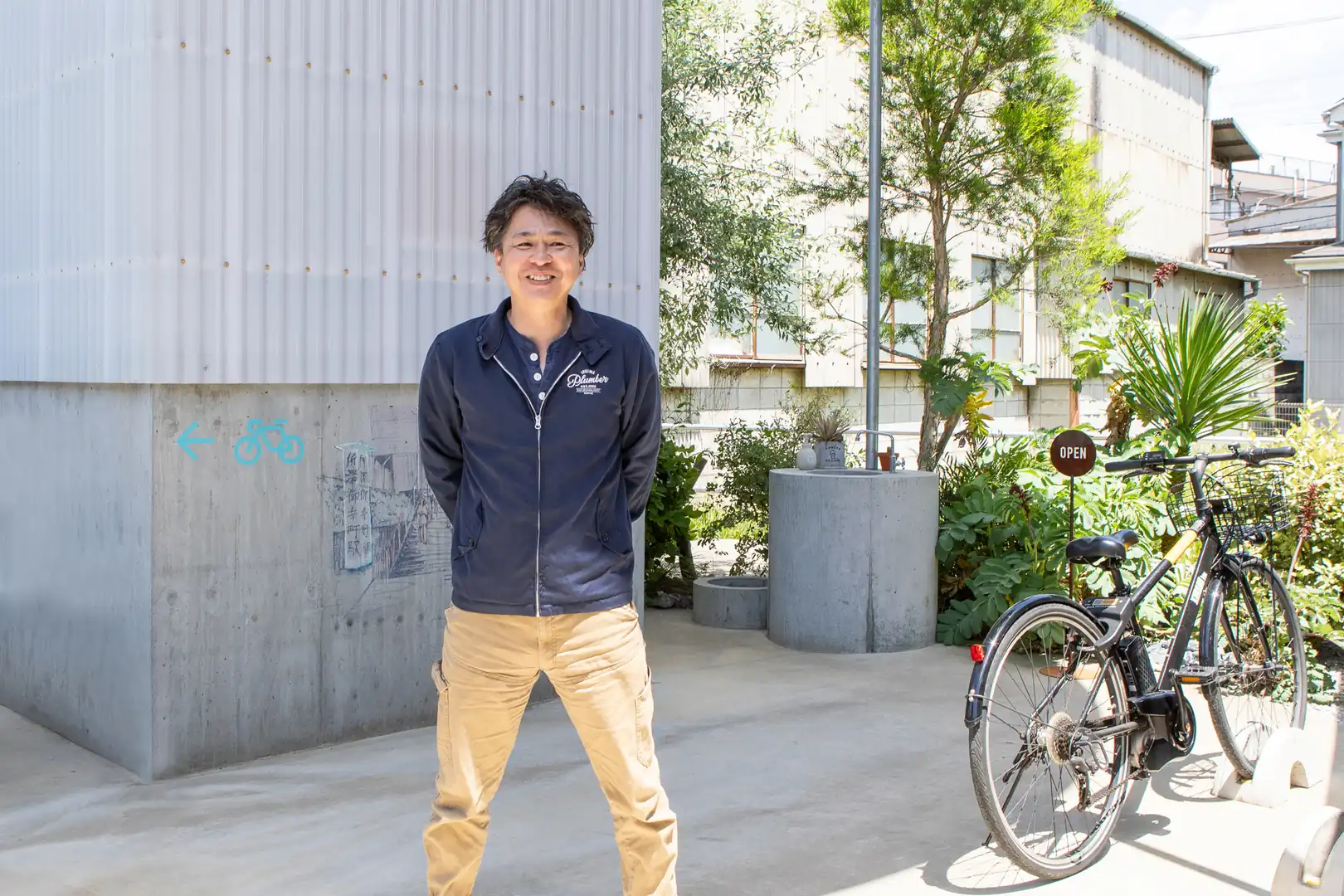
“Infrastructure Stand” in Tokorozawa City, Saitama Prefecture, is a public toilet as an extension of the showroom. Mr. Daigo Ozawa, CEO, Ishiwa Plumbing Ltd., says that he started with “a business strategy with an eye to the company’s future.” In the first part, we introduced the Infrastructure Stand as a gathering place for people, and the process in which the activities of the Infrastructure Stand spread to the community by involving companies and the government. What Mr. Ozawa is looking at next is disaster preparedness and toilet issues. The Infrastructure Stand is now not just a public toilet, but is about to become a testing ground for a closed-loop toilet that can function even in times of disaster.
Beyond the company’s activities is society (Part 1)
A plumbing company that built public toilets – you may imagine that this is one aspect of contribution to the local community, or a corporate social responsibility project. However, the “Infrastructure Stand” developed by Ishiwa Plumbing Ltd. of Tokorozawa City, Saitama Prefecture, is a bit of a different story. This project, which began with an extremely unique attempt to build a public toilet as an extension of their showroom, was also a business strategy with an eye to the company’s future: in the words of CEO Daigo Ozawa, “This is both a publicity tool and a recruitment tool.” After taking the company’s activities to their utmost limit, a place in which people come together is born, and the scope eventually broadens to encompass community and disaster preparedness, all while drawing in private enterprise and government. Rather than trumpeting their social contribution in a loud voice, the next step beyond the company’s activities is society. We asked about how this was put into practice.
Designing agricultural heroes (Part 2)
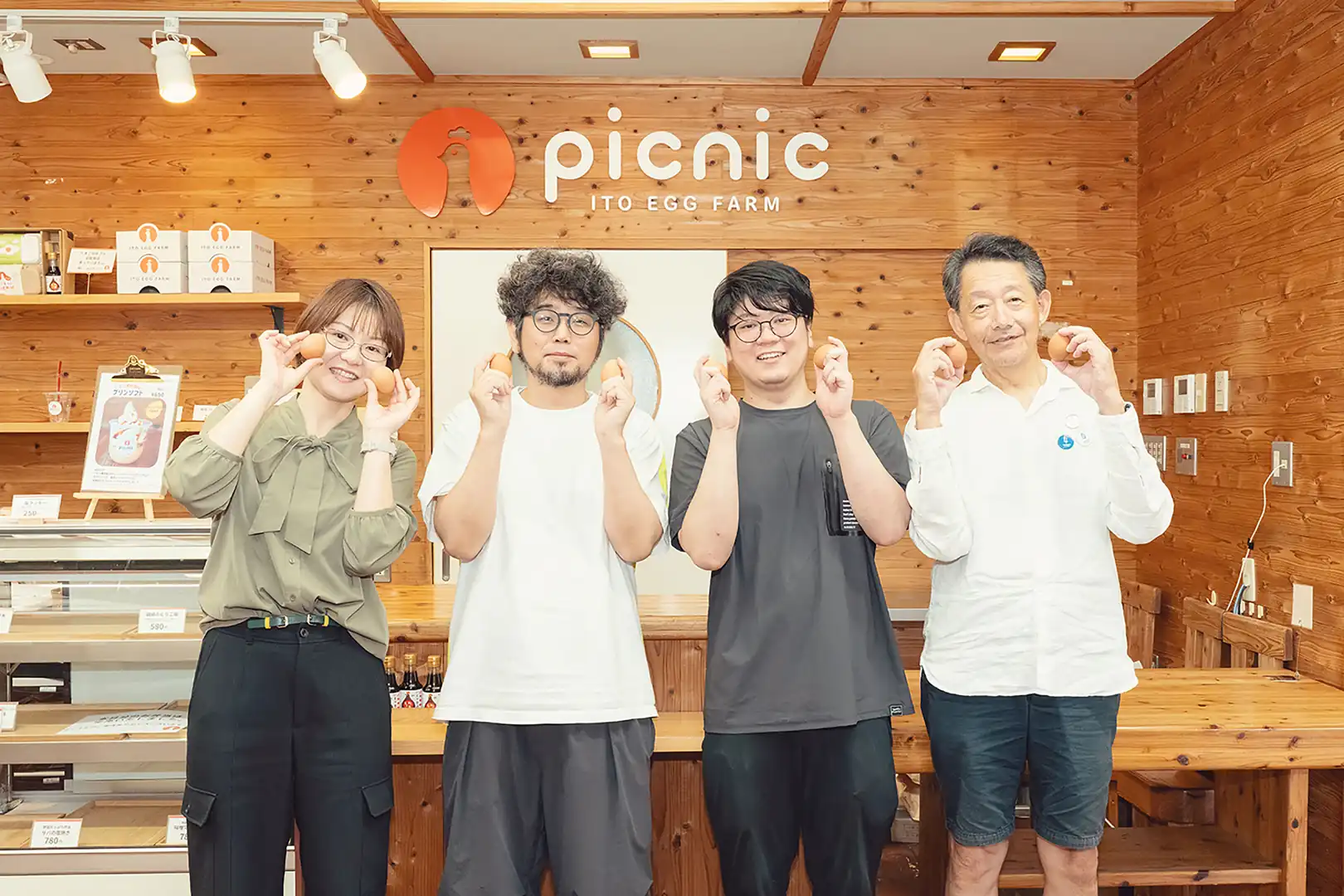
“Saga Agri Heroes”: introducing design to agriculture, supporting the producers to build their own brands. This original initiative won a GOOD DESIGN BEST 100 award in 2022. In Part 1, we introduced Saga Prefecture’s mechanism for incorporating design into local government and supporting the brand development of farmers by accompanying them over a long-term period of four years. In Part 2, we explore the challenges faced in the second phase, which is currently underway (2023-2026), the differences from the first phase, and the ways in which design is changing people and local communities.
Designing agricultural heroes (Part 1)
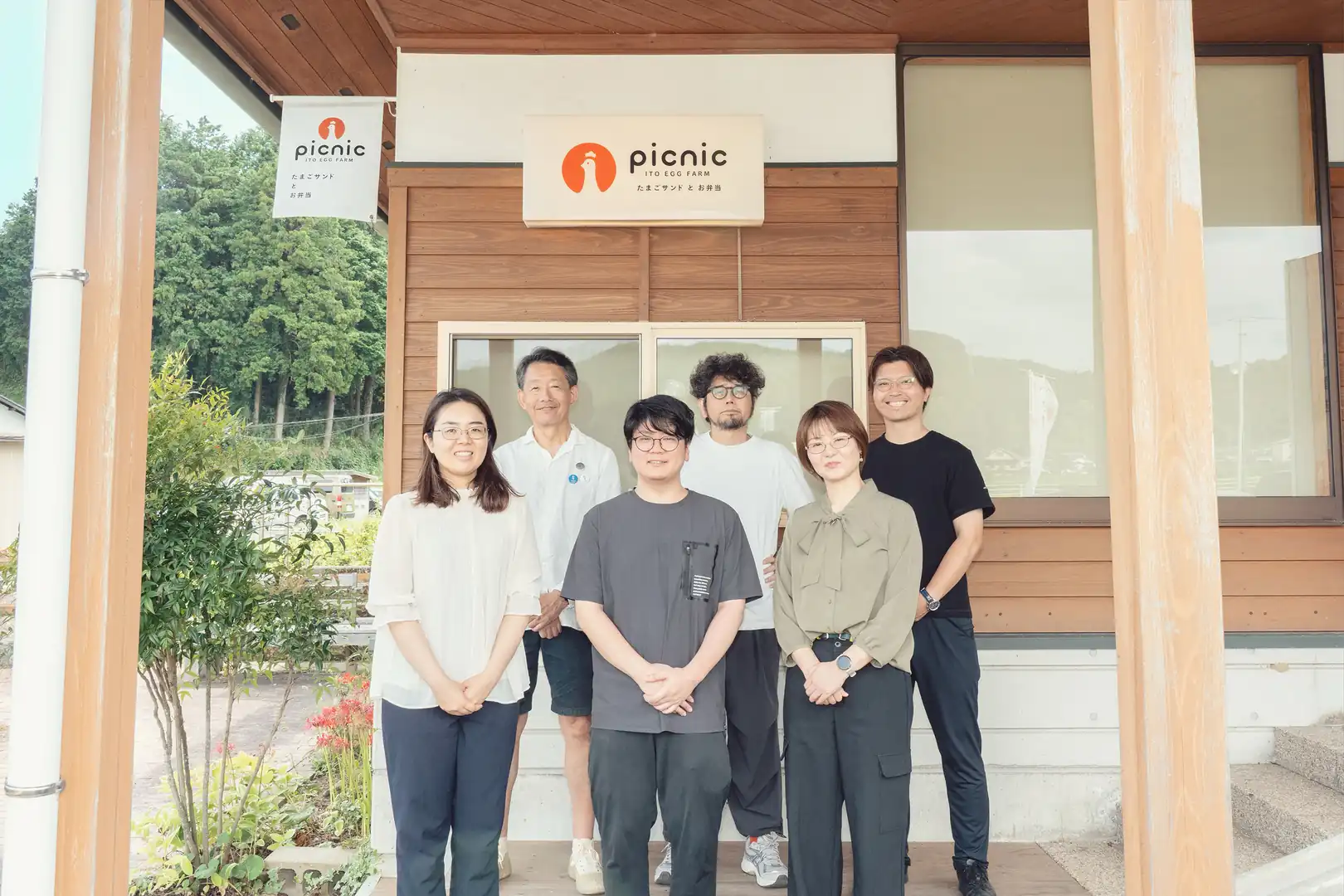
Introducing design to agriculture, supporting the producers to build their own brands... Saga Prefecture’s “Saga Agri Heroes” is generating new value in the local area through such highly original initiatives. In a context in which single-year subsidy programs are the norm, this initiative has instead adopted a four-year long-term support system in which farmers and designers work together to come up with ideas and develop products. A number of the brands created through collaboration between primary industries and design have attracted attention, and the project received a GOOD DESIGN BEST 100 award in 2022. In this article, we hear about it from its launch to the results of its first phase. We talked to Hiromi Ushijima of Saga Prefectural Government’s Agricultural Management Division and Issei Koga and Chika Sasaki of the prefecture’s Saga Design, producer Naoki Ezoe, Junichi Hayama of DEJIMAGRAPH, and Daiki Ito of Ito Egg Farm “picnic.”
Umbrella innovation that changes our daily lives (Part 2)
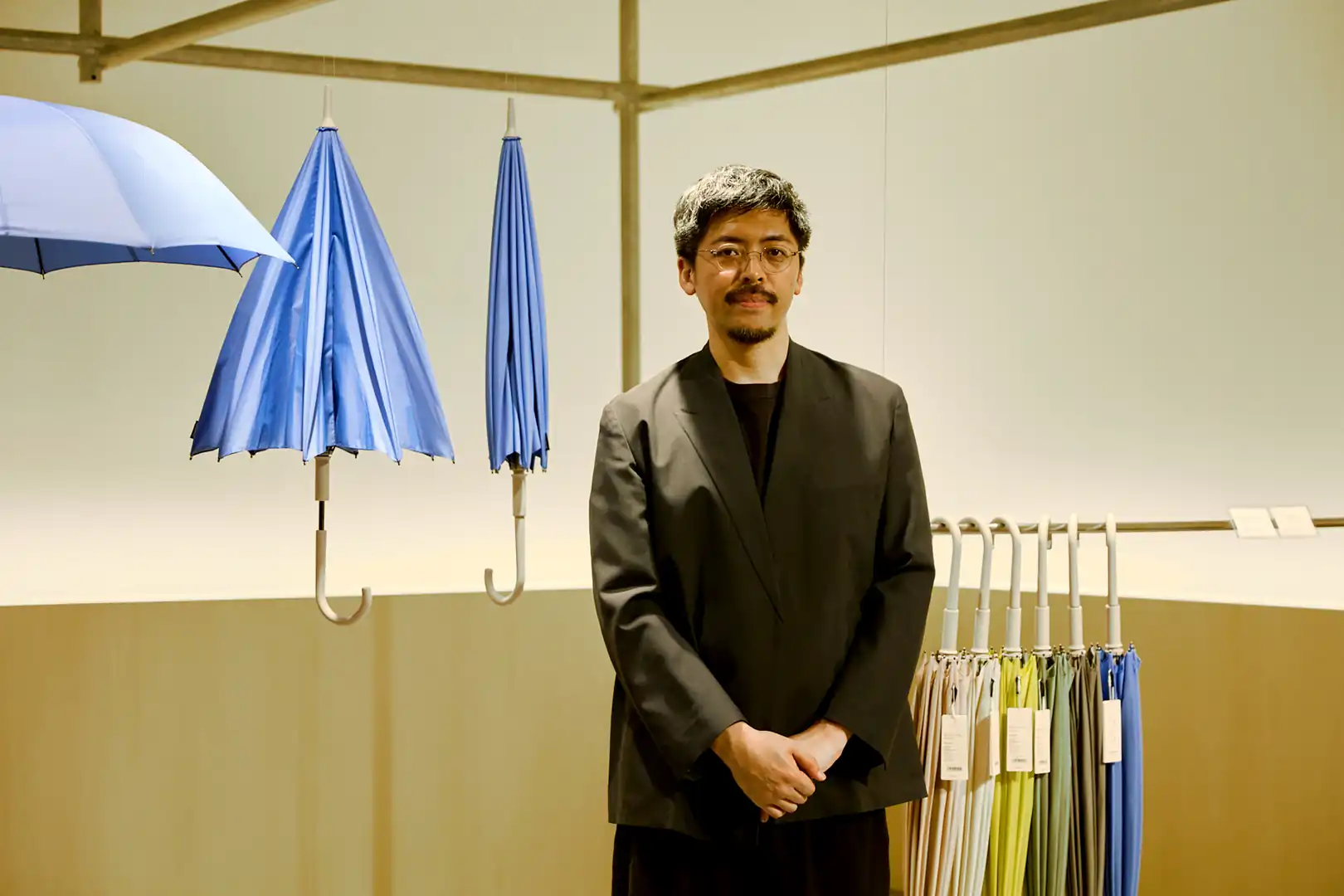
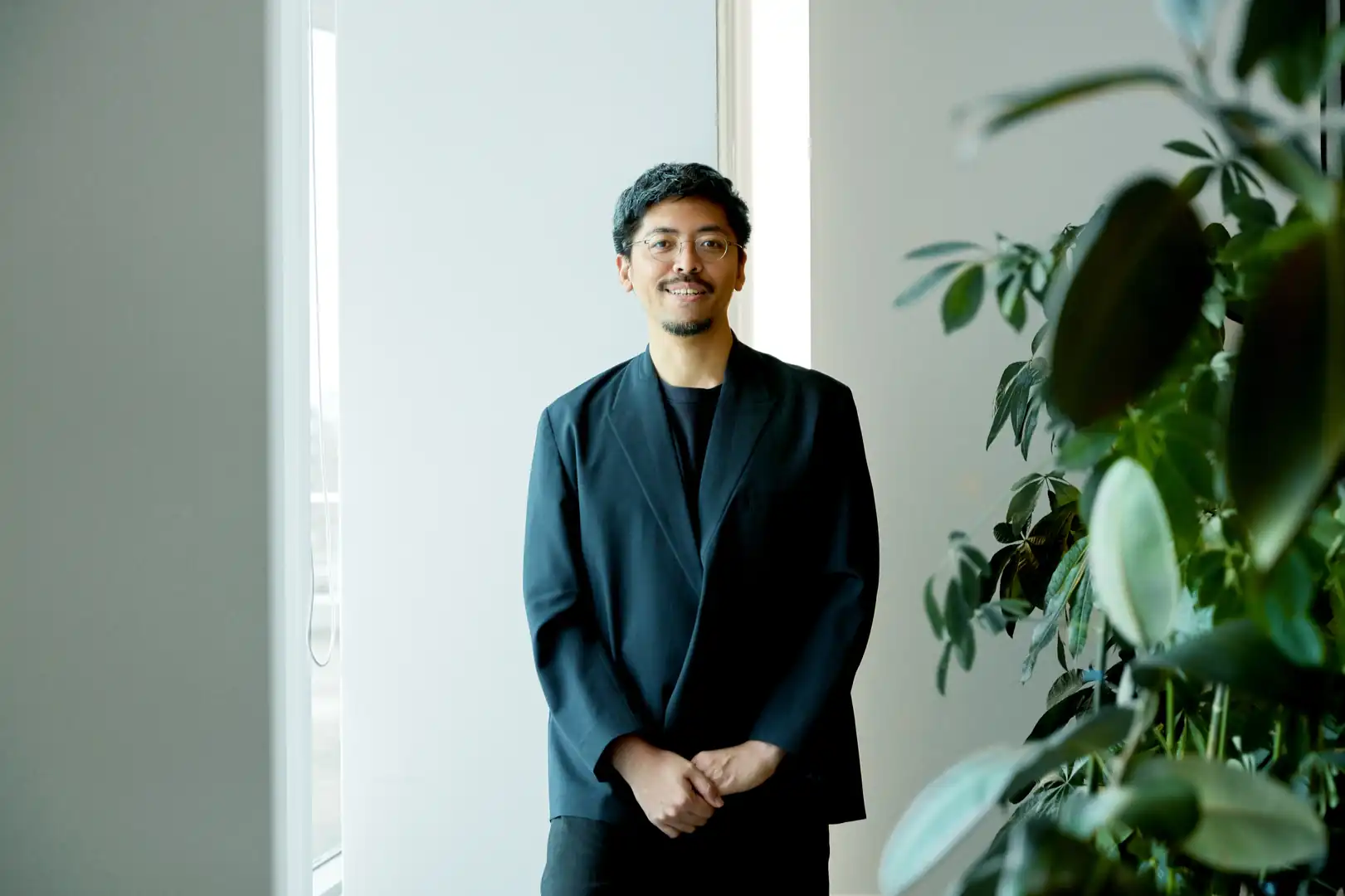
We should not overlook the “minor inconveniences” in our daily lives, but rather solve them through our own ideas... Starting from this stance, Marna Inc. has created many hit products. The Shupatto Umbrella, which was selected as one of the GOOD DESIGN BEST 100 in 2023, is an epoch-making product that revolutionized the very structure of umbrellas. In Part 1, we listened to the story behind the development of this umbrella, which was born from the idea of being able to fold it without getting your hands wet. In Part 2, we will unravel “Marna’s design thinking” which lies behind its product development.
Umbrella innovation that changes our daily lives (Part 1)
We should not overlook the “minor inconveniences” in our daily lives, but rather solve them through our own ideas... Starting from this stance, Marna Inc. has created many hit products. One of these, the Shupatto Umbrella, is an epoch-making product that has revolutionized the very structure of umbrellas. While folding umbrellas and design quality are the mainstream among the competition, this umbrella, which was born from the idea of being able to fold it without getting your hands wet, offers a new experience in which all the fabric comes together at once the moment you close it. And in 2023, it was selected as one of the GOOD DESIGN BEST 100. We interviewed Ryota Taniguchi, who led the development of this product, about the development process which spanned five years from the moment when the idea came into being, and the repeated trial and error which led to its commercialization.
The cats are the designers. My role is communications. (Part 2)
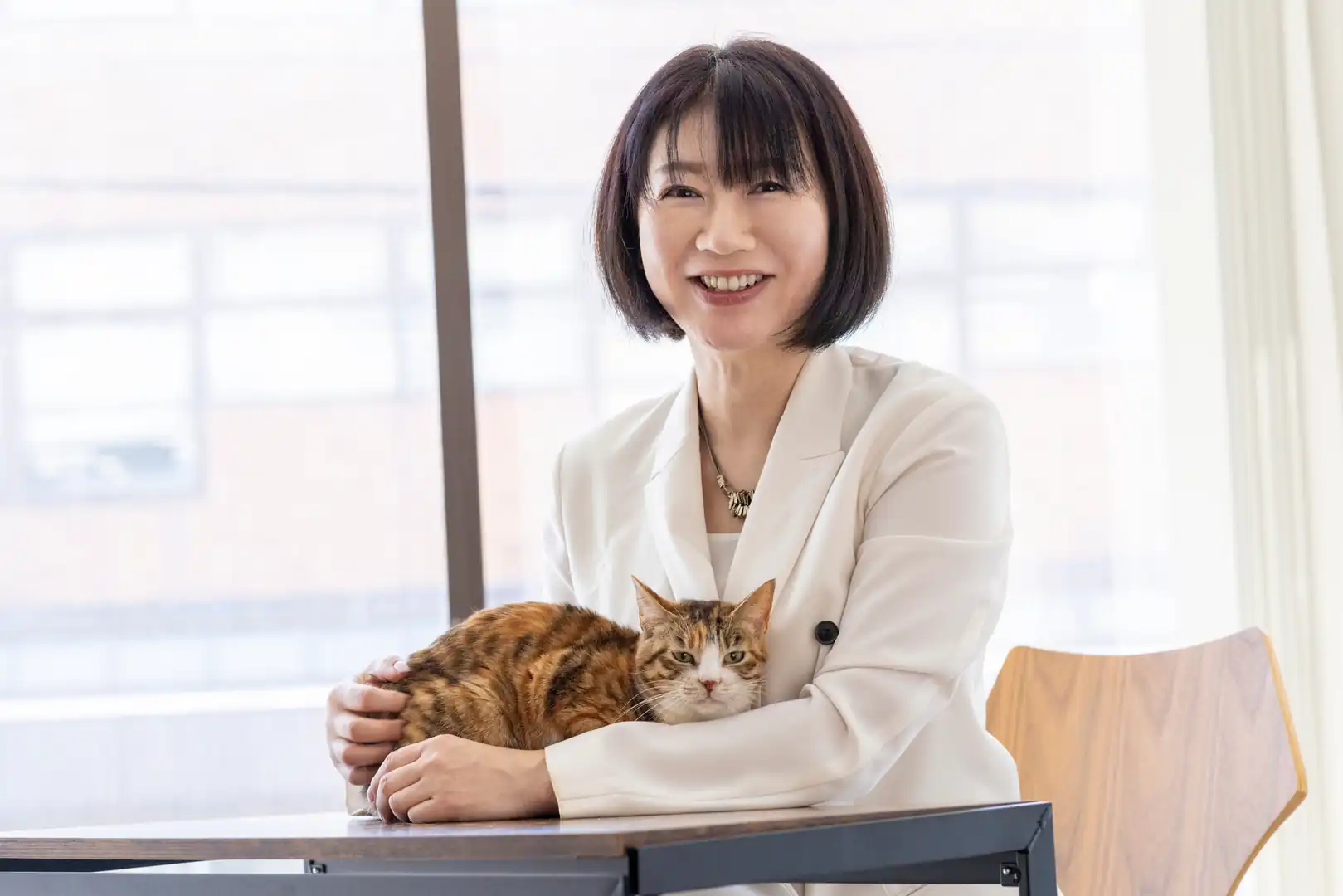
Yukako Futono turned her love of cats into a business by founding Cross Clover Japan. In Part 1, we asked her about developing products by thinking as a cat does, rather than prioritizing what suits humans. In recent years, the average lifespan of cats has increased dramatically, but at the same time, new issues have arisen. In Part 2, she tells us about the world which unfolds with cats as its starting point.
Planning/editing
Tomoko Ishiguro
After working in the editorial department of “AXIS,” she became a freelancer. She writes, edits, and plans, with a focus on design and life culture. Her major editorial works include LIXIL BOOKLET series (book, LIXIL Publishing) and “Oishisa no Kagaku” (magazine, NTS Publishing).