
What challenges should designers face now, as found at the GOOD DESIGN AWARDs.
FOCUSED ISSUES is a GOOD DESIGN AWARD initiative that depicts the future of design in society through the screening process.
FOCUSED ISSUES 2025
Free Design, Unleash Design
Oohito Subaru Micro Hydropower Plant: Design for the Future of the Village - Unanimous Consensus, Nearly 100 Million Yen in Funding, and Appearance that Blends in with the Community
2026.05.08
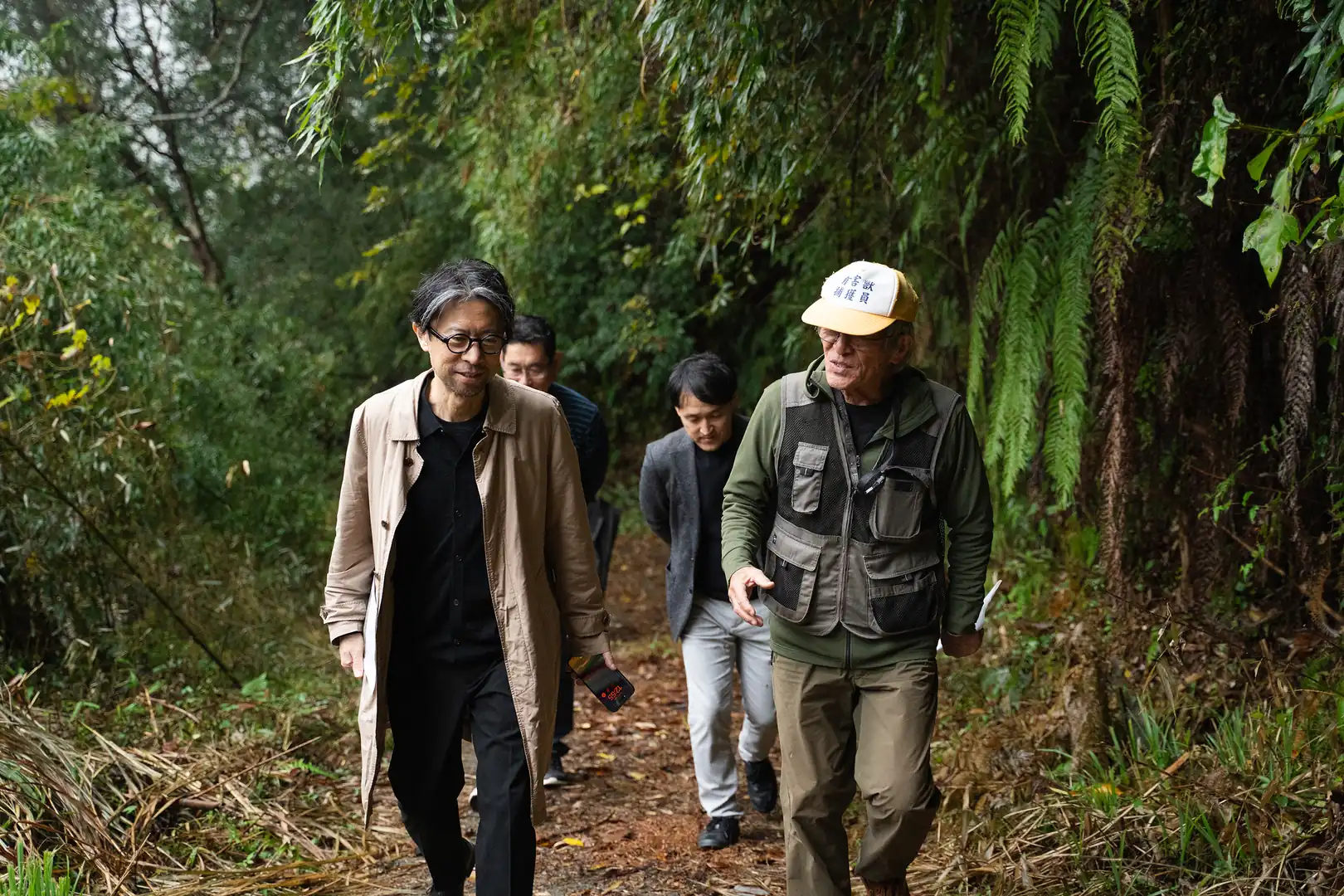
Yutaka Nakamura, Focused Issues Researcher, made a proposal in 2025: “Wild finance preserves the rhythm of indigenous life.” In the process of developing the proposal, he went to Hinokage Town in Nishiusuki Gun, Miyazaki Prefecture, to do fieldwork. It is a mountainous village with rice terraces and bamboo forest deep in the Kyushu mountains.
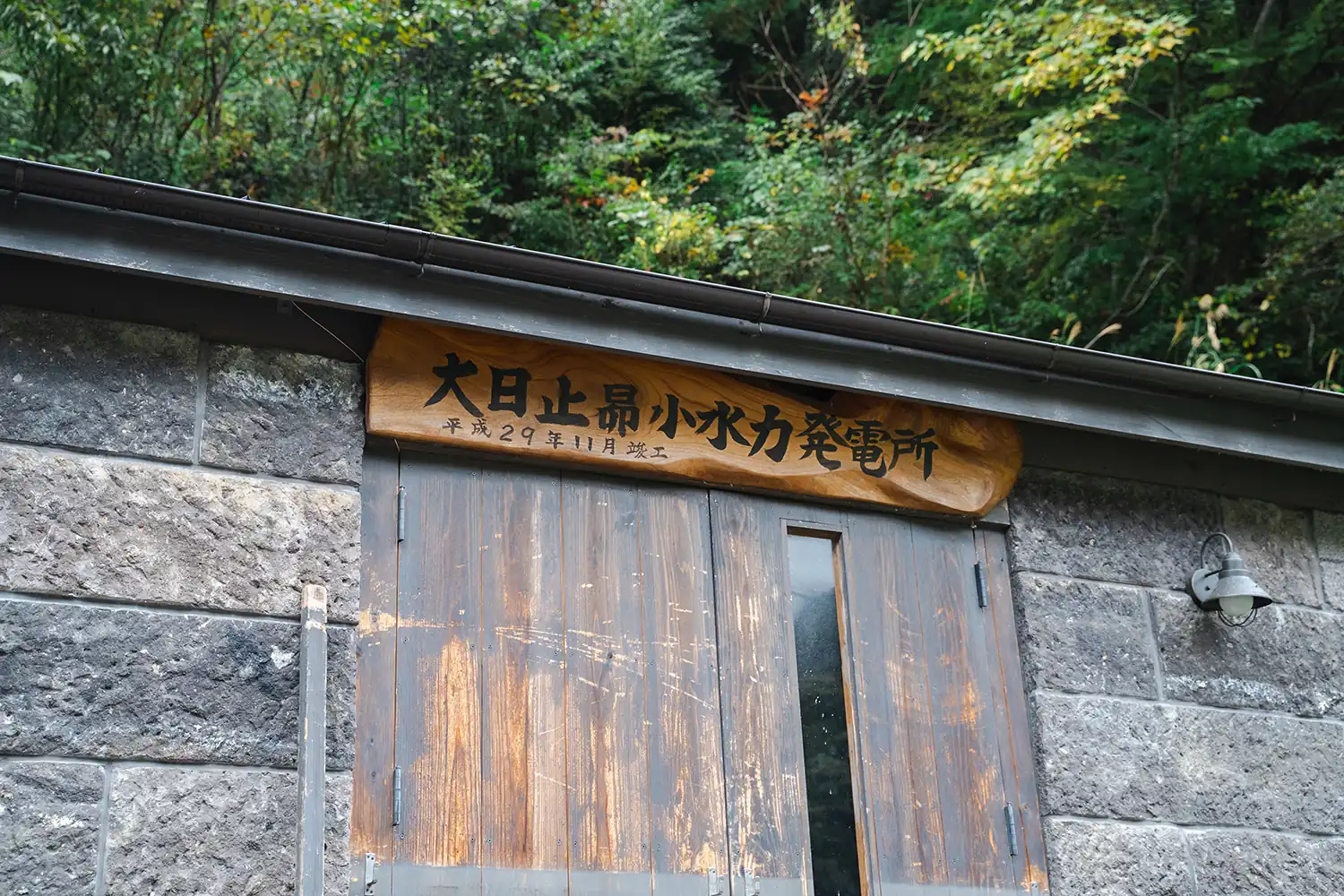
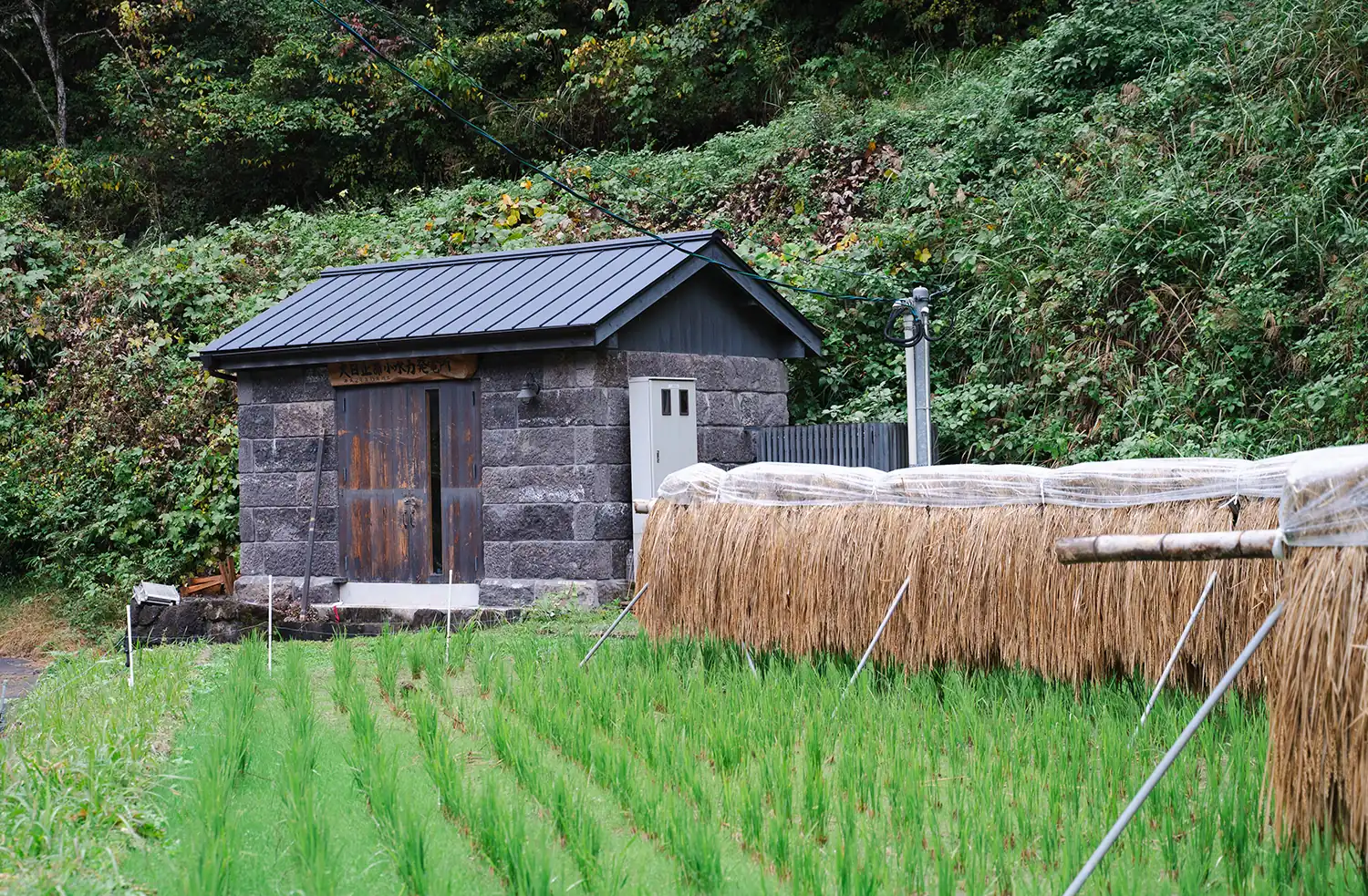
Oohito Subaru Micro Hydropower Plant started operating in November 2017. It is a facility that uses leftover agricultural water to generate electricity in the Oohito district consisting of 73 households. The agricultural water has been used since the Taisho Period, in the early 20th century. Utilizing local resources and the work system, they have transformed the village landscape into a pleasant and safe environment by blending in with the scenery, giving the revenue from power generation back to the community for the continuation of life, including irrigation and traditional performing arts. This was selected for the GOOD DESIGN BEST 100 in 2025 and received the GOOD FOCUS AWARD [Design of Community Development].
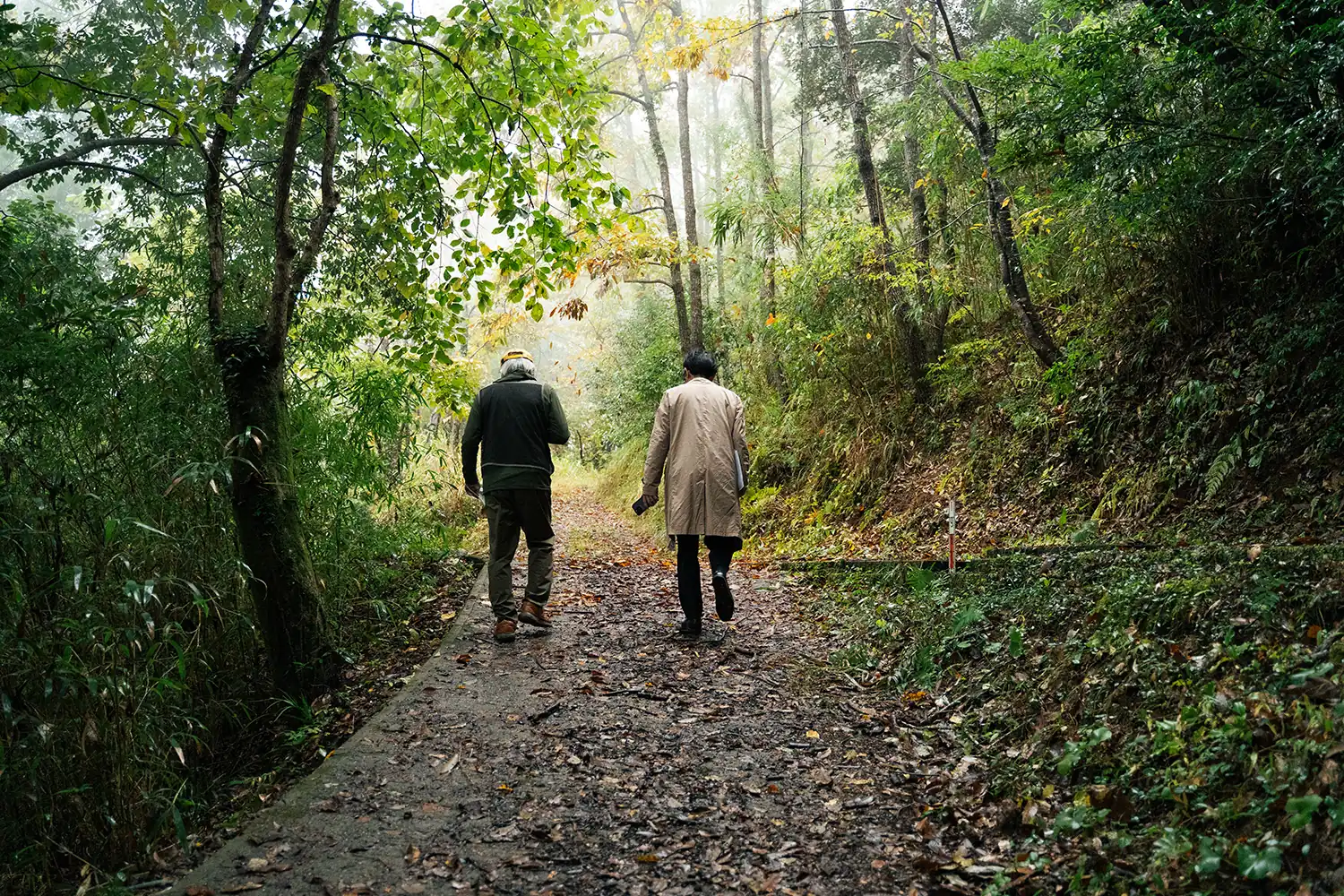
Together with Hiromichi Tanaka, representative director of Oohito Agricultural Cooperative for Power Generation (which is the principal implementing business), Terukazu Yamashita (River Village Ltd.), who was involved in the research design and commercialization of the power plant, and Tomoki Takebayashi (representative director of Takebayashi Landscape Architects), who designed the building and surrounding environment, I walked in the field and asked them how the power plant came to be; from the process of consensus building, a system created to raise funds, their experimental approaches, and the background of the design that blends in with the local landscape.
“I want to do something about the water we throw away.” The Beginning of Oohito Subaru Micro Hydropower Plant
Nakamura Oohito Subaru Micro Hydropower Plant was much talked about among judges. As an anthropologist, I wanted to see the actual plant. Thank you for this opportunity.
First, could you tell me about the Oohito district?
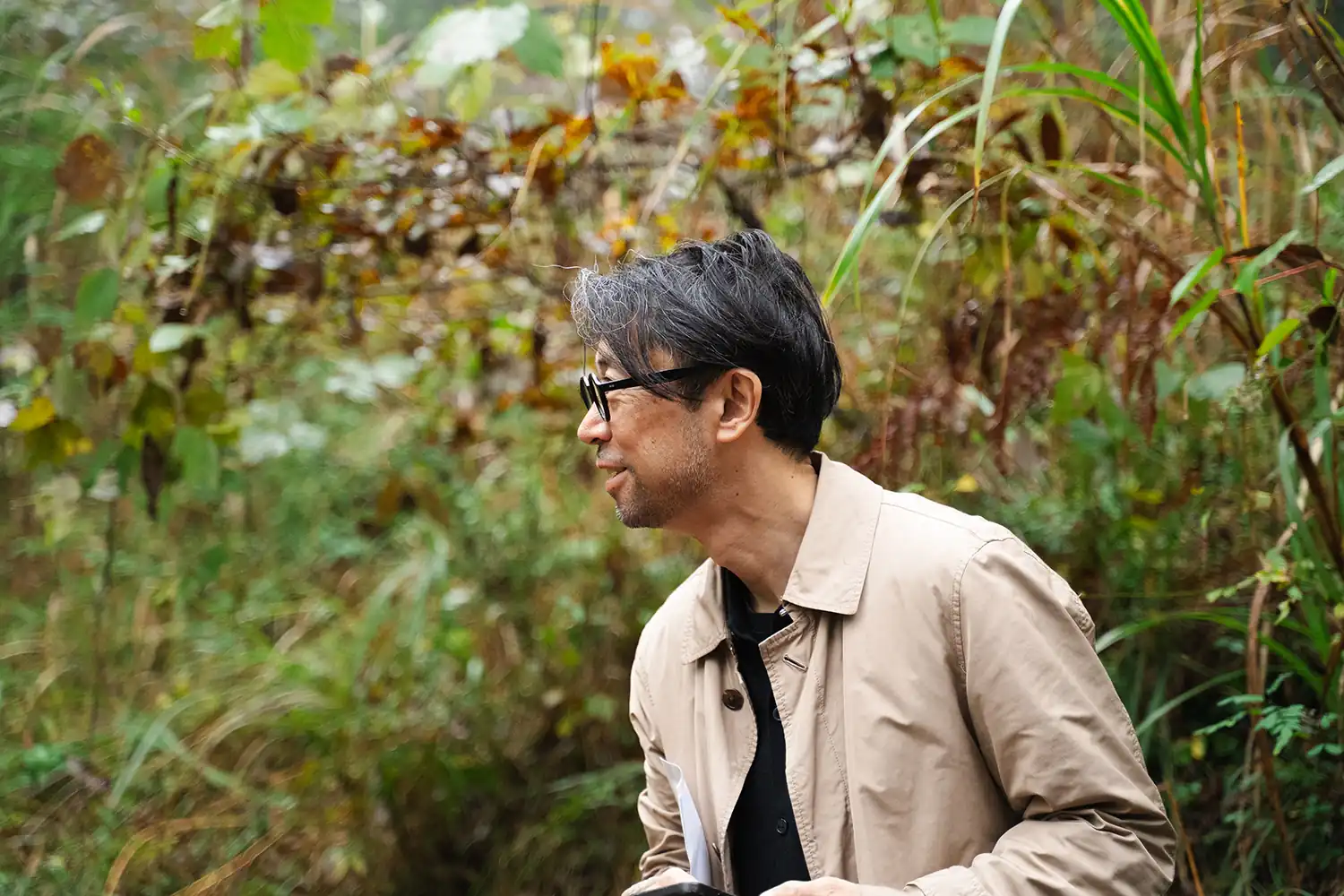
Tanaka Originally, there was almost no water in this area, only fields. There is a history that the fields were changed into rice paddies by drawing water from the river, and then farmers became able to support themselves.
Today, the population of the village is half that of the entire town. There are terraced rice paddies, but the fact is that large agricultural machines cannot be used because small rice paddies are terraced on steep slopes, and it is difficult to expand the scale.
Nakamura Were you born and raised in this area, and have you lived here ever since?
Tanaka Yes, that is correct. There are two traditional performing arts in this area, kagura and kabuki. I have been involved in kagura since I was 20 years old. Both are important to the community, but funds are needed to continue preservation activities. Micro hydropower generation is also a project to secure the funds.
Nakamura What led to the development of micro hydropower generation?
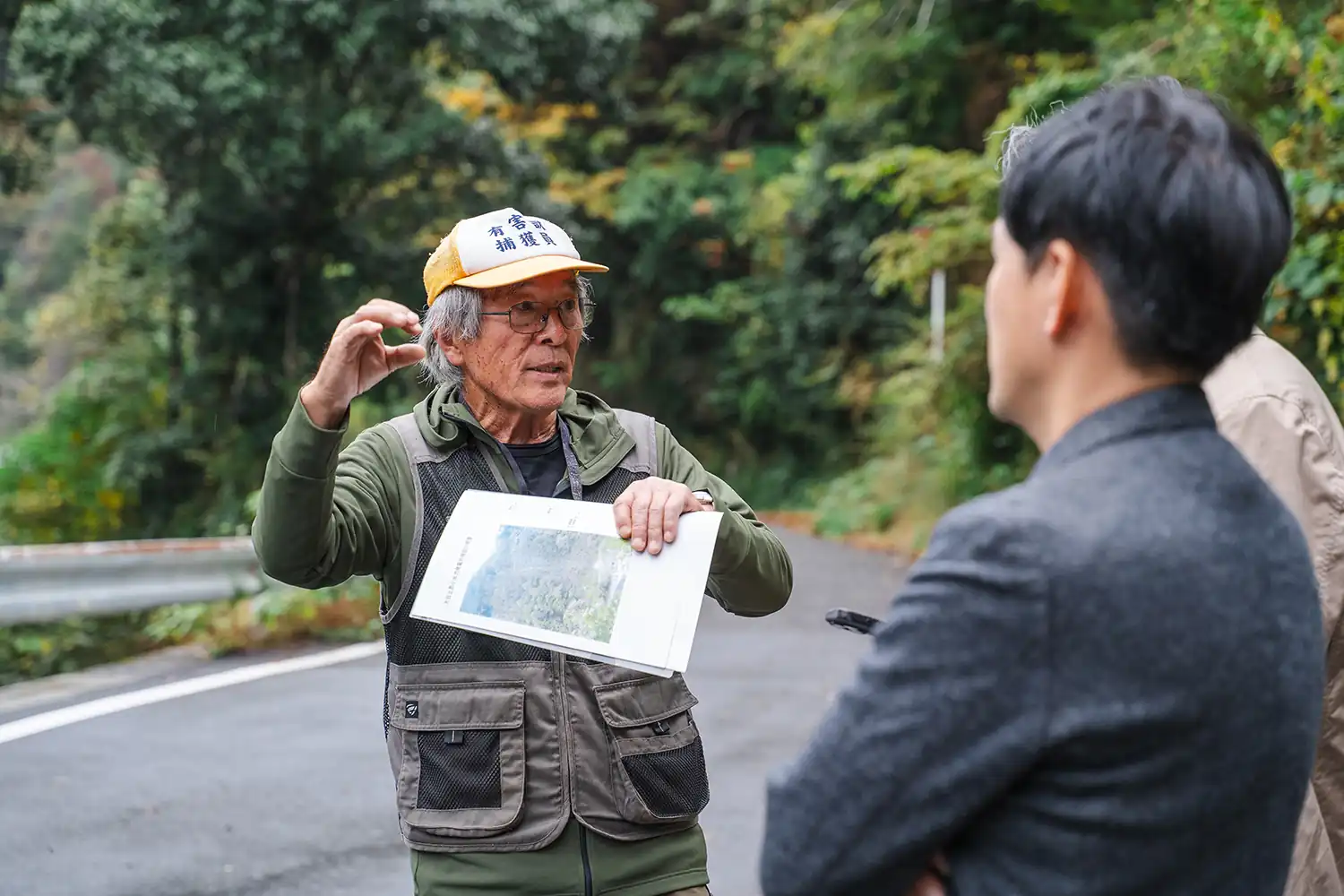
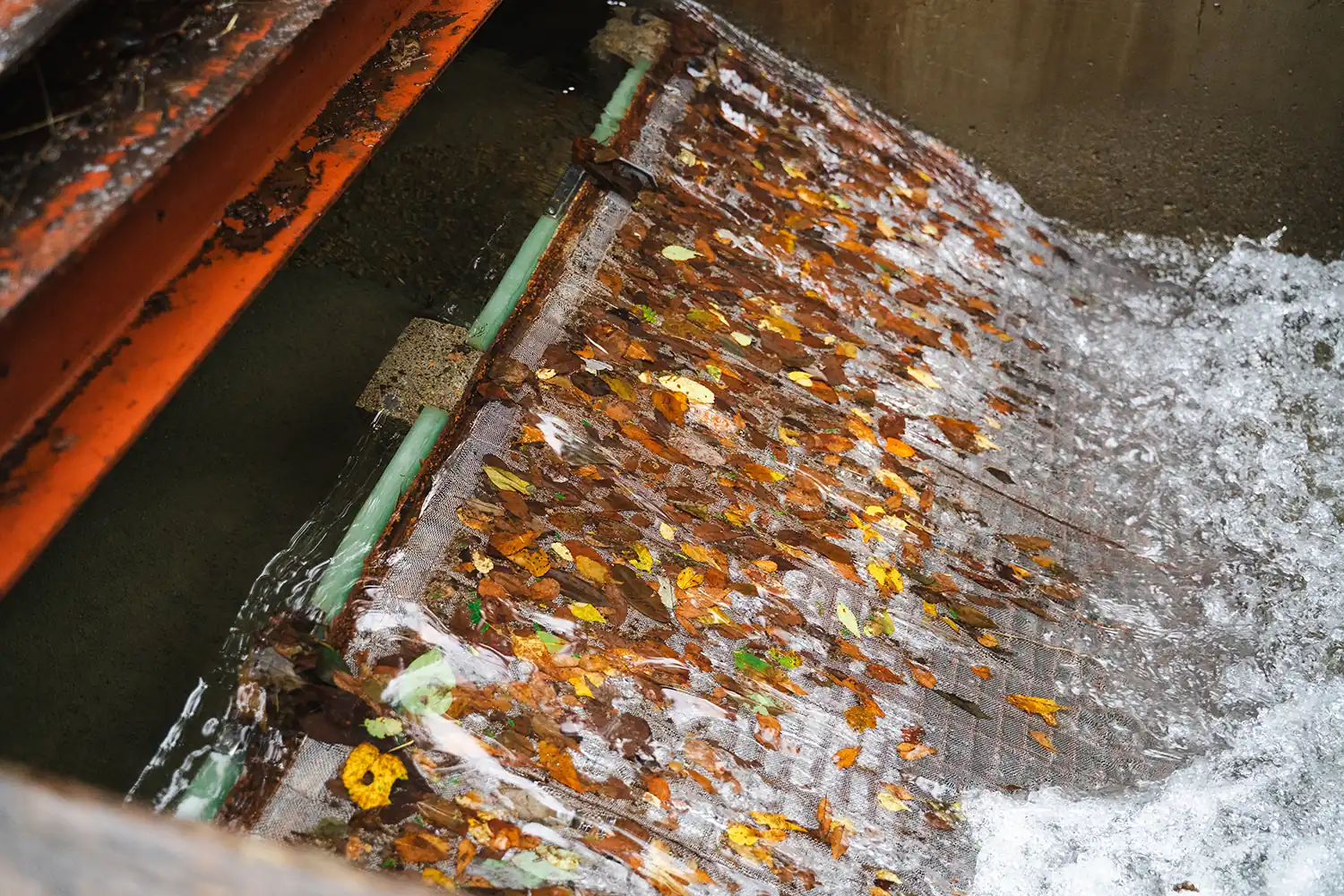
Tanaka In this area, water is used for rice paddies from April to September every year. During the rest of the year, water was left running and not used. I wanted to do something about the wasted water, and came up with a micro hydropower generation system. I thought it is possible to generate electricity using water left running because there are drops in the waterway.
Then, I kept telling people around me, “If you have any information on power generation, please let me know.” One day, information from Kyushu University came in.
Nakamura The information from Kyushu University is the research you were involved in, Mr. Yamashita?
Yamashita Yes. As a researcher at Kyushu University, I have been conducting research on small hydropower generation in Gokase Town near this village, for community development.
Small hydropower generation is a comprehensive project across various fields such as civil engineering, electricity, and machinery. On the other hand, these technologies are fragmented in society. Not much small hydropower generation is put into practical use. We have conducted research to resolve the fragmentation between technologies and develop more small hydropower generation in society.
Nakamura How did you two meet during that time?
Tanaka It just happened. It was a chance meeting due to our common interest.
Yamashita Yes, it was. It all started when a member of the laboratory of Prof. Yukihiro Nishimatsu, who specialized in river engineering and long studied the Gokase River basin, asked me to come to Hinokage Town. That's when I met Mr. Tanaka for the first time.
When I actually visited here, I found a place with enough water for agricultural use and enough drops for micro hydropower generation. However, if we actually do this, we need to consolidate rights and build consensus in the community. To be honest, I also thought it wouldn't be that easy.
Aiming for Unanimity: Building Consensus Supported by Kabuki and Kagura
Nakamura That’s right It is surprising that such a project has been implemented in a small village of 73 households. Even if the conditions are met, it may not be realized because a consensus cannot be reached. I think there are many such cases in the world, not only for micro hydropower generation. What do you think made it happen in the Oohito district?
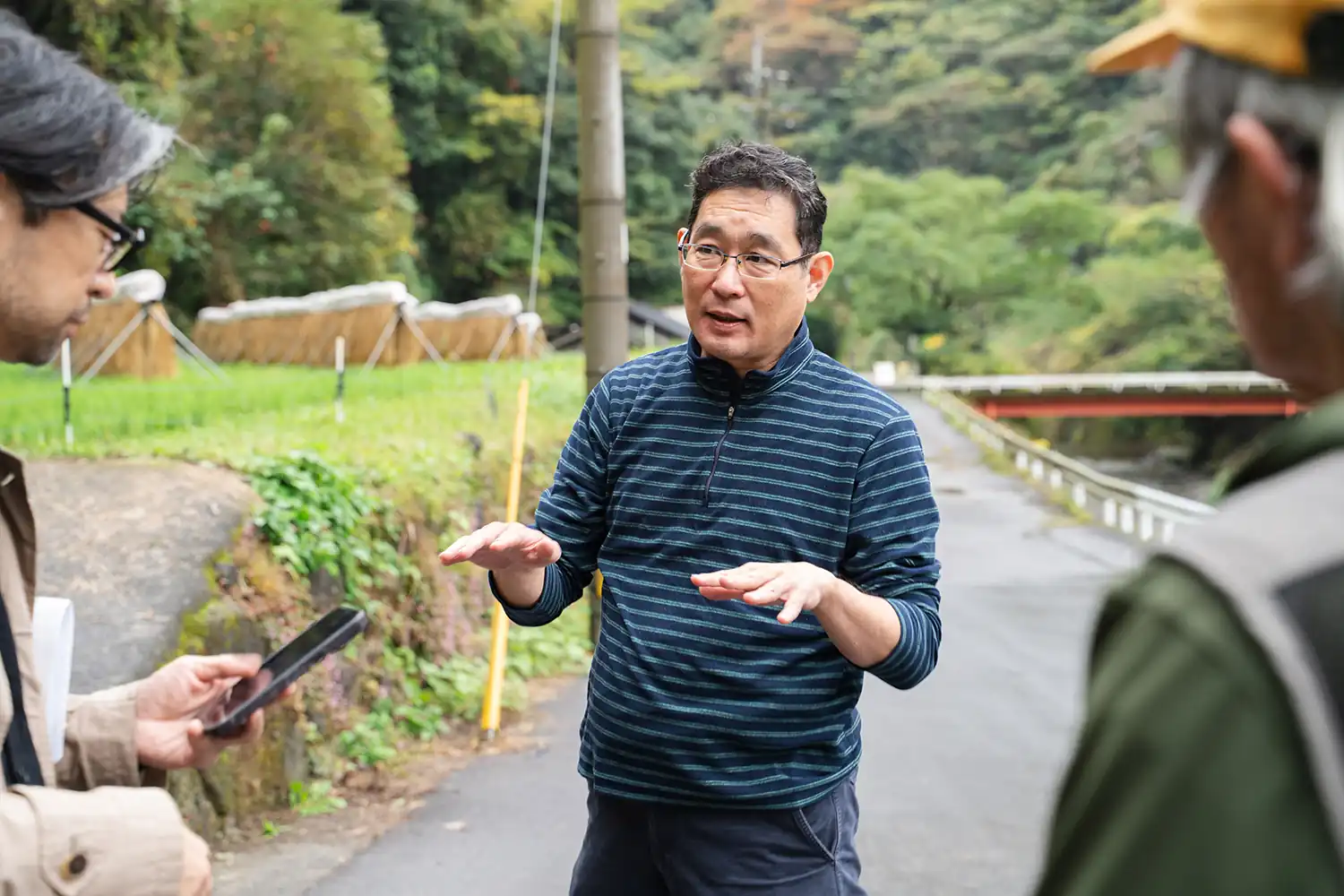
Yamashita There was a sufficient base for consensus building. In kabuki and kagura, the traditional performing arts of the district, men stand on the front stage and women take background roles. Above all, teamwork is important. The teamwork has taken root as the basis for decisions throughout the village. That's why they are willing to discuss and decide among themselves, and it's easy to do.
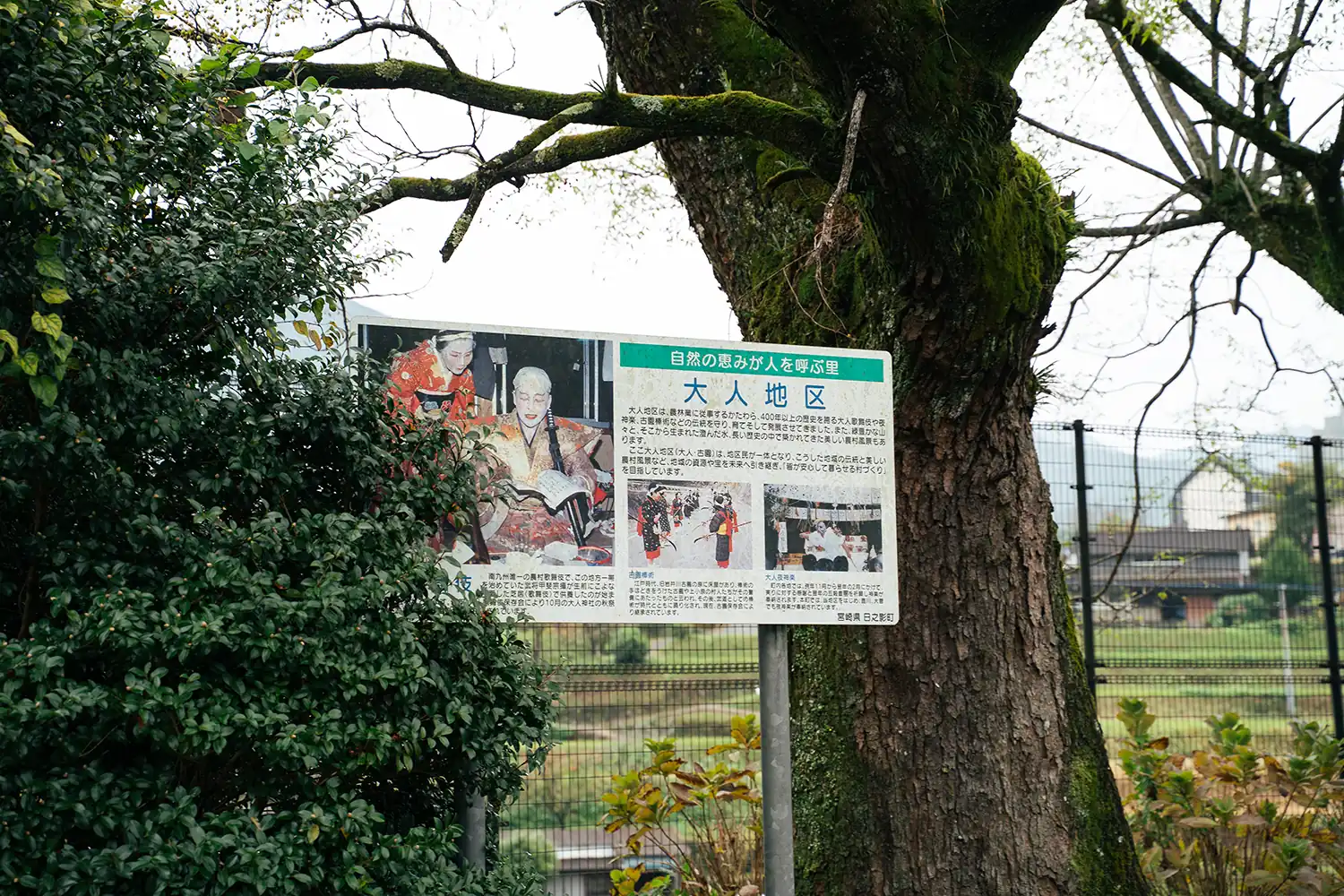
Nakamura From a cultural anthropological point of view, I think kabuki and kagura are not only traditional performing arts but also function as “cultural devices” to support consensus building through the events that are repeated every year. This is the foundation of this power generation project.
Yamashita That may be so. The interesting thing is that because it is a village of kabuki, discussions gradually become dramatic. One person said, “From my point of view, I wanted to disagree.” Like, I'm against it because nobody's against it. Someone plays an opponent. They asked, grinning. “What about this?” and “What if this happens?.” The fact that there are opposing opinions even if they are not asked shows that everyone is thinking seriously. That's why I was rather happy that there were opposing opinions.
Nakamura It's interesting. How did you lead toward the final resolution?
Yamashita For each year, we reported the results of our survey at the general meeting of Oohito Agricultural Cooperative for Power Generation. At the second annual general meeting, a person who worked with Mr. Tanaka on this project said, “From here on, let's proceed by “unanimity,” not by majority vote.” From there, we set the goal of creating a plan that everyone could agree on, and worked on it over a year. As a result, the final resolution was passed unanimously.
Nakamura Earlier you mentioned about the role of an opponent. How did you deal with opposing opinions?
Yamashita I always went to hear those who expressed strong objections. Those who disagree loudly are by no means selfish. They can look at issues that no one else is aware of because they think about their community independently.
If an objection is overridden by a majority vote, the person will no longer be involved. It's a small community with 73 households. If even one person drops out, this project won't work. I understood that this was the reason for the “unanimity.”
Implementing “Wild Finance” that Utilizes Own Resources
Nakamura The principle of unanimous agreement, their experimental approaches to realize it, and the existence of traditional performing arts in the background. They are all very unique and interesting. On the other hand, how was the financial situation? It costs a lot of money to complete this type of project.
Tanaka To start the micro hydropower generation project, we decided to collect capital from all 73 households. At first, I asked for 50,000 yen per household. They said they live on the national pension and can't afford 50,000 yen. (laughs). Even 40,000 yen is expensive, even 10,000 yen is expensive ... In the end, we settled on 4,000 yen per household.
Nakamura The amount has dropped considerably from the original plan.
Tanaka Yes, that is correct. I thought that what was important was not the amount of money but that everyone should contribute. That's why we were able to lower the amount without hesitation.
However, the project costs about 100 million yen. There are also government subsidies, but they are granted only after the plant is constructed and inspected. In other words, someone has to pay for it until then. I asked Miyazaki Bank for a loan. But they wouldn't approve a loan of 95 million yen without collateral.
Nakamura 95 million yen without collateral. That's not going to be easy.
Tanaka Yes. In Tottori Prefecture, there was a cooperative association engaged in a similar micro hydroelectric power generation project. They borrowed without collateral from a finance corporation. I learned that, and went to financial institutions and explained the details of our project from the research stage.
Miyazaki Bank didn't take action. So, one day I went to a branch of Kagoshima Bank for advice. They said, “It's an interesting project, we'll go see it tomorrow.” On Saturday, they came even though it was a day off. After I explained everything, they said they would do it. I talked about it at the branch of Miyazaki Bank, and their expressions changed. They called the head office, and the loan was decided.
Yamashita In terms of water rights*1, we have realized a system that is probably unique in Japan. Originally, if a new water right is acquired for power generation, the water right for the existing rice paddies is subject to review, and the amount of water that can be used for a community is reduced. This is the scariest for farmers.
This time, it is farmers themselves who engage in the power generation business. So, when the rice paddies need water, they can turn off the power and let water flow. The prefecture also acknowledged that there would be no problem as long as it was shared among the local communities.
*1 Rights necessary to use river water for a specific purpose (agricultural water, power generation, etc.). The amount and period of water intake is submitted to the prefecture to obtain permission. Although the Oohito district had the water right for the rice paddies (irrigation water right) since the Taisho period, it was necessary to newly acquire a water right for power generation to start the power generation business.
Nakamura I see. Both financing and water rights are not based on existing systems, but rather a combination of natural resources such as landform, water, and human relationships. How much is the profit from power generation now?
Yamashita Our annual revenue from electricity sales is about 10 million yen. All the electricity generated is fed to the Kyushu Electric Power system and purchased by the new power company. The revenue is used for the costs of irrigation canal management and traditional performing art preservation activities. For example, this covers the electricity costs for a local gibier processing facility, and also provides grants to community centers in the surrounding villages.
Design of Power Plant that Blends into the Landscape with “Respect” for the 100-year-old Infrastructure
Nakamura I have heard about consensus building and financing, but there is another feature of this power plant that should not be overlooked. It is that the power plant blends into the local landscape through excellent design.
In addition to the system, the appearance of the building is also a factor in not disrupting the rhythm of indigenous life. Mr. Takebayashi, you were in charge of the design. How did you start working with River Village?
Takebayashi It was the year I became independent in Fukuoka, and didn't have much work to do. I worked as a researcher at River Lab in Kyushu University one or two days a week. Next to the lab, River Village was working on a project for this power plant. It is a connection made by the river lab. It was also my first job after becoming independent.
Nakamura How did you approach the design of the power plant?
Takebayashi The water supply in this area started in the Taisho period, and has continued for more than 100 years. I wanted the power plant to be able to sustain itself for a long period of time, because water was borrowed from this historic infrastructure to generate electricity. “Respect” for this place guides the design.
With that in mind, I aimed to make the design blend into the scenery of farming and masonry, rather than its existence imposing on the surroundings. As part of efforts to make the building as compact as possible, I installed the wetproof power generation equipment outside.
Nakamura I feel it fits perfectly into the scenery. What was a clue to the design?
Takebayashi When the power plant was built, it was rice harvesting season. I saw the farmers and the people building the power plant sharing the same water flow and working together. I felt that the scenery was what this area was all about.
Based on that experience, I focused on the unique context that had taken root in this land for much longer than the history of 20- to 30-year-old architectural and civil engineering methods. I thought that the power plant could be used for a long period.
Nakamura Did you bring up the idea of applying for the GOOD DESIGN AWARD?
Takebayashi I was talking to Mr. Tatsuro Sato from River Village and decided to apply. This plant will probably last for more than 100 years. For the future, we wanted to create an opportunity for local people to realize that “this is something of value” through external evaluation.
Nakamura Finally, do you have a vision of what kind of place you want this power plant to be in the future?
Yamashita What we learned from the initiative of Oohito Subaru Micro Hydropower Plant is that the goal is not only to generate electricity. It is for local people to become more independent. It’s for them to talk about their future in their own words, from their historical and cultural background. I realized that what I wanted to do was to continue to deliver the power necessary for these goals to the community. I hope that I can make these goals happen through the micro hydropower generation.
Nakamura How do you see the future of the village, Mr. Tanaka?
Tanaka With an aging population and a declining population, we can't protect our community unless we all work together. Under such circumstances, not only the local people of the district but also people from outside the town work together to liven things up, including kabuki and kagura. Usually it seems difficult for people from outside to enter other villages. However, we would like to continue to get help from people from outside as much as possible. I hope that our initiative of micro hydroelectric power will be one of the driving forces for this.
Nakamura What I actually saw and felt was your stance and passion to create a system on your own, based on culture and resources available, rather than depending on existing systems and subsidies. It is to regain the initiative without disrupting the rhythm of indigenous life. I look forward not only to power generation, but also to the future of this community. Thank you very much for talking with me today.
Hiromichi Tanaka
Representative director of Oohito Agricultural Cooperative for Power Generation
Based in Hinokage Town, Miyazaki Prefecture, he operates the Oohito Subaru Micro Hydropower Plant while also engaging in hunting wild boar and deer. The captured game is processed into high-quality gibier products. Through the Hinokage Town Tourism Association, smoked meats made from the processed gibier are sold under the brand name “Oohito Gibier,” named after the Oohito district where the processing facility is located.
Terukazu Yamashita
Director of River Village Ltd.
Specializes in interpreting regional history and topography to explore how local communities and landscapes were formed. Currently conducts independent research across Japan, visiting shrines and temples to study the historical and cultural foundations of the country as a whole.
Tomoki Takebayashi
Landscape Architect, Founder CEO at Takebayashi Landscape Architects Ltd.
Based in Itoshima and Fukuoka, Tomoki is engaged in both private and public projects through collaboration with partners across various fields, focusing on the perspective of sustainable and holistic landscape creation. He also serves as a part-time lecturer in the Department of Architecture at Kyushu University, a landscape advisor for the City of Kitakyushu, and a short-term consultant for the World Bank Group (2019, 2024). Major projects include the landscape design and management of “Sanuki Toki no Naya” in collaboration with Michio Tase of Plamtago, as well as the Toryūzu Children Garden for the “Children Hydroelectric Power Plant in Toryūzu.”
Yutaka Nakamura
Anthropologist, professor at Tama Art University, representative of Atelier Anthropology, KESIKI Inc., design anthropologist and cultural anthropologist
Design anthropologist. Professor at Tama Art University’s Liberal Arts Center. Representative of Atelier Anthropology LLC. Responsible for insight design at KESIKI Inc. At the same time as working on research topics such as the social design of violence and violence reduction on the “edges,” he has also been involved in social implementation together with a variety of companies, designers, and managers. At Tama Art University, he leads the Circular Office and Tama Design University’s Division of Design Anthropology. He has authored books including “Walking on the Edge of America – Anthropology of Travel” (Heibonsha, 2021) and “Echoes of Harlem – Voices of Muslims Living on the Streets” (Editorial republica, 2015).
Tomohiro Kurimura
Writer/Editor
Born in Aichi, his professional skills include gathering information, writing, editing, and project management. Manager, De-Silo “Unknown Unknown.” He is also active in multiple business companies, startups, and Web media. He graduated from the School of Humanities and Social Sciences, Waseda University. He has competed in baseball, basketball, karate, track and field, and handball. He lives in Kanagawa with a cat and a rabbit.
Izumi Ono
Photographer/Designer
She was born in Nobeoka, Miyazaki Prefecture, in 1997, graduated from Department of Integrated Design, Tama Art University, and belongs to Onokobo Design LLC. She is involved in regional design and projects mainly in the northern part of Miyazaki Prefecture.


Related Articles
What is the happy relationship between design and management? – Shingo Torii and Aki Hayashi
Aki Hayashi, Focused Issues Researcher, made the proposal “design centripetal force in the age of centrifugal force” in 2025. She asked Shingo Torii, Chairperson of the Osaka Chamber of Commerce and Industry and Representative Director, Vice Chairman of the Board of Suntory Holdings Limited, for dialogue to deepen the proposal. The full text of the dialogue is presented, including episodes that could not be included in the report due to space constraints.
Design which “overwrites the operating system of society,” spreading out from “city center parks” – Yuki Yamada with Naoki Ota
Focused Issues Researcher Naoki Ota made “overwriting the operating system of society” a keyword in his 2025 proposal. He focused on the “Chiyoda City Park Development Plan 2025,” which reimagines the 58 parks in Chiyoda City as a whole, as a real-life example embodying this phrase. Yuki Yamada (CEO of Tetor inc.), a landscape and civil engineering designer, took charge of the overall design. Ota spoke with Yamada to explore the possibility that this thought and method of park development which looks to the next 100 years could “spread” nationwide.

Exploring “centripetal force” design from the Sigma BF, which is pervaded by a return to the roots
Aki Hayashi, Focused Issues Researcher, put forward “design centripetal force in the age of centrifugal force” as her 2025 proposal. The example which she cited as embodying this proposal was the Sigma BF, a full-size interchangeable lens mirrorless camera which won the 2025 GOOD DESIGN GOLD AWARD and the ECONOMY, TRADE AND INDUSTRY MINISTER'S AWARD. Through a dialogue with Kazuto Yamaki, CEO, Sigma Corporation, and Hanna Morita, Manager, Brand Strategy Section, International Marketing Department, we explored the source of the centripetal force that was born by "carrying through" a concept.