
To the place where "good design" was created
Good design, excellent design, design that opens up the future, ideas that move people's hearts, and actions that lead society always have small beginnings.
Interviews with designers at the birthplaces of good design to find hints for the next design.
Destination
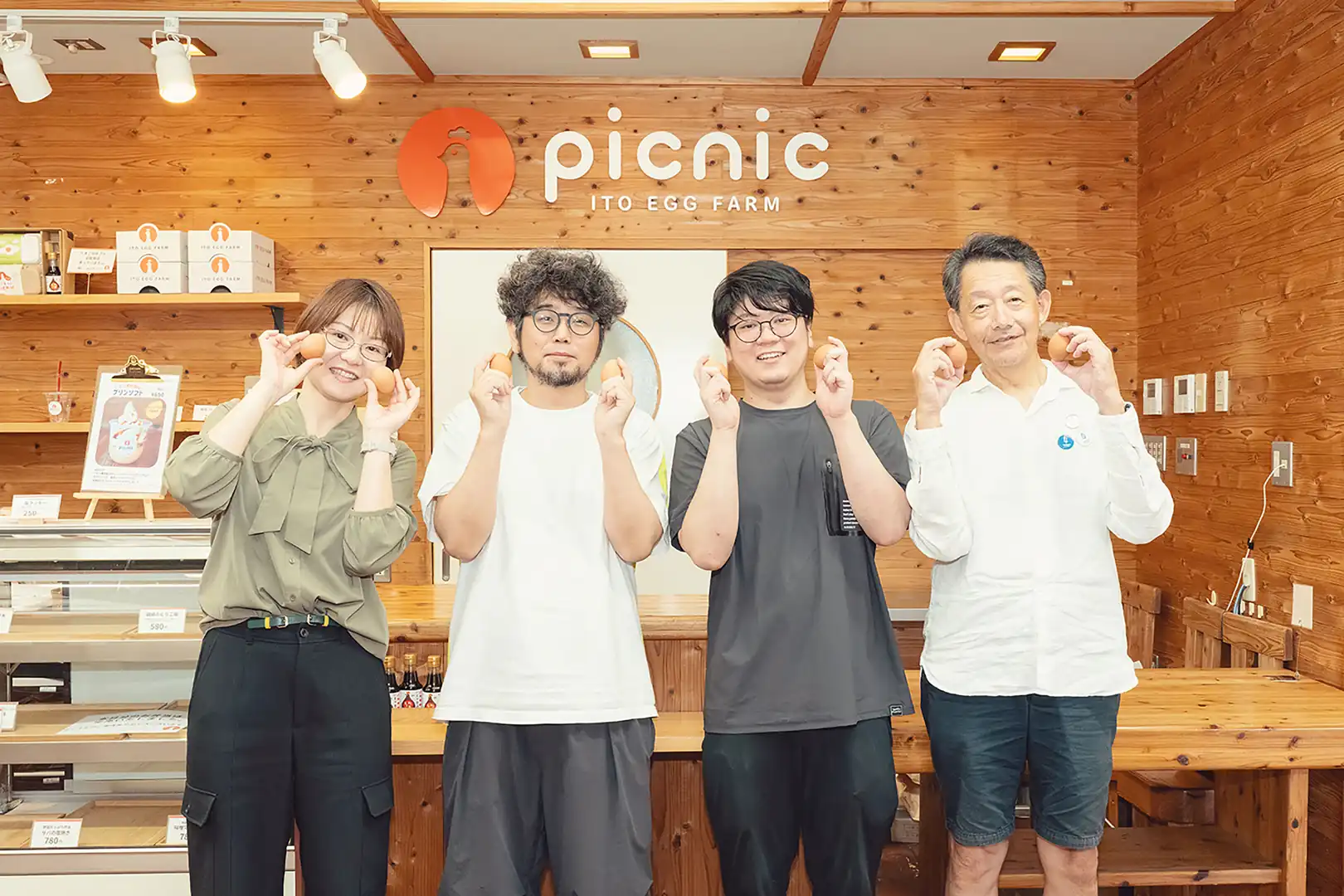
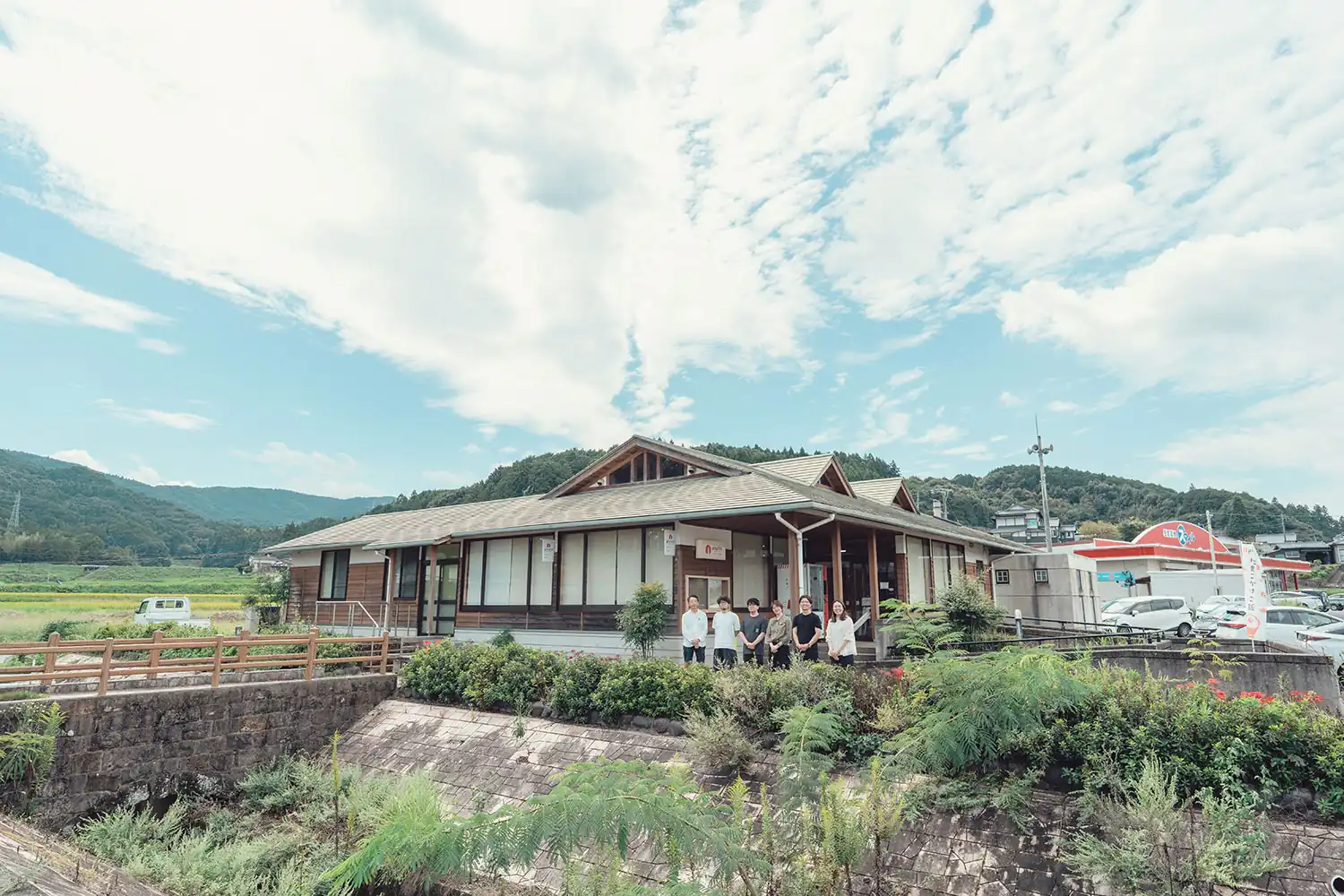
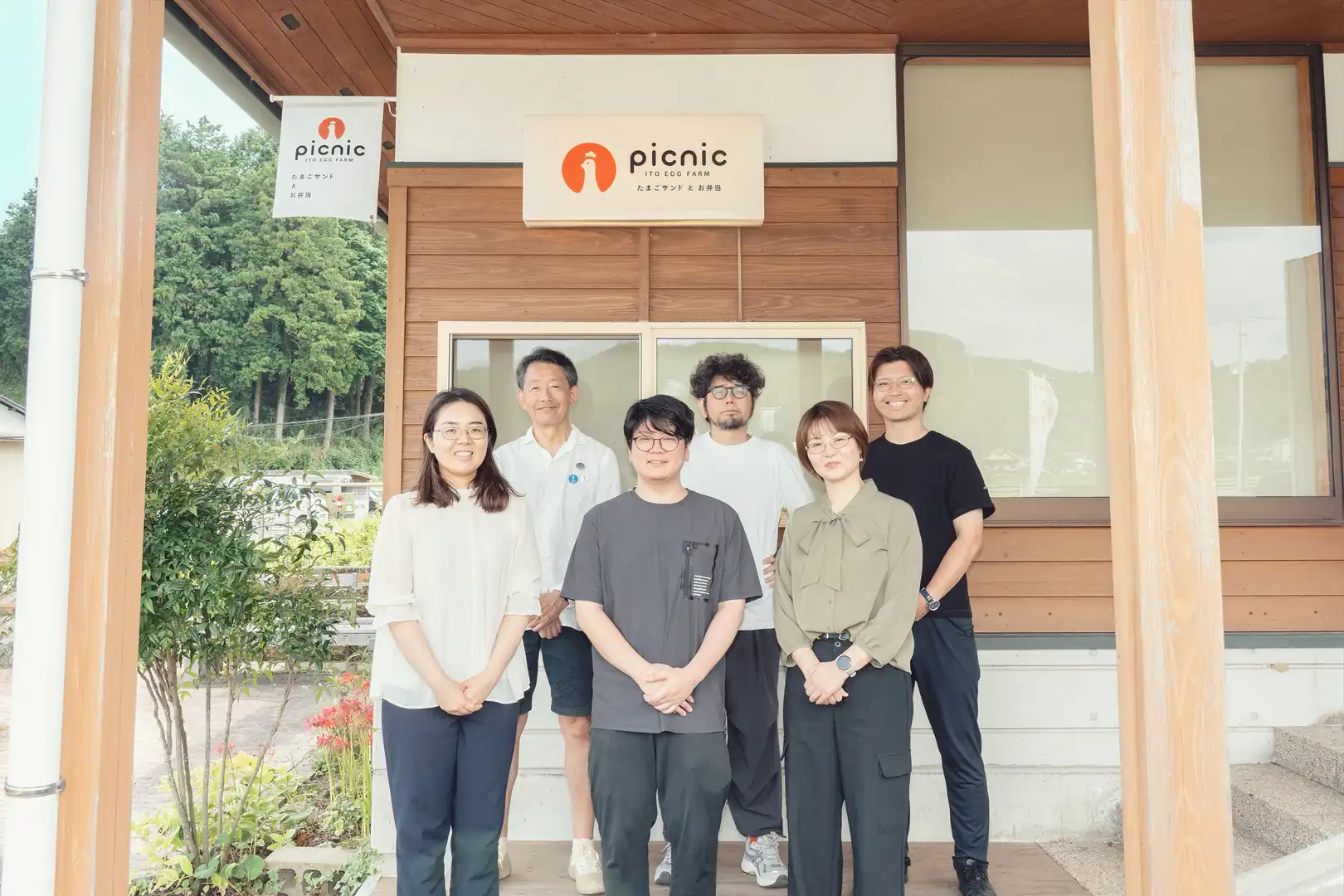
Agricultural Management Division, Agriculture, Forestry, and Fisheries Department, Saga Prefectural Government/ Saga Design, Policy Promotion Team, Policy Department, Saga Prefectural Government/ Bunbo/ DEJIMAGRAPH/ Ito Egg Farm “picnic”
Designing agricultural heroes (Part 2)
2025.12.19
“Saga Agri Heroes”: introducing design to agriculture, supporting the producers to build their own brands. This original initiative won a GOOD DESIGN BEST 100 award in 2022. In Part 1, we introduced Saga Prefecture’s mechanism for incorporating design into local government and supporting the brand development of farmers by accompanying them over a long-term period of four years. In Part 2, we explore the challenges faced in the second phase, which is currently underway (2023-2026), the differences from the first phase, and the ways in which design is changing people and local communities.
What kind of farmers did the second phase bring together?
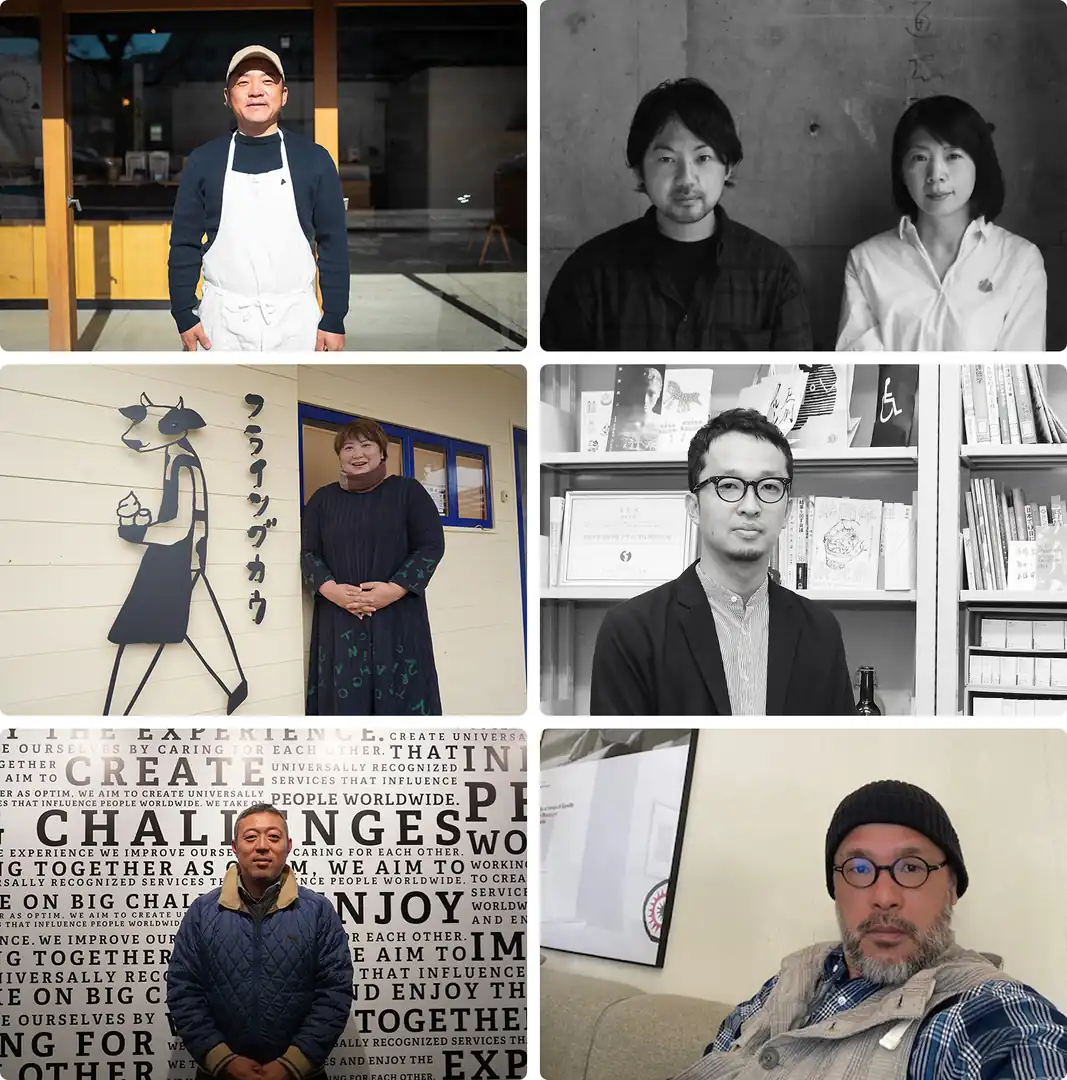
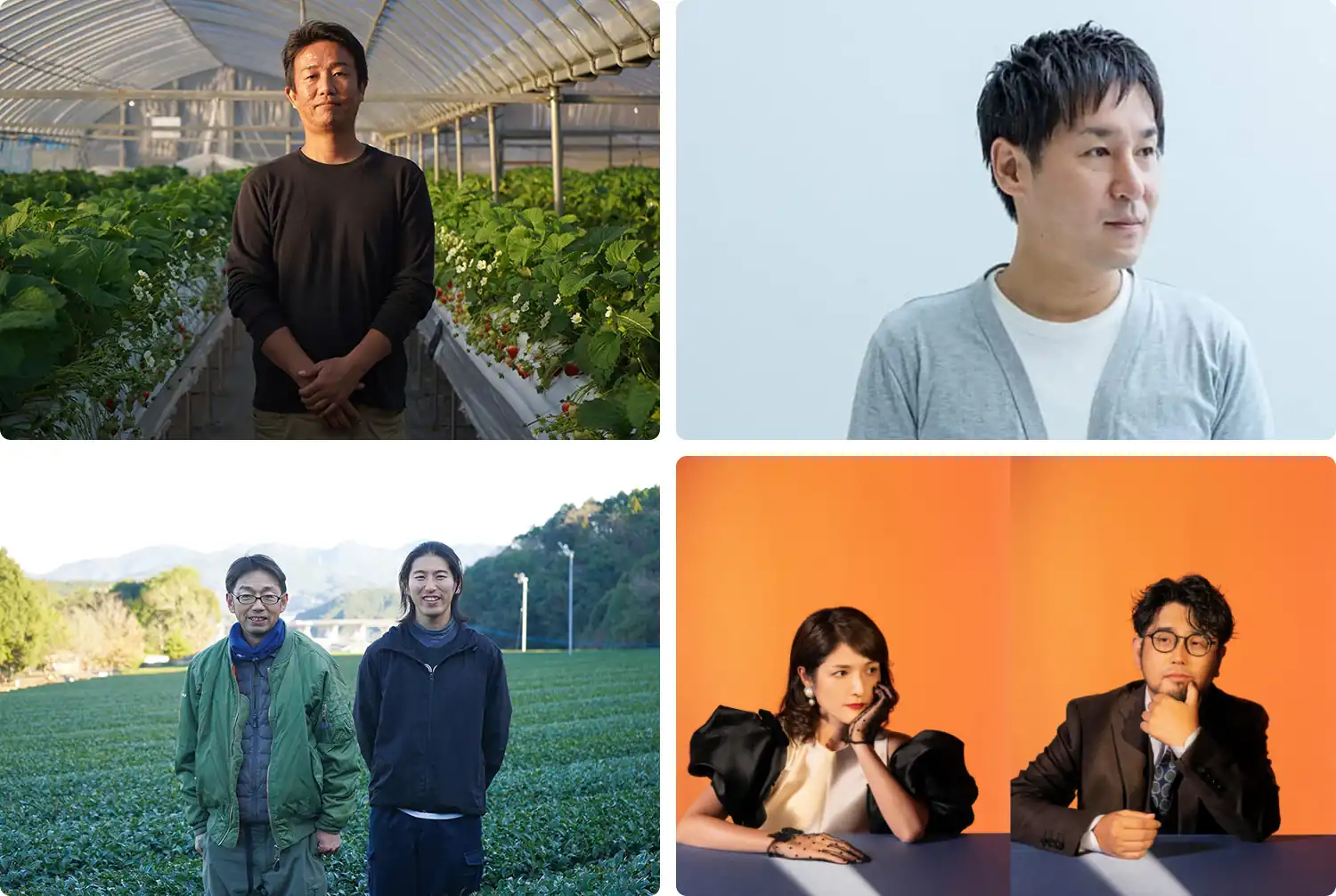
– Saga Agri Heroes is now moving ahead with its second phase. What kind of farmers has it brought together?
Naoki Ezoe (CEO, Bunbo) I have the impression that there were many farmers with a high level of awareness right from the application stage, partly because the number of people who thought “I want to give it a go, too” increased after seeing the initiatives in the first phase.
For that reason, most of the farmers are already selling products or running farm experience businesses, developing projects under their own steam.
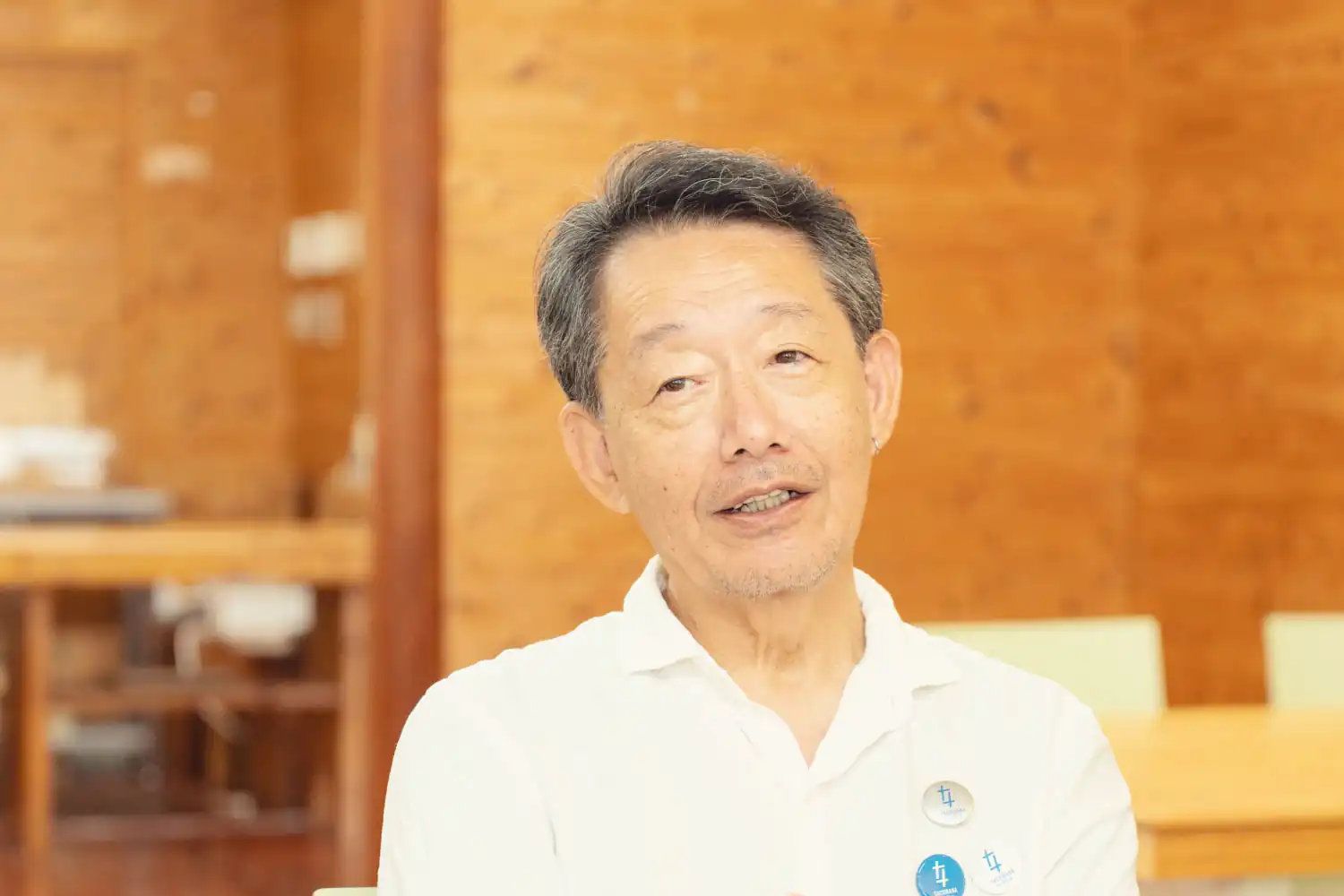
Ezoe Unlike the first phase, in which we started from zero, working out how to organize the forms which we already have has become a major theme of the second phase. Attractive initiatives already exist; on the other hand, judging where to make changes and what to leave is not easy. I feel that we are now right at the stage of “fixing things that are in motion.”
Hiromi Ushijima (Rural Business Unit Leader, Agricultural Management Division, Agriculture, Forestry, and Fisheries Department, Saga Prefectural Government) The farmers in the second phase have already developed their own activities, such as farm stands, processed products, farm experiences, and social media. If we look at each one individually, there are many attractive elements, but by this same measure, the brand can easily become confused. We begin by taking stock of the current situation and determining around which axis to focus.
Suggestions are prone to be taken as rejection, making a respectful dialogue even more important.
Issei Koga (Manager, Saga Design, Saga Prefectural Government) We need to look not only at the products but also the farmers’ habitual ways of expressing themselves and their stories so far. There really is a lot of work needed to dig into what we want to communicate together.
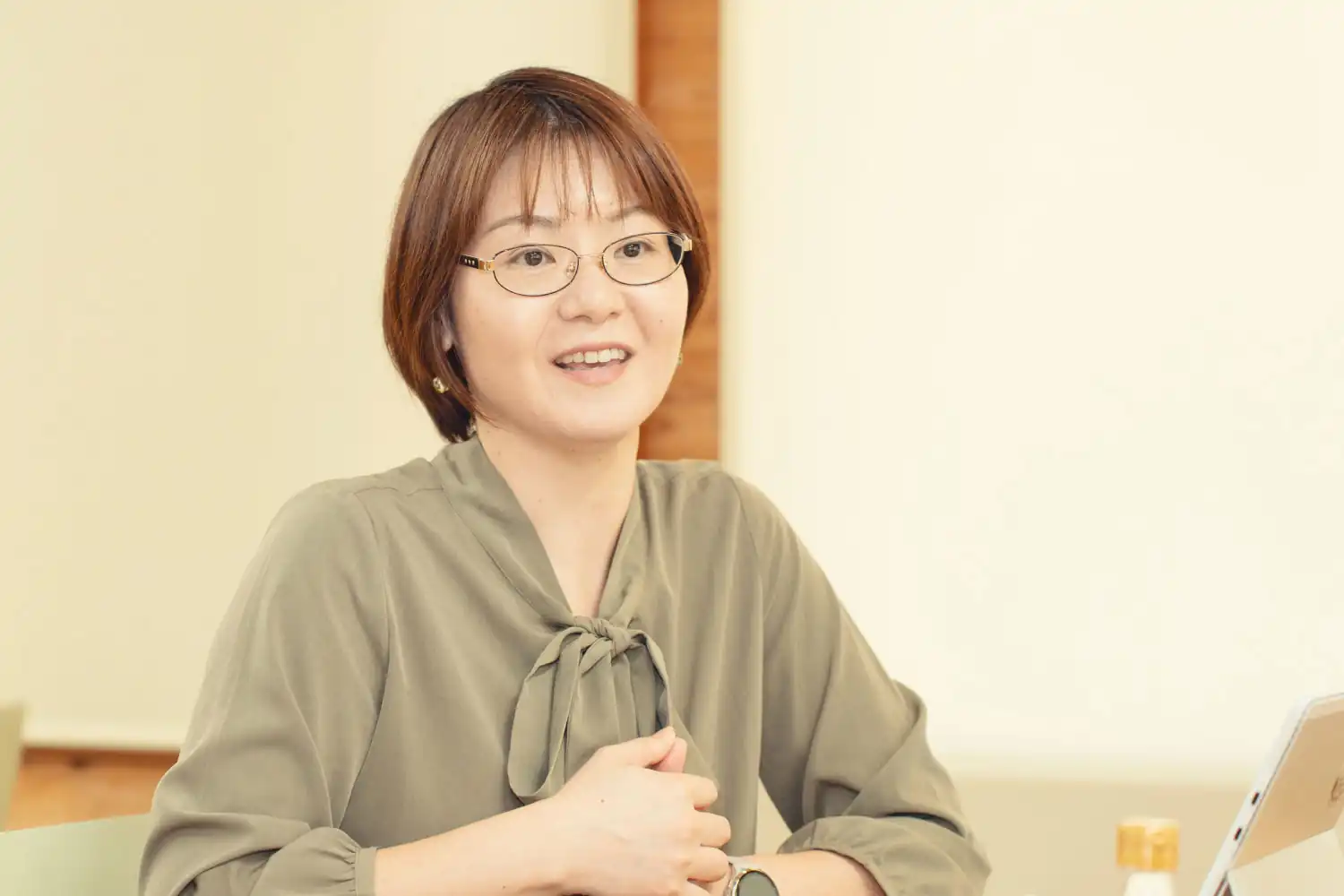
– I have the impression that in the second phase, you have been active in disseminating information, such as through social media posts. What effect is this having on the project?
Ushijima I post myself, moving ahead through a process of trial and error, so I have many doubts. The positive feeling of wanting to do better and anxiety about whether I’ll make existing customers leave always coexist.
That’s why we need to work together to verbalize what to put at the heart and to put our priorities in order. In the second phase, we have started by building this strong core in a great many cases.
How to get past times when you can’t make a decision
– I heard that even when design proposals have been put forward, there are times when farmers can’t make a decision...
Junichi Hayama (CEO, DEJIMAGRAPH) If we show farmers several ideas, it creates a situation where they think that all of them are good, and can’t decide on any of them. In the second phase in particular, there is already an accumulated “heap” of existing logos, products, and social media followers, so it is easy to become indecisive.
Ezoe People inevitably want to choose whatever is familiar. However, what will create the future is the proposal that feels just a little bit strange. That’s exactly why I always suggest to them that the final decision should be the proposal that the designer considers the best. It’s more important to move ahead than to be unsure and stop.
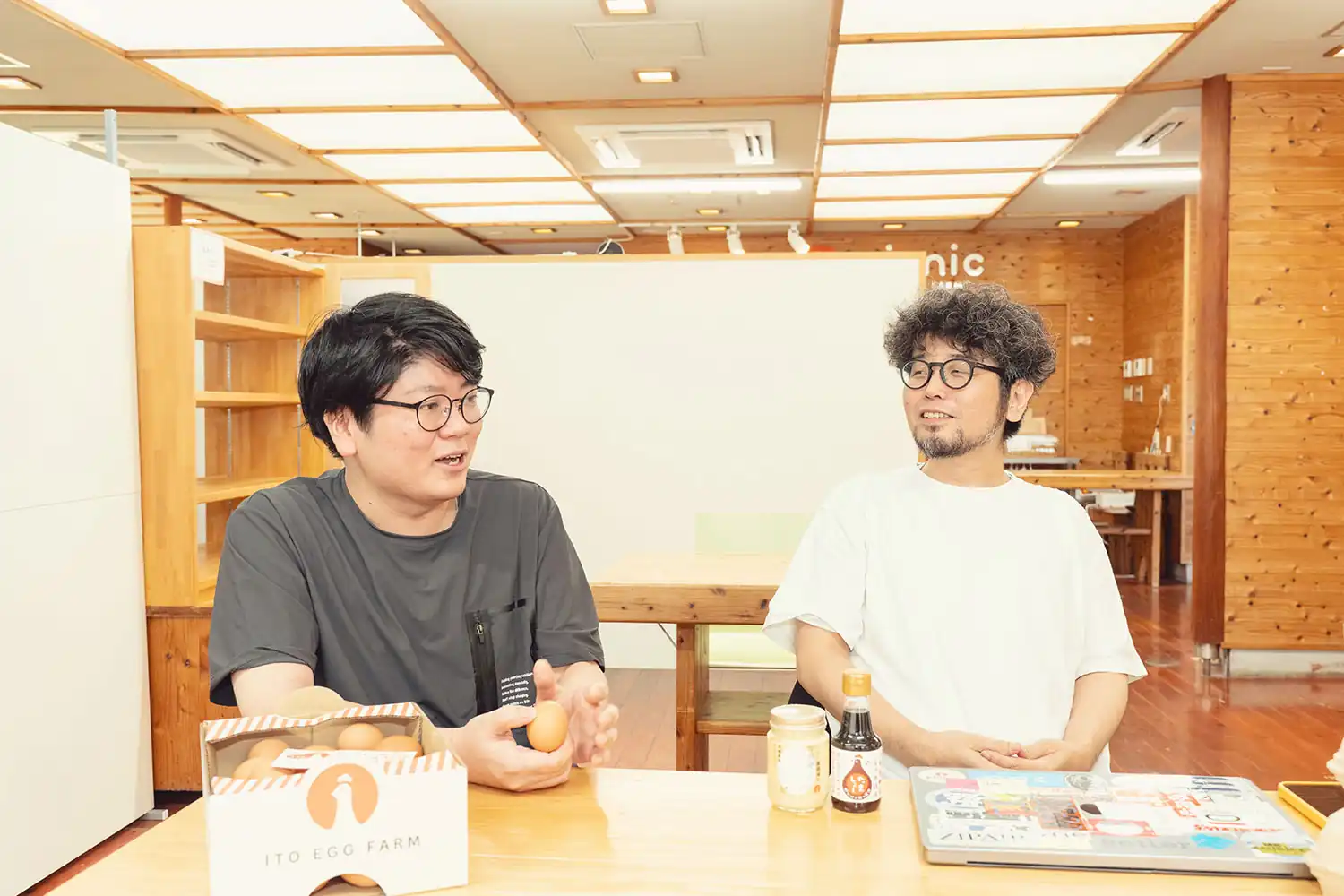
Daiki Ito (Representative, Ito Egg Farm “picnic”) I myself had a tendency to return to what was familiar. These days, I ask “Which one would you choose, Mr. Hayama?” in order to decide. Professional designers are the ones who understand customer reactions and market sentiment the best, so by leaving it up to them, the pieces fall into place and I’ve become able to move ahead.
A time to build trust
– I heard that there were cases in which farmers were approached by outside design firms and wavered.
Ezoe There were. Perhaps because the presentation contents were attractive, one farmer started to waver, thinking “Maybe this company is the best one...” However, the proposals that were actually brought did not reach the level that the designers had envisioned, and misunderstandings arose.
After that, the father of the farmer arranged a drinking party, and the misunderstanding was cleared up as we talked frankly. Indeed, trust was instead deepened further through this experience.
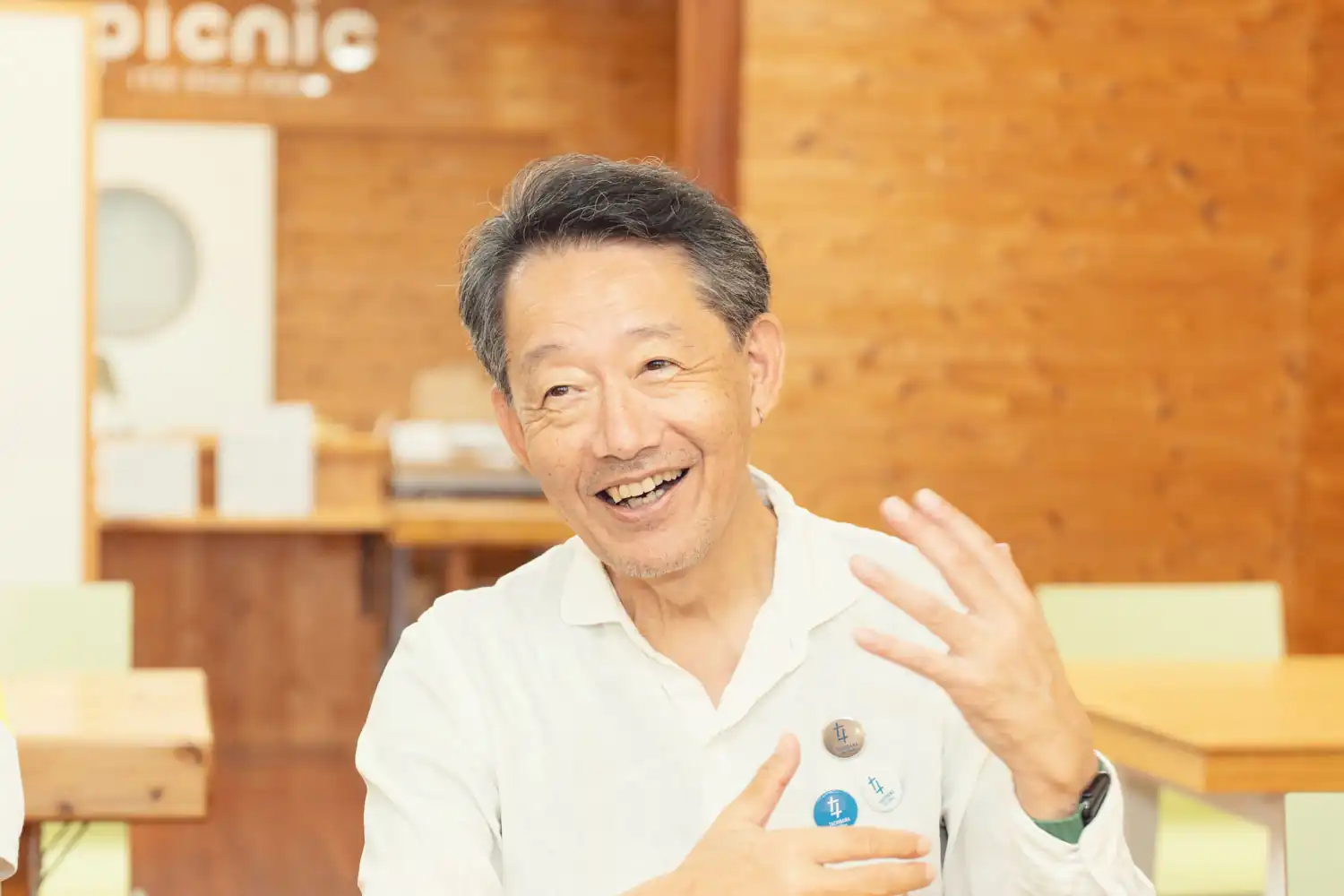
Ezoe Design is work that is founded on relationships. Because we accompany the farmers in the long term, we can overcome these perturbations together.
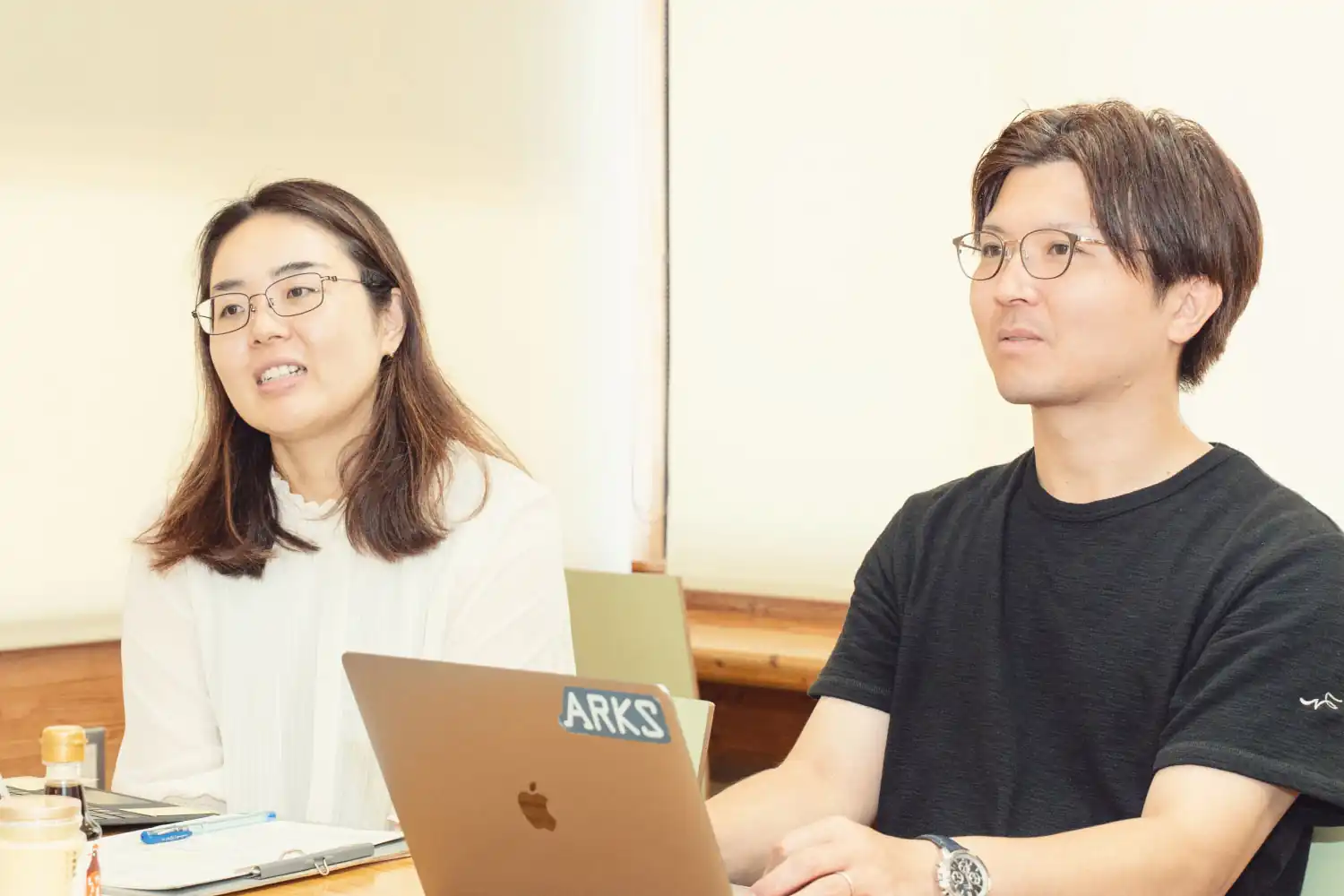
We can see changes because we are “in the midst of it”
– You are still halfway through the second phase. Is there anything that has become evident so far?
Chika Sasaki (Assistant Manager, Saga Design, Saga Prefectural Government) We can’t yet make out the finished form of the second phase, but I feel that this “time of doubt” is a necessary process for brands to grow.
Ezoe The first phase began to take shape in its final year; the second phase is right “in the midst of growing up.” The process of wavering and worrying is the proof that design is working, and I believe that this process itself is valuable.
Ushijima As the second phase progresses, interest in and expectations for agriculture in Saga as a whole have also grown. Some farmers already hope to take part in the third phase, and I can feel for myself that continuing the project is helping the community to grow.
– Listening to this conversation makes me feel that being “in the midst of growing up” is of value in itself.
Ezoe The ultimate goal is for farmers to become able to take a manager’s perspective. Design is simply a means of doing this.
Sasaki For farmers themselves to become able to talk about the meaning and value of their brand: I think this will be a major outcome of the second phase.
Ushijima By having a period of four years, trust is fostered and challenges are created. As the local government, we want to stay alongside farmers right until the end to support the creation of brands that will lead to the future of the local community.
Saga’s “event culture” provides impetus
– Saga Agri Heroes 2+1/2025, an event for people to experience the appeal of the area’s agriculture, was held on October 18. What was it like?
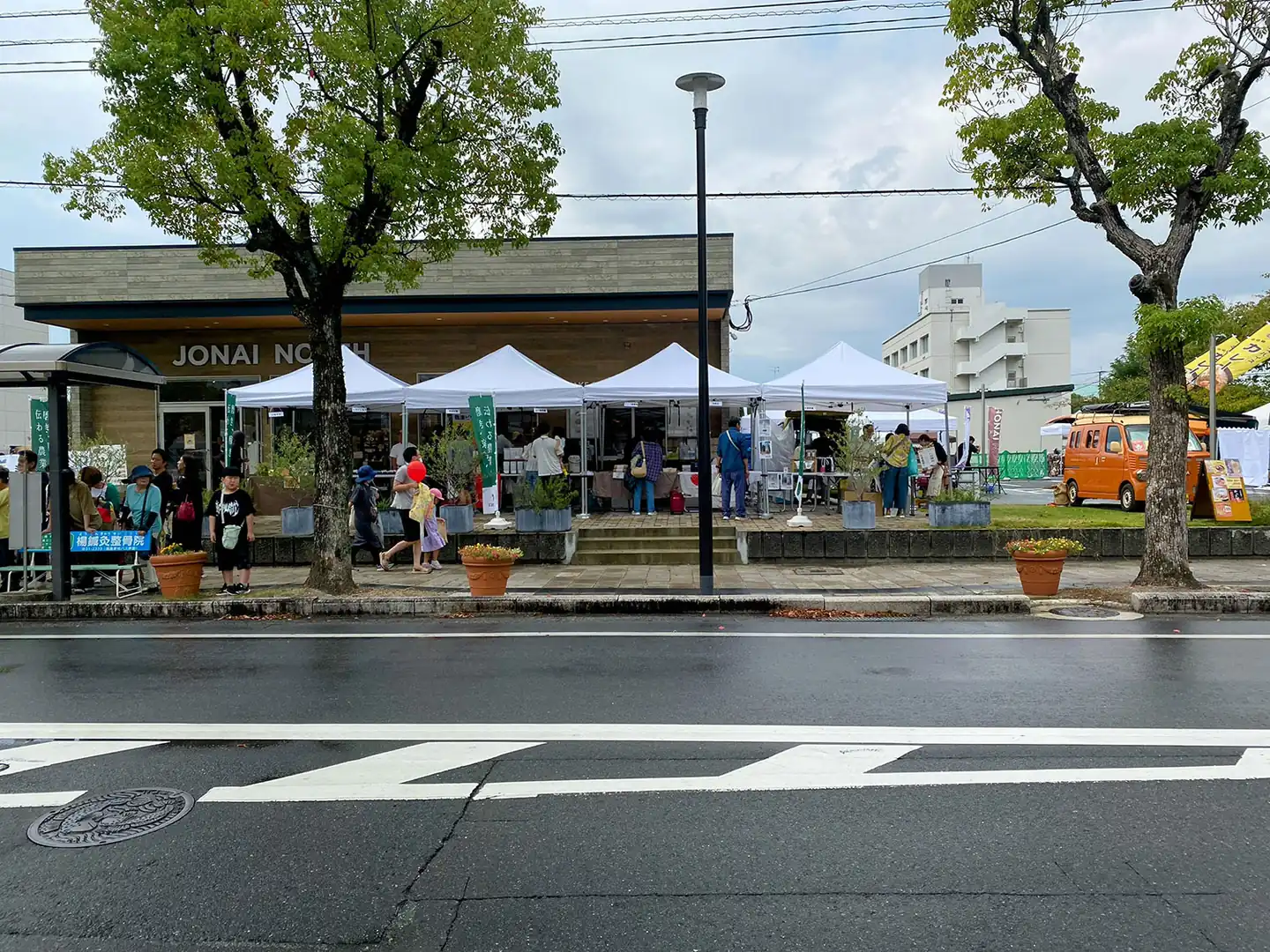
Ushijima Five people from the second phase and two from the first phase took part in this event, with each having a booth to sell their products. We also held a lottery for the purchasers with Saga Agri Heroes products as prizes. Panels also introduced the history of the project so far, and I hope this gave visitors an opportunity to learn about the background behind the activities and the initiatives being taken by the farmers.
In part because the event was held at the same time as the Saga Saiko Festival (10th year), although the weather was not good in the morning, many visitors came from the afternoon. The farmers sold their products directly and, by explaining their initiatives in their own words, I think they allowed visitors to feel the appeal of agriculture as something closer to home. Some people came to the venue after seeing the TV announcements beforehand, while others said they were hearing about Saga Agri Heroes for the first time. I hope that these encounters with the products will lead to future purchases.
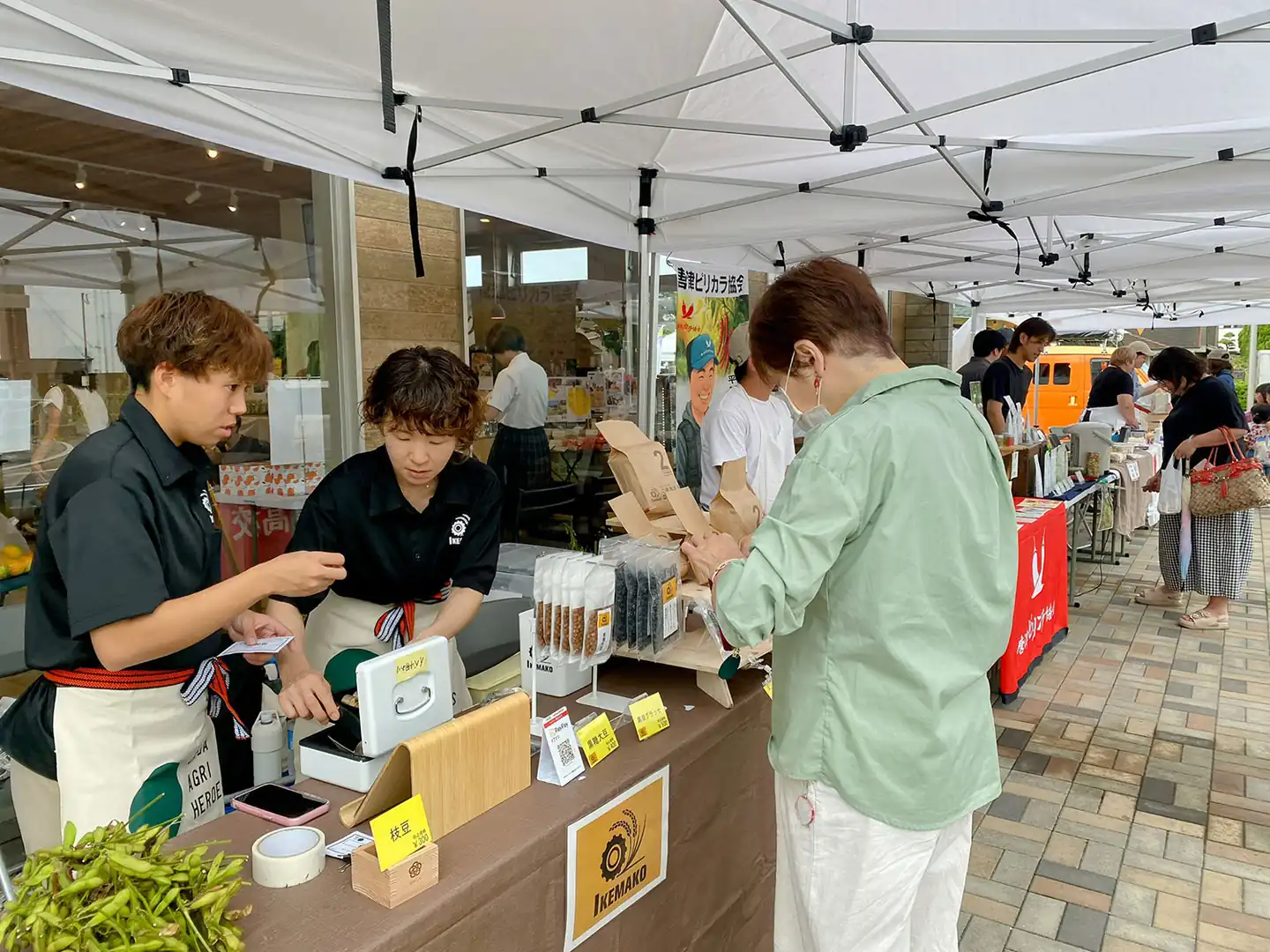
Ezoe From my standpoint as the producer, I would like to enhance the brand power of the Saga Agri Heroes project itself, just as we are doing for individual farmers.
At this event, farmers from the first and second phases exhibited at the same venue, and I aimed to create a sense of overall unity. The accumulation of such images broadens recognition of the project and nurtures it as a brand. As a result, it ought to have a positive effect on each farmer’s business, too.
The relationship between the local community and design is beginning to change
– What changes have there been in the local community and government through Agri Heroes?
Koga In the period when Saga Design was established, around 2015, design was positioned as an “external specialized service” by the prefectural government.
However, as a result of the accumulation of case studies like Agri Heroes which “make the changes in people visible as outcomes,” the way design is handled within the prefectural government has changed radically.
A culture is now taking root in which project planning involves asking questions such as “Who will be reached and how?”, “What do you want to change?”, and “What kind of story will be created?” from the initial stages of the policy. I feel that the planning ability of government itself has been boosted.
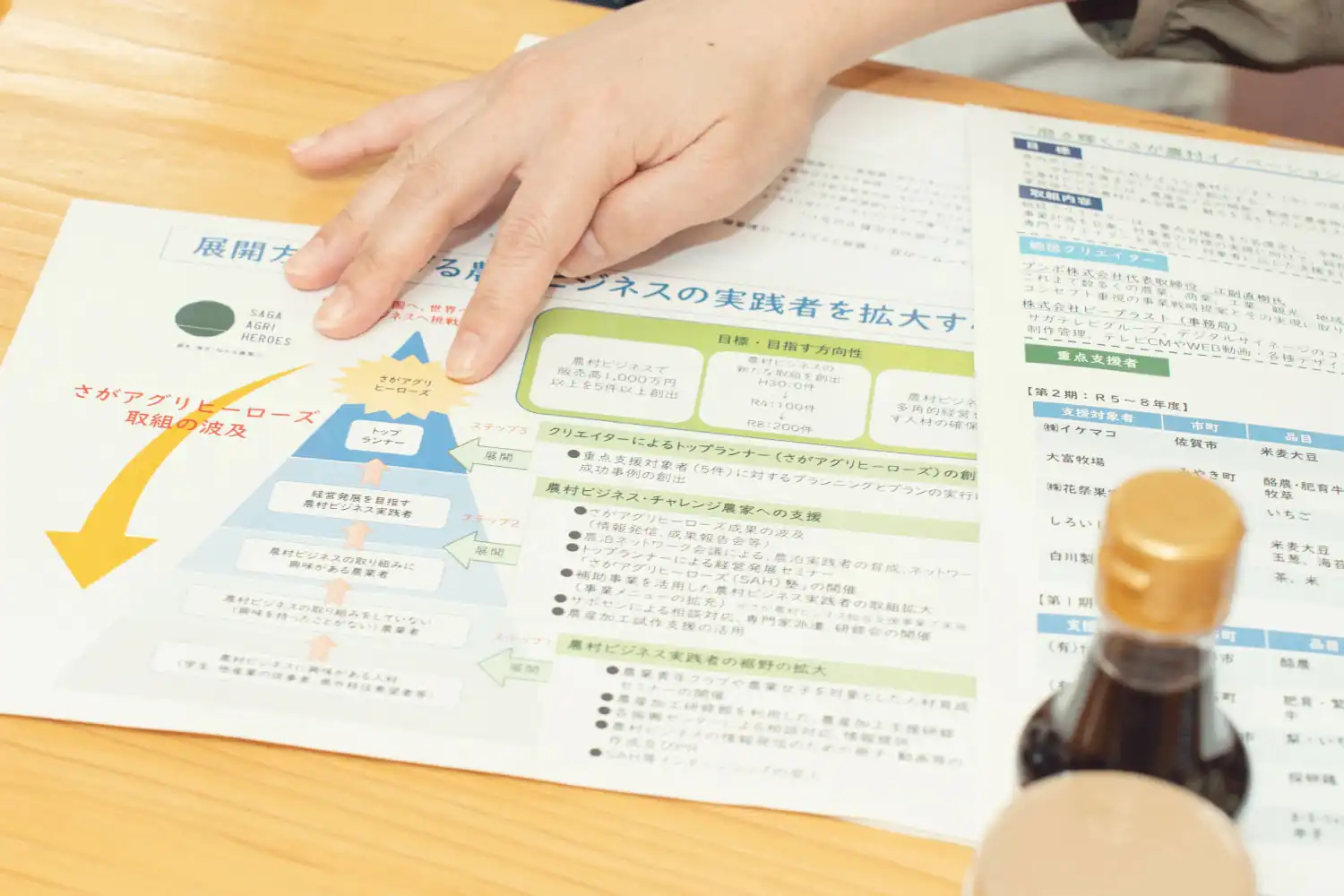
Ushijima In the Agricultural Management Division, too, we understood the importance of “how we show things” and “how we tell stories” through Agri Heroes.
In the past, we often urged farmers to “produce results by the deadline” in the form of subsidy projects, but now the attitude has changed to nurturing the project through a process of trial and error together with farmers. This change in the attitude of local government staff is in itself a major outcome of this project.
There are more “farmers who tell stories”
– What changes have arisen in the attitudes of the farmers themselves?
Ezoe Through the project, the farmers in the first phase realized that “not only producing things, but telling stories about them” was part of their job. This has definitely influenced the farmers around them, and the number of people saying that they, too, want to give it a go has really increased over the past few years.
In the past, design tended to be seen as something special, but now it has become more naturally accepted as one option in order to continue farming. The fact that design has taken root as a familiar practice, rather than as a special method, represents a major change for the local community.
Sasaki The number of farmers who share their day-to-day work and thoughts through social media is increasing, and “relationships that support people” are broadening. I feel that new connections are being fostered in the local community by the emergence of a move to support the producers rather than the brand itself.
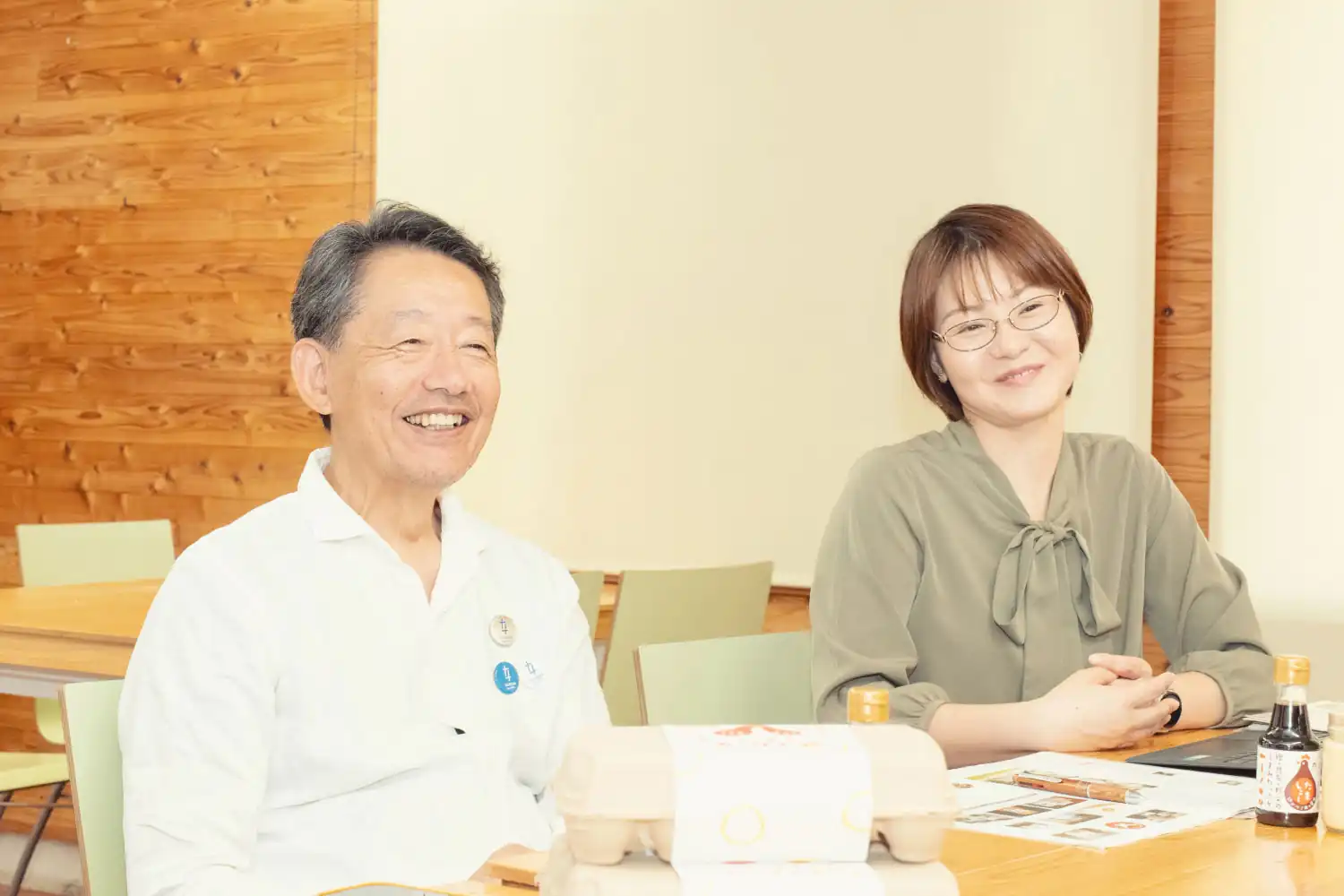
Ito There have been more opportunities for people to say to us, “You’re picnic egg sandwiches, aren’t you?” Being able to get direct responses from local residents gives us the strength to take the next step. I really feel that design has the power to create connections with people, even before it becomes a question of selling.
The future of agriculture cultivated by design
– Finally, could you tell us about the vision which Agri Heroes has for the future of agriculture?
Ezoe The coming age of agriculture will not be one in which “If you produce something, you can sell it.” The attitude and way of thinking of the producer and the relationships with the local community themselves become the value. At that time, design becomes less of a “technique for arranging the form” and more of a “process of accompanying to develop the way of thinking.”
Agri Heroes does not cultivate logos or products alone. There is a steady growth in the number of producers who can address and tell us about the questions of why they are producing these products, whom they want them to reach, and how they themselves want to be. I believe that this change is exactly what is required from the farmers of the future.
Ushijima The Agricultural Management Division wants to create a system in which farmers grow as business managers. Once the axis of the brand is decided upon and the appeal of the product is sorted, the “power to keep going” is born.
Through the adoption of design thinking by local government, relationships in which people think together with farmers have begun to take root in the area.
Sasaki The ability to tell a story, evoke empathy, and cultivate fans will be essential for agriculture from now on. In the second phase, this ability to tell stories has steadily developed. The fact that local people are starting to see farmers as objects of support is another major change.
Koga Agri Heroes is not just a project for agriculture. It fosters a culture in which government and the private sector learn from each other on an equal footing, and it also serves as a model for how design can permeate the local community. This system has the potential to spread throughout regional development as a whole, not just agriculture.
Ezoe Agriculture is the essence of the community where people live. Design comes in, and people change, relationships grow, and the structure is passed down to the next generation. I believe that the future of Agri Heroes is not simply the creation of brands, but also this very “design that nurtures communities.”
– Thank you very much! Design takes root in local government, farmers tell stories, and communities begin to support them... Agri Heroes was at the center of that change. What kind of new value will Saga show after four years of accompanying farmers? I intend to keep following their progress.
Saga Agri Heroes
Agriculture, Forestry, and Fisheries Department, Saga Prefectural Government
A new project by Saga Prefecture to support agriculture’s move to sixth-order industry. Five farms (Nakashima Farm, Ureshino City; Tommy Beef, Shiroishi Town; Ito Egg Farm, Takeo City; Okawasansedai, Imari City; Hirata Flower Garden, Karatsu City) were selected through an open application and, after thorough interviews, the producer and others chose the core designers for each one. It provides support ranging from product development to public relations planning and spatial composition. The implementation period is four years. The project goal is for each farm to increase sales by 10 million yen from the start date; all farmers have attained this goal in the third year. It was decided to implement a second phase.
- Award details
- 2022 GOOD DESIGN BEST 100 https://www.g-mark.org/en/gallery/winners/11070
- Producer
- Naoki Ezoe
- Director
- Naoki Ezoe/ Toshimitsu Ban/ Masanori Seto/ Ai Yoshimoto/ Kaneto Urago/ Shoko Matsumoto and others* *Project members during the first phase
- Designer
- Kensaku Iwashita/ Satomi Nishimura/ Sachi Monji/ Yosuke Koyanagi/ Ikki Kobayashi/ Koichi Futatsumata/ Kazumasa Harada/ Koichiro Fujimoto / DEJIMAGRAPH/ Kyoko Hirosawa/ Seiichi Maesaki/ Takayuki Senzaki/ Moemi Yamada/ Kota Abiru and others* *Project members during the first phase
Tomoko Ishiguro
Editor/writer
After working in the editorial department of “AXIS,” she became a freelancer. She writes, edits, and plans, with a focus on design and life culture. Her major editorial works include the LIXIL BOOKLET series (books, LIXIL Publishing) and “Oishisa no Kagaku” (magazines, NTS Publishing).
NANA
Photographer
She became familiar with film photography while she was an elementary school student. She has been active as a professional photographer since 2018. In addition to photography in a wide range of fields including people, products, architecture, and cuisine, she also works as an art director and video creator.


Related Articles
Designing agricultural heroes (Part 1)
Introducing design to agriculture, supporting the producers to build their own brands... Saga Prefecture’s “Saga Agri Heroes” is generating new value in the local area through such highly original initiatives. In a context in which single-year subsidy programs are the norm, this initiative has instead adopted a four-year long-term support system in which farmers and designers work together to come up with ideas and develop products. A number of the brands created through collaboration between primary industries and design have attracted attention, and the project received a GOOD DESIGN BEST 100 award in 2022. In this article, we hear about it from its launch to the results of its first phase. We talked to Hiromi Ushijima of Saga Prefectural Government’s Agricultural Management Division and Issei Koga and Chika Sasaki of the prefecture’s Saga Design, producer Naoki Ezoe, Junichi Hayama of DEJIMAGRAPH, and Daiki Ito of Ito Egg Farm “picnic.”
Umbrella innovation that changes our daily lives (Part 2)
We should not overlook the “minor inconveniences” in our daily lives, but rather solve them through our own ideas... Starting from this stance, Marna Inc. has created many hit products. The Shupatto Umbrella, which was selected as one of the GOOD DESIGN BEST 100 in 2023, is an epoch-making product that revolutionized the very structure of umbrellas. In Part 1, we listened to the story behind the development of this umbrella, which was born from the idea of being able to fold it without getting your hands wet. In Part 2, we will unravel “Marna’s design thinking” which lies behind its product development.
Umbrella innovation that changes our daily lives (Part 1)
We should not overlook the “minor inconveniences” in our daily lives, but rather solve them through our own ideas... Starting from this stance, Marna Inc. has created many hit products. One of these, the Shupatto Umbrella, is an epoch-making product that has revolutionized the very structure of umbrellas. While folding umbrellas and design quality are the mainstream among the competition, this umbrella, which was born from the idea of being able to fold it without getting your hands wet, offers a new experience in which all the fabric comes together at once the moment you close it. And in 2023, it was selected as one of the GOOD DESIGN BEST 100. We interviewed Ryota Taniguchi, who led the development of this product, about the development process which spanned five years from the moment when the idea came into being, and the repeated trial and error which led to its commercialization.
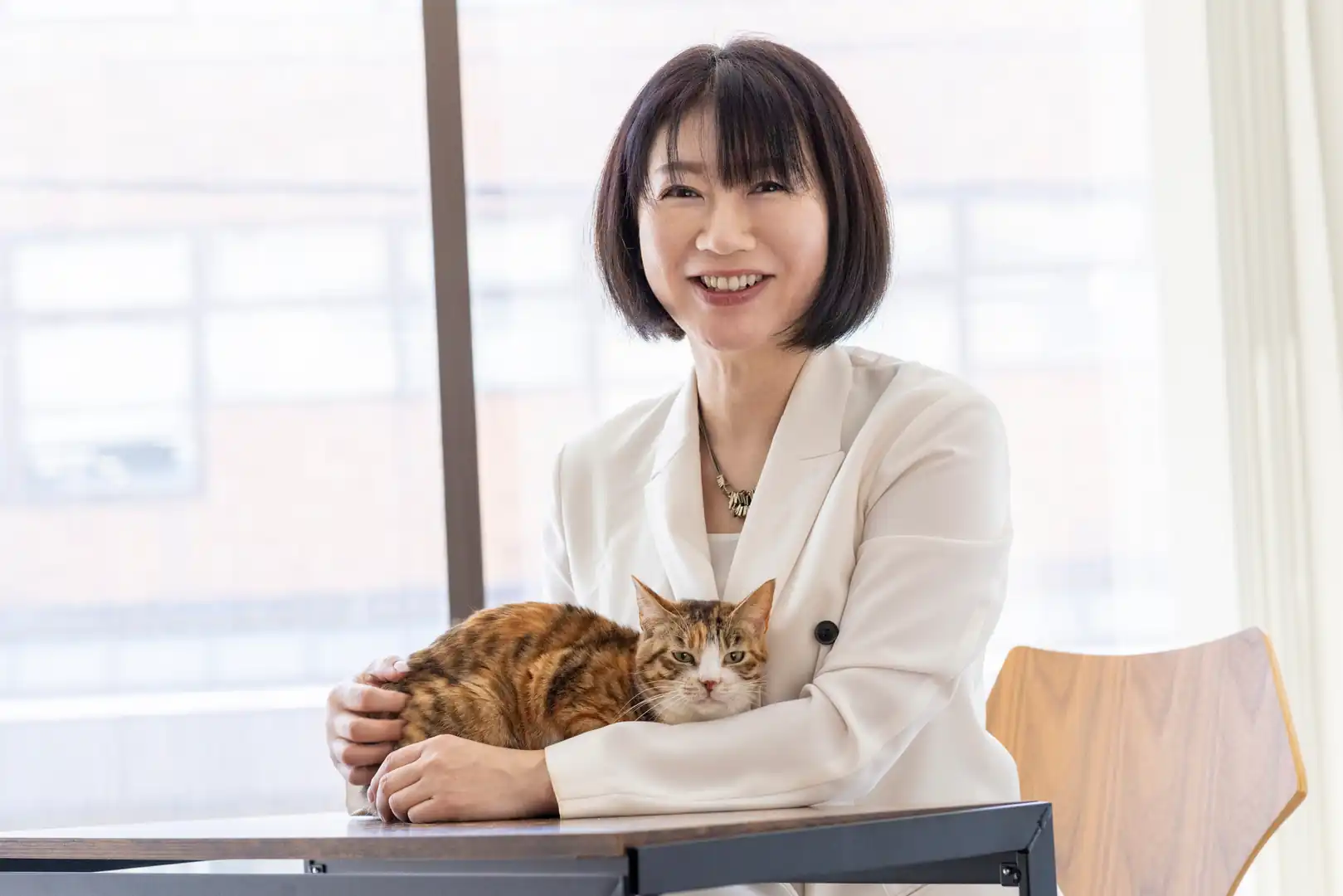
The cats are the designers. My role is communications. (Part 2)
Yukako Futono turned her love of cats into a business by founding Cross Clover Japan. In Part 1, we asked her about developing products by thinking as a cat does, rather than prioritizing what suits humans. In recent years, the average lifespan of cats has increased dramatically, but at the same time, new issues have arisen. In Part 2, she tells us about the world which unfolds with cats as its starting point.