
To the place where "good design" was created
Good design, excellent design, design that opens up the future, ideas that move people's hearts, and actions that lead society always have small beginnings.
Interviews with designers at the birthplaces of good design to find hints for the next design.
Destination
Sagotani Co., Ltd.
Where does the deliciousness of milk come from? (Part 1)
2026.11.20
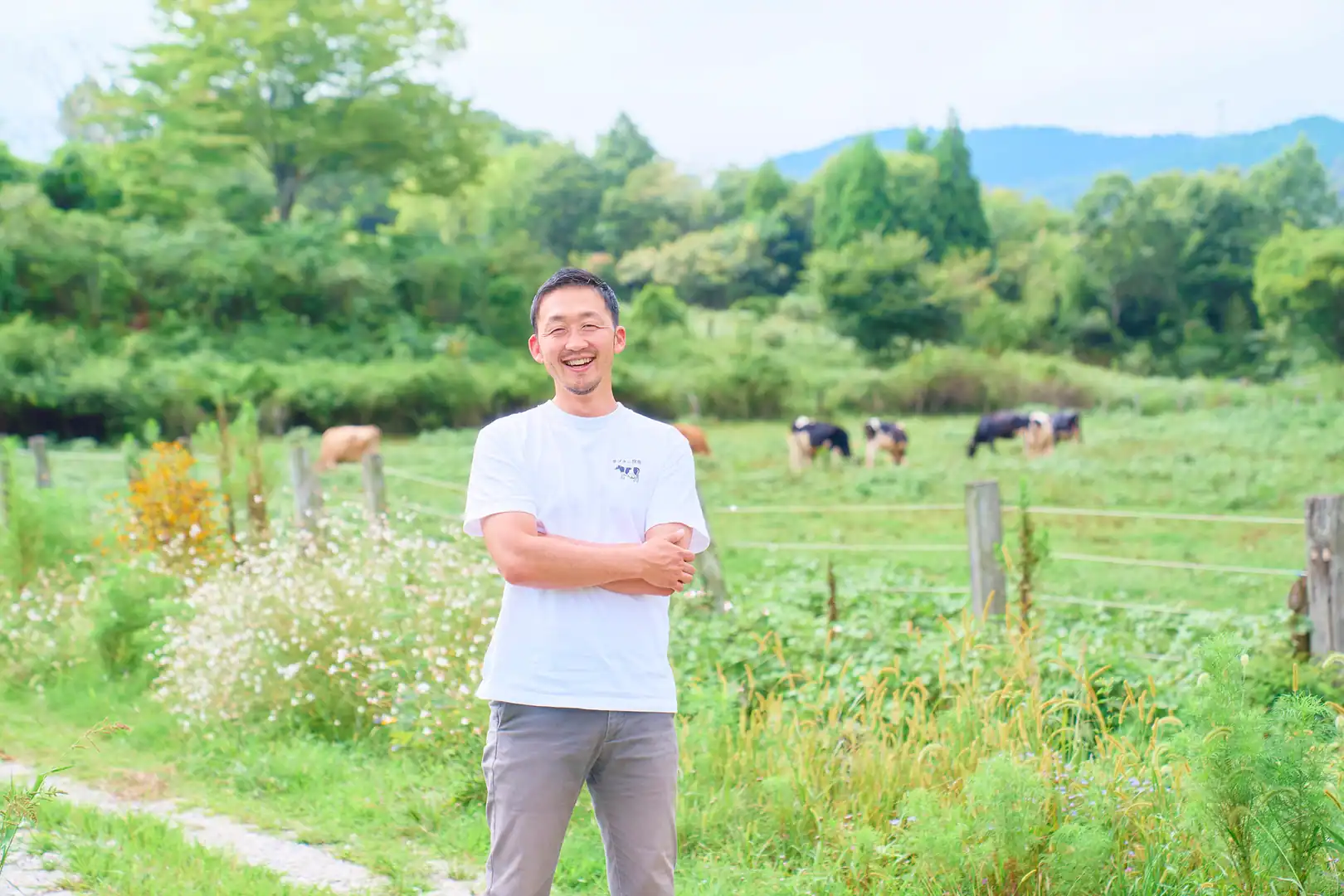
Around an hour's drive from the center of Hiroshima City, set among lush green mountains, Sagotani Farmer has been producing milk for three generations. Every year, about 100,000 people visit this open farm, where they can see the cattle barns and the pastures, and enjoy gelato. Since 2020, Sagotani Farmer has been working on a shift to pasture dairy farming, and is exploring new ways of running a farm together with the people in the local community. The farm received a GOOD DESIGN GOLD AWARD in 2025 for its “farm-based community co-cultivation design,” efforts to rethink not only how the cows are raised, but also how the value of milk is communicated and even its relationship with the community. Milk, which we usually drink without a thought, is said to taste different depending on the grass the cows eat, the land on which they are raised, the season, and the sterilization method. Letting the cows graze freely does not automatically make it more delicious. There is a deep, little-known world behind milk production. We asked Kosuke Kubo, the executive vice-president of Sagotani Farmer, about his efforts to pursue delicious milk production and the background to the changes at the farm.
The milk tastes of the land
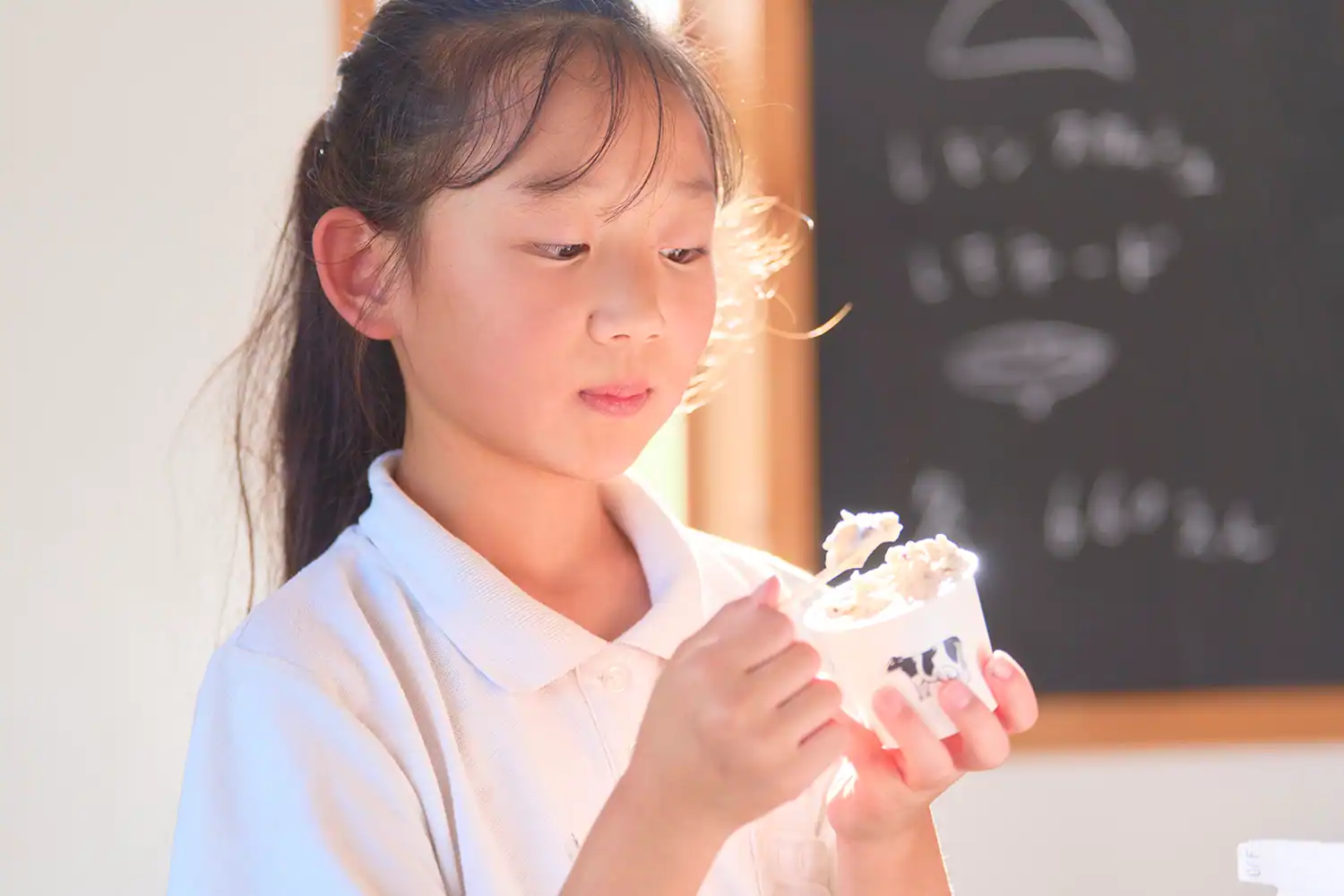
— The gelato I ate at the farm made an impression on me. Although it had a robustly milky taste, it was surprisingly refreshing, and the aftertaste seemed to disappear right away.
Kosuke Kubo (Executive Vice-president, Sagotani) I’m happy to hear that. That’s exactly the kind of taste we value highly. When people express the deliciousness of milk, they often say “rich,” don’t they? But that’s mainly fat. Of course, fat is an important component of what makes it delicious, but the taste of milk is more complex.
There is the scent of the grass eaten by the cow, and the feel as it slips down your throat. Milk straight from the cow that hasn't yet been sterilized is actually very light. It feels as though it disappears as soon as you’ve drunk it, and you could drink as much as you wanted. We want to prize this original taste of milk.
— Are you also particular about the manufacturing methods you use to produce that taste?
Kubo Yes, we are. One is pasteurization at a low temperature. Most of the milk generally sold in Japan is made by sterilization at a high temperature of over 120 degrees Celsius for a short time. On the other hand, we choose a method that prevents the denaturation of proteins by heat as far as possible.
Proteins change their structure when they are heated. This makes a difference to the feel in your mouth when you drink it. What we're aiming for is the gentle sweetness that milk has naturally, and a sensation that disappears straight away rather than lingering in your mouth.
However, this doesn't mean that pasteurization is superior in every regard. High-temperature sterilization has the great advantage of improving shelf life. Such products can be transported far and stored for a long time. On the other hand, pasteurization shortens the shelf life. Each has its advantages, so I think that you should choose depending on the intended use. But I want to keep the option of milk having this kind of taste.
— Does the taste of milk change depending not only on the processing method but also on the environment in which the cow grows up?
Kubo It changes a great deal. Pasture dairy farming is a method of raising cows in which you don’t just keep them in a barn, but also let them out into the pasture to eat grass. When I thought about a move to pasture farming, I drank milk from pasture dairy farms around the country to compare them. Even with the same pasture farming method, the taste is completely different depending on the region and the way of thinking of the producer. For example, the taste changes according to the grass that the cows eat. If the grass is bitter, the effects of this can come through in the milk. Milk absorbs odors easily, so the environment in which the cows are raised is also related to the taste.
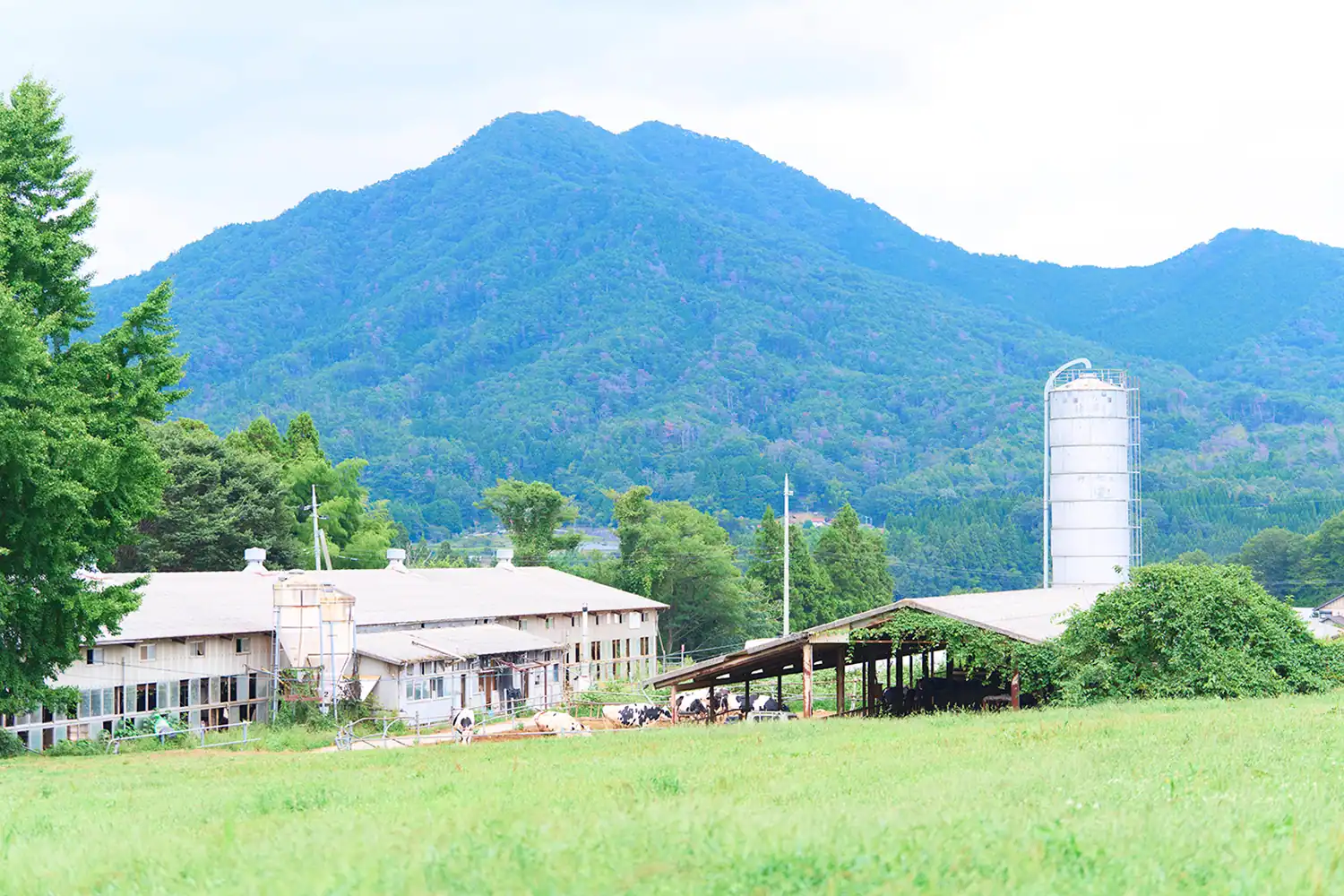
Kubo What’s more, the plants that grow there vary according to whether the pH of the soil is acidic or alkaline, and the water is also different. The largest part of milk is water, so whether the local water is hard or soft also relates to the taste. Because there are so many variables, you can say that milk tastes of the land. Even on the same farm, the taste changes depending on the season.
— I had never even thought that the taste of milk changed depending on the season... But it’s true that this is the case for other foods, too...
Kubo What the cows eat changes depending on the season, so I sometimes feel that the taste has got stronger in fall. However, milk cannot be stored for a long time, so I can’t compare milk from summer and winter at the same time. It’s not easy to compare the differences in taste accurately.
Even so, if you drink various kinds of milk, you will become able to tell whether or not the cows are pastured from the taste. There are things that you start to see as you increase the resolution. What I aim for is a glass of milk in which you can sense this, the uniqueness of the land.
— Do your cows eat only the grass that grows in the pasture?
Kubo No, that wouldn’t be enough, so we also give them grass that we have mown. It's called silage: the grass is dried until the moisture reaches around 50%, rolled up, and wrapped in film. When you do this, lactic acid fermentation progresses inside the rolls, and it becomes a feed that can be stored for a long time. The cows also like eating it.
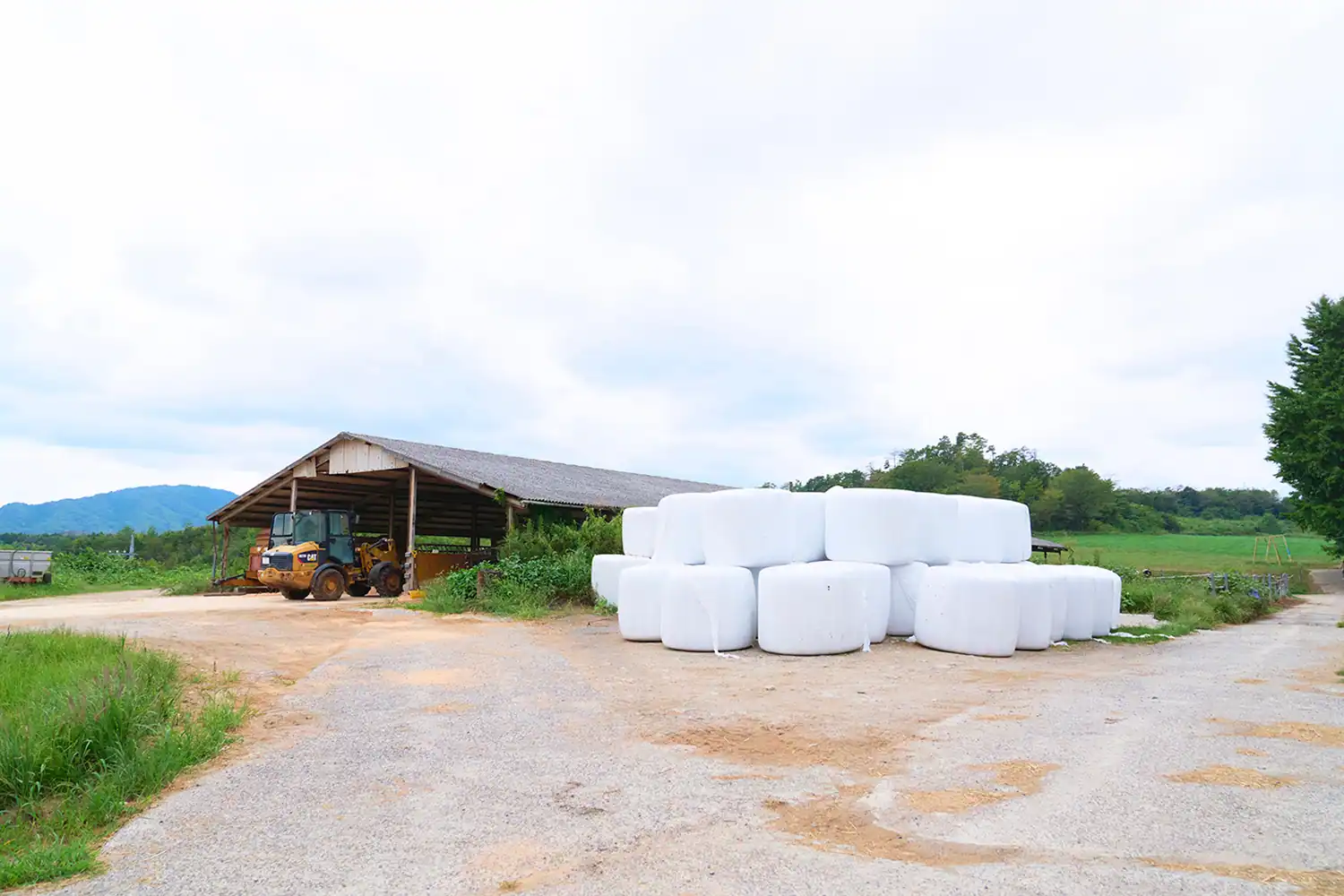
Kubo The grass from the pasture can be cut several times a year, but we need a stretch of fine weather to dry it. We decide when to mow it with an eye on the weather forecast. In dairy farming, time and effort are needed not only to look after the cows but also to make their feed.
— This is a great environment, isn’t it? Both the cows in the pasture and the cows in the barns take things slowly.
Kubo We are currently making a gradual shift to pasture dairy farming. We used to keep only Holsteins, but we have increased the number of Jersey breeds, which are suited to grazing. Jerseys can produce milk even on grass-based feeds, but on the other hand, their milk yield is low. So we also raise cows that are a cross between Holsteins and Jerseys.
One cow eats about 30 kilograms of grass and drinks about 100 liters of water a day. We currently keep about 120 animals here, but a large area of land is needed for them all to graze outside. So we plan to gradually expand the grazing area using the slopes of the mountain, and at the same time to reduce the number of cows we keep to about 50 in the future.
— Are you reducing your cows as part of your shift to pasture farming?
Kubo Yes, that’s right. If we reduce the number of cows, of course the amount of milk that we can get will also fall. I believe that we need to increase the value of a glass of milk, instead of producing it in volume as we have done until now.
— Does the deliciousness of milk change by pasturing the cows?
Kubo It does. However, this doesn't mean that letting the cows graze freely will necessarily make delicious milk. When I compared pasture-raised milk from all over the country, I found that some was really delicious and some was not. Grazing makes the character of the land and the grass show more readily in the milk, so depending on how you do it, the taste may get worse. It is also true that it’s easier to keep the quality stable if you raise cows in a barn using purchased feed.
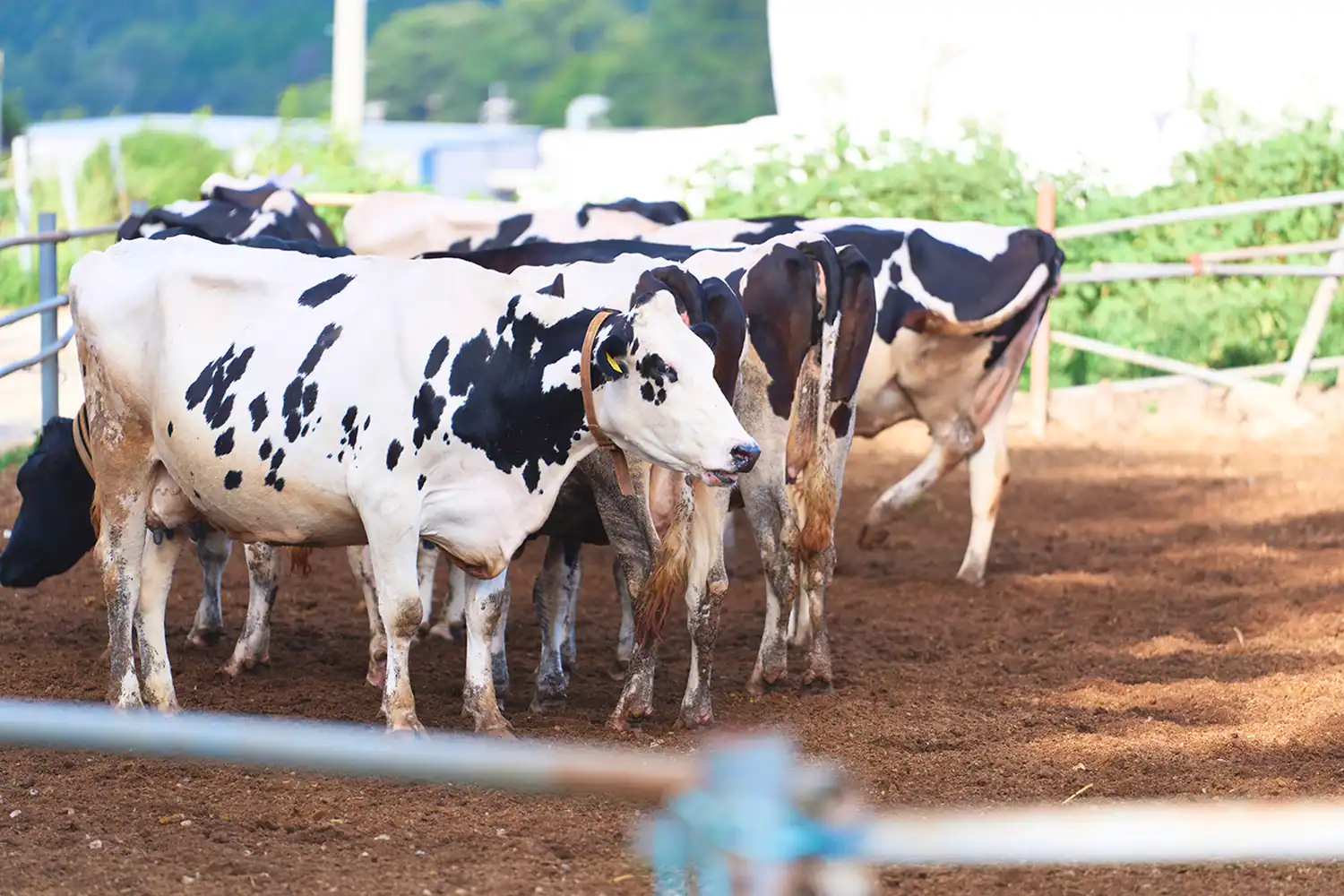
Kubo I'm a professional food producer, so I want to value deliciousness above all else. Of course, pasture farming has values such as improving the land’s environment and enriching the ecosystem. But given that it’s food, there’s no point if it doesn’t taste good. I think that pushing the line “This is milk from cows raised without stress in the pasture, so it’s delicious, right?” is about the ego of the producer.
First of all, I want people to try drinking it and then wonder why it tastes so good. If they look into the reasons for this, it comes down to the grass the cows eat, the environment of the land, and the initiatives we’re taking. That’s the kind of milk I want to make.
Returning home with 23 cows
— I heard that it’s 85 years since Sagotani Farmer was founded.
Kubo Yes. Dairy farming was introduced to Japan in the Meiji Era, but it was after the war that milk came to be drunk more widely. The history of Japan’s dairy farming as a dietary culture is still a short one. After the war, the demand for milk increased in Japan. The amount of grain produced in America was increasing, so the method of raising many cows on limited land using cheap imported feed became widespread.
Originally, cows are animals that produce milk by eating the grass that humans cannot eat, and grazing freely is still the mainstream in places like Ireland. Dairy farming in Japan has chosen a barn management method that differs from this natural cycle. But I hope that pasturing becomes one of the obvious options for dairy farming from now on.
— What prompted your grandfather to start dairy farming in the first place?
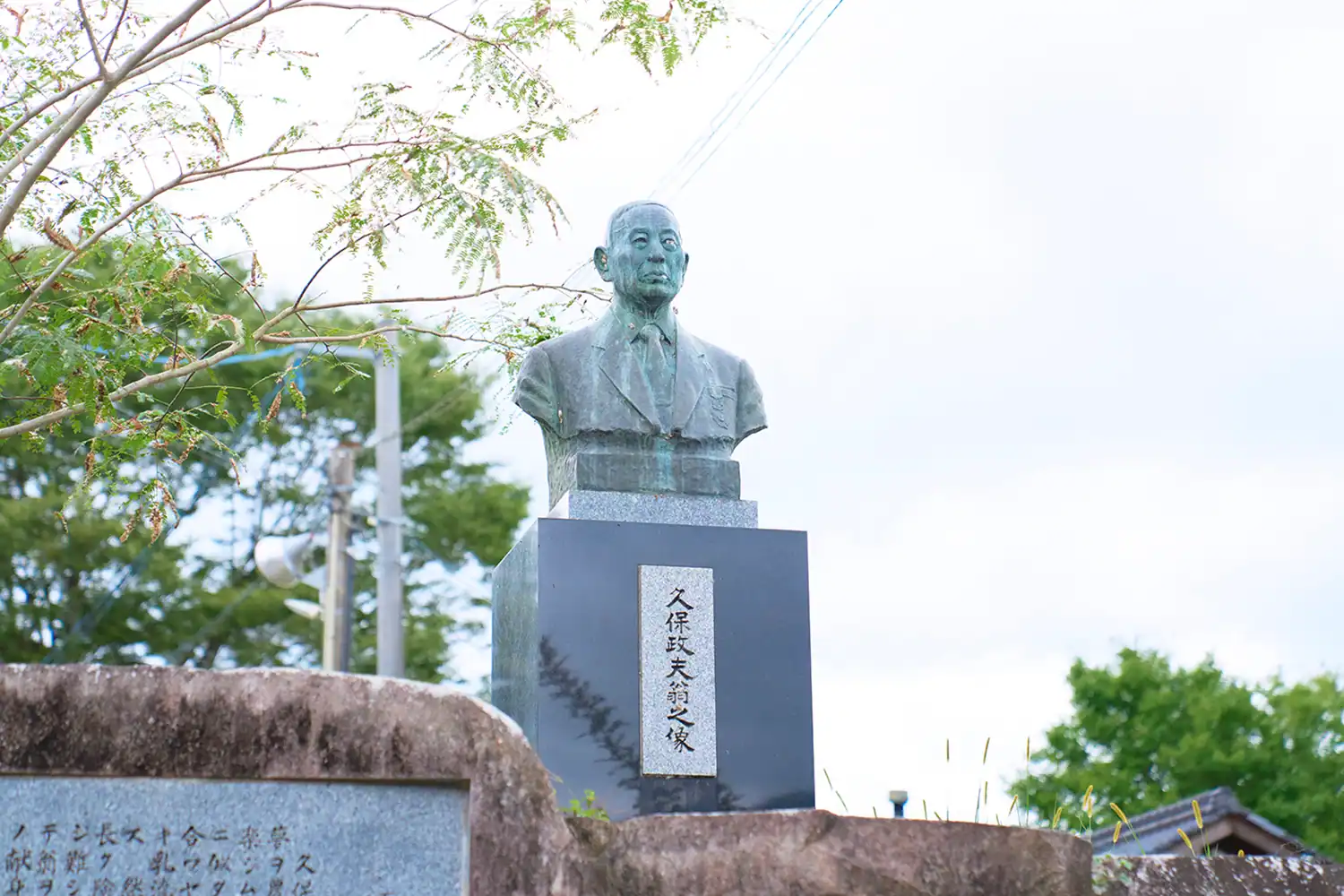
Kubo Masao Kubo, my grandfather, was originally from this area, but he aspired to be a novelist when he was young. He apparently had an artistic temperament: he drew pictures, wrote prose, and was also interested in music. My grandfather's father was a local landowner, and he wanted his son to become a doctor, but in spite of his opposition, my grandfather moved to Tokyo and continued writing novels. But his novels were not recognized, and after trying hard for about ten years, he ruined his health.
At that time, the doctor told him to eat nutritious food and to exercise, and he heard that milk was good for the health. However, milk was very expensive in those days, so he could not easily drink it. He was told that there were many cows in Hachijojima, so he went to the island. He drank milk there while helping dairy farmers with their work, and recovered his health in about three years.
Kubo His dream of becoming a novelist didn't come true, but when he understood how great it was to work with food, he decided to make dairy farming his life’s work. He went on to open a farm on Hachijojima, not only raising cows but also growing vegetables, raising chickens, and keeping bees, living a self-sufficient life. It apparently became one of the leading farms on the island in about a decade.
— Why did he return to his hometown when it was so successful?
Kubo He was prompted by the death from tuberculosis of his younger sister, whom he had left behind in his hometown. At that time, this area was very poor, and my grandfather thought he had to do something about it. Milk had enabled him to get his health back and make his living from dairy farming. This being so, he thought that if he started dairy farming in his hometown, he could improve the lives of the local people. So in 1941, he came back from Hachijojima bringing 23 cows with him. The cows were apparently carried by rail.
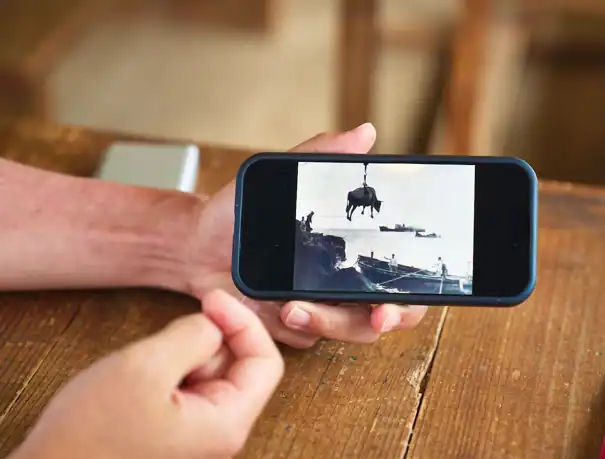
Kubo However, my grandfather's father got angry and disowned his son, who was supposed to become a doctor but aimed to be a novelist, and now here he was bringing cows home... What my grandfather was given was this mountain. He opened it up gradually, expanding the farm. The people in the local community cooperated in clearing the land, and the foundations of today’s Sagotani Farmer were laid.
— A desire to improve the community through milk production has been the company philosophy since its foundation, hasn’t it?
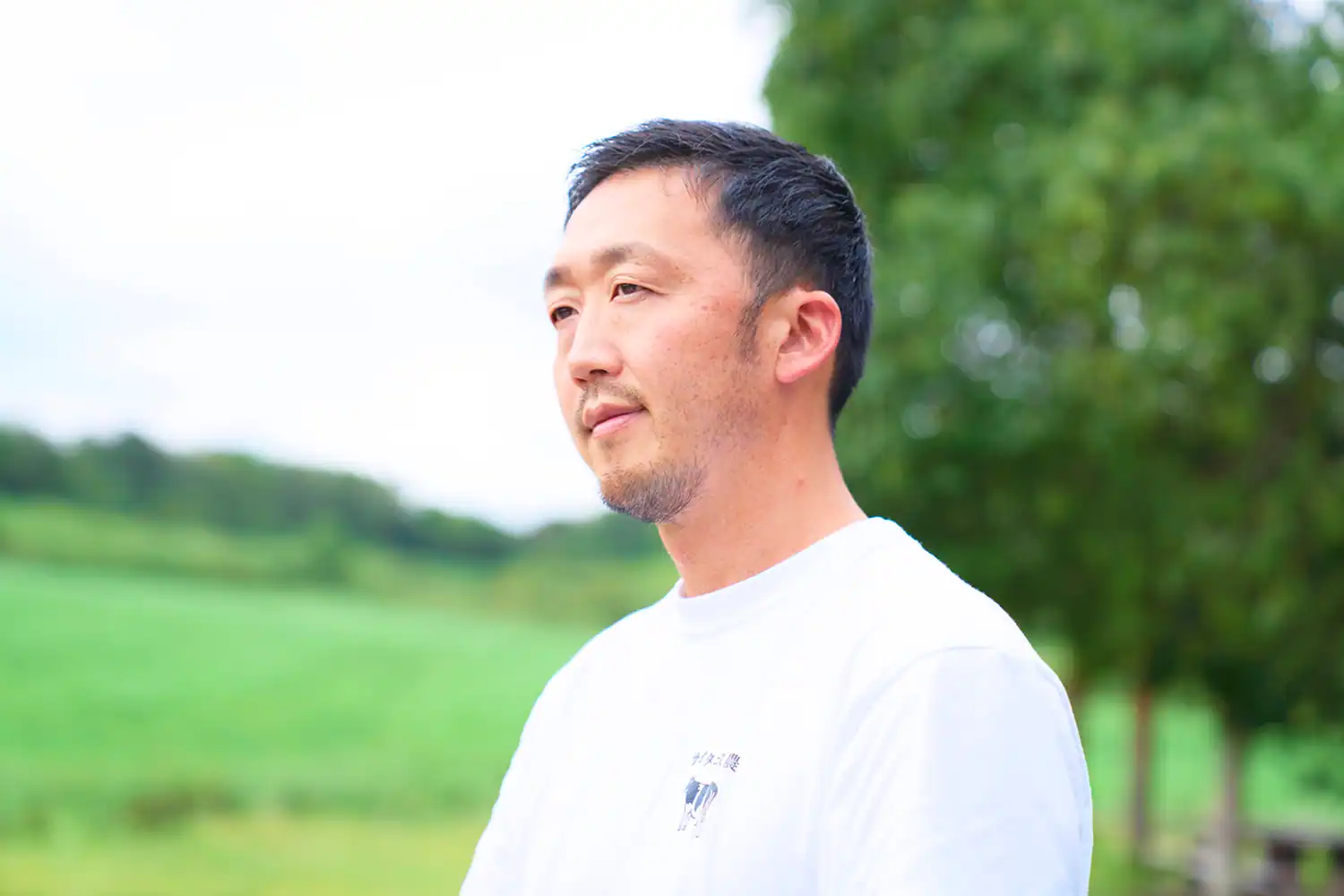
Kubo My father inherited the dairy farm started by my grandfather, and I am the third generation to farm here. My father believed that it was interaction with the consumers that would lead to the development of dairy farming, and that he should create contact points for this on the farm. So he opened the farm to the public so they could come into contact with the cows and drink their milk. It was also my father who started the gelato workshop.
Kubo We now have about 100,000 visitors a year; but if my father hadn't done this, I don't think the later developments would have taken place, either. I want to pass on to the next generation what my grandfather created and my father handed down to me. To do this, I am thinking about the appropriate form of dairy farming for the current era.
The people who have been supported by milk, and by the farm
— One of these aspects is the shift to pasture dairy farming which you have been engaged in since 2020, isn’t it? How were cattle originally raised at Sagotani Farmer?
Kubo If you look at old photos, cows were actually pastured on this farm, too. But as the demand for milk increased, the switch to raising cows in barns took place from my grandfather's generation in order to increase productivity. I think that this was necessary for the society at that time. But times have changed, and I've come to wonder if it’s OK to continue in the same way as before.
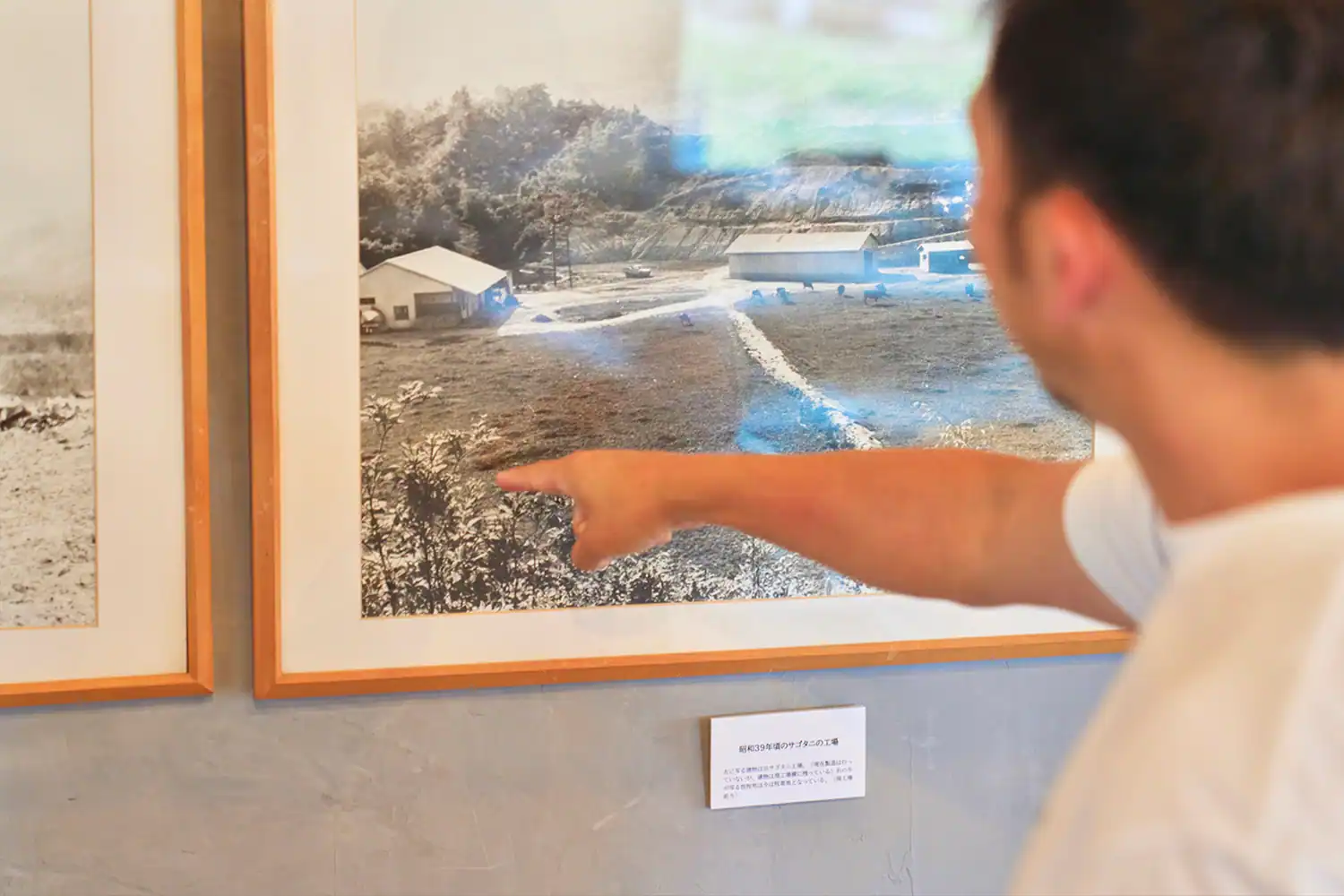
Kubo Ever since I left my previous job and came back here, I’ve always wanted to try pasture farming. So I gave it a little try, but it was so difficult that I thought the company would go bankrupt if I went on doing it (laughs).
You might think pasturing is easy because the cows eat grass all by themselves; but that's not true. You have to grow the grass that the cows eat, and you have to consider the condition of the land. It is also necessary to maintain the quality and volume of the milk produced to make it a viable business.
It was so difficult that I almost gave up once. I thought that I would build the company’s strength first, and then work on this after we had built up some funds.
— So did you start the switch to pasture farming because the management framework was in place?
Kubo The biggest turning point was the spread of COVID-19. Milk stopped selling completely. In the workshop, there is a tank to store the milk that has been collected, but milk just kept building up in it. Milk doesn't keep for long, so we were driven to the point where we had to throw it away.
But I really didn’t want to throw away the milk that the cows had given us from their own bodies. As a milk producer, I wanted to avoid that, if nothing else. So I distributed milk to elementary schools, medical facilities, welfare facilities, nursery schools, and so on. There were days when I managed not to throw any away, but I still had too much milk.
When I was wondering what to do, one of my staff suggested, "If you can't go and sell it, you can get people to come and buy it."
— You ran a drive-through, didn’t you?
Kubo There was a great deal of anxiety about the spread of the virus at the time, so criticism is probably unavoidable. But the staff spoke up, saying “Let’s do it!” When we gave it a try, about 1,000 cars came in two days and we sold more than 5,000 bottles of milk. They came all this way into the mountains just to buy it. What’s more, many people wrote letters or spoke to us.
— That’s because Sagotani milk has been loved by the people of Hiroshima for many years, right?
Kubo Yes, I think so. Since we’ve been producing milk in Hiroshima for a long time, some people told me that they had been drinking it since they were children, or that half of their bodies were made up of Sagotani milk. We also received letters saying, "We've been big fans since my mother's generation," and "Please do your best in this difficult time."
Among these, one that I can't forget is what a mother said to me. When her child was small, she was raising them alone, and there was a time when she was almost pushed to the edge psychologically. She told me with tears in her eyes that coming to the farm during that period and eating gelato while letting her child play freely was what saved her. “So this time, I’ve come to help you,” she said. I was so happy.
— So you weren’t just delivering milk; the farm itself was supporting someone.
Kubo Yes, that’s right. My grandfather started dairy farming, and my father placed great importance on interactions with consumers. I think this accumulated history is why there were people who helped us when we were in trouble. This experience strengthened my desire to continue building a farm that does something good for someone. That’s led to taking on the challenge of pasture farming.
— At the same time, you’ve started to rethink the design of your packaging, haven’t you?
Kubo We've been using the same packaging for a long time, so I thought it was around time to change it, and approached various designers. I received a few proposals; they looked cool, but something about them didn’t feel right. Around then, a friend introduced me to Yuma Harada of UMA/design farm.
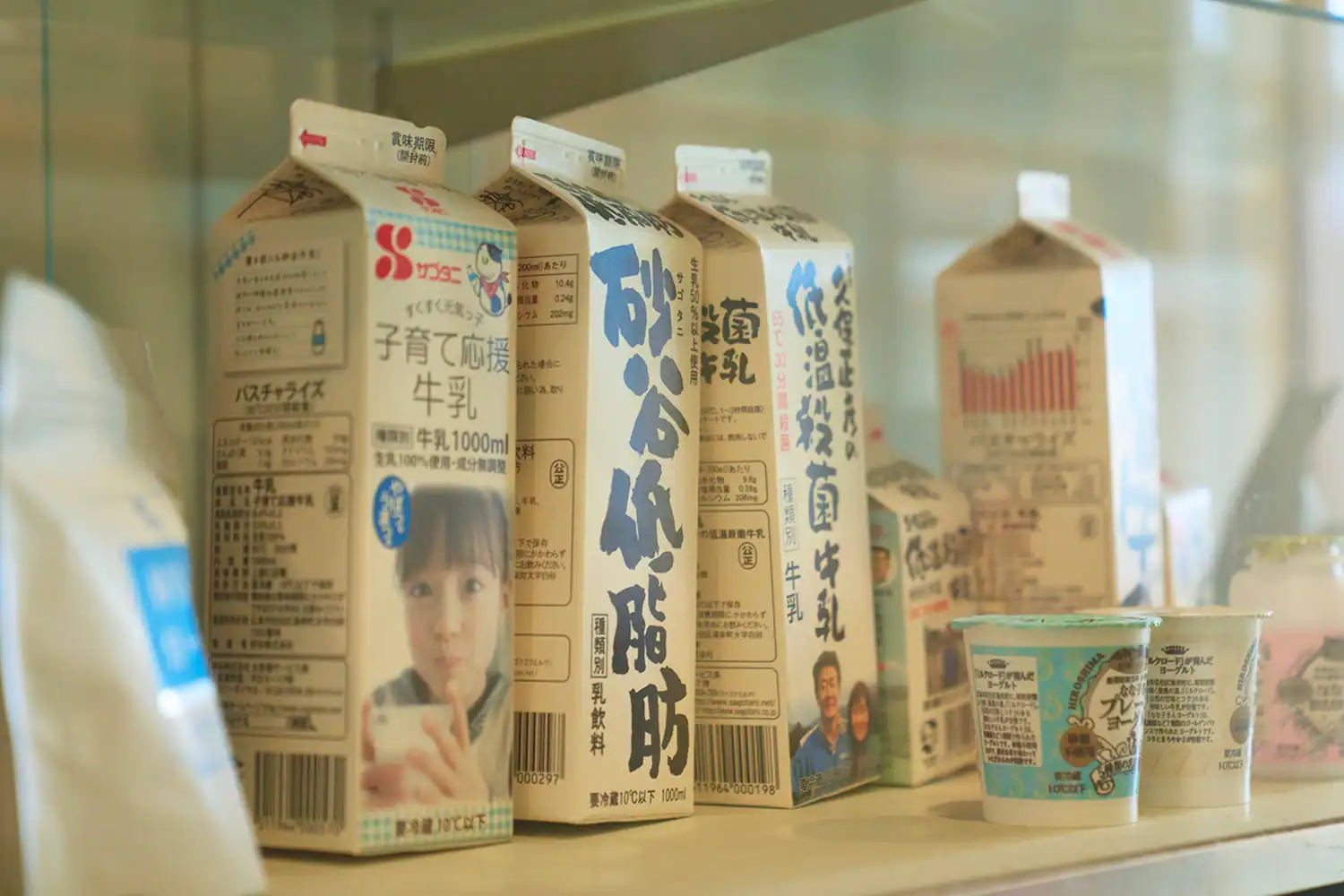
Kubo When I asked him for a design, Mr. Harada started to come to the farm almost every month. We walked around together, visiting the workshop and talking about many different things including the history of the farm, milk, and the kind of farm I wanted to make it into. But no concrete design came out of this for about six months. Just when I was thinking that design takes time (laughs), he came up with some packaging.
— Maybe half a year was necessary to get a grasp of the treasures hidden on this farm.
Kubo I talked about how the taste of milk changes with the seasons, and Mr. Harada said, "That’s something that’s obvious to the people here, but no-one else knows about it. But that's precisely the value of the milk here, isn't it?” He also told me, "Mr. Kubo, the pasture farming you want to do shows up the value of your milk even more strongly."
— So in other words, the process of nurturing the design revealed the true nature of Sagotani Farmer, which is at the core of it all.
Kubo For example, the birth of the “Spring and summer” and “Fall and winter” packages, which communicate the fact that the taste differs according to the season, became an internal anchor for me in a positive sense, making me feel "Let's do our best in pasture farming, so that these words show up even more strongly!” In a sense, this design serves as a declaration to ourselves.
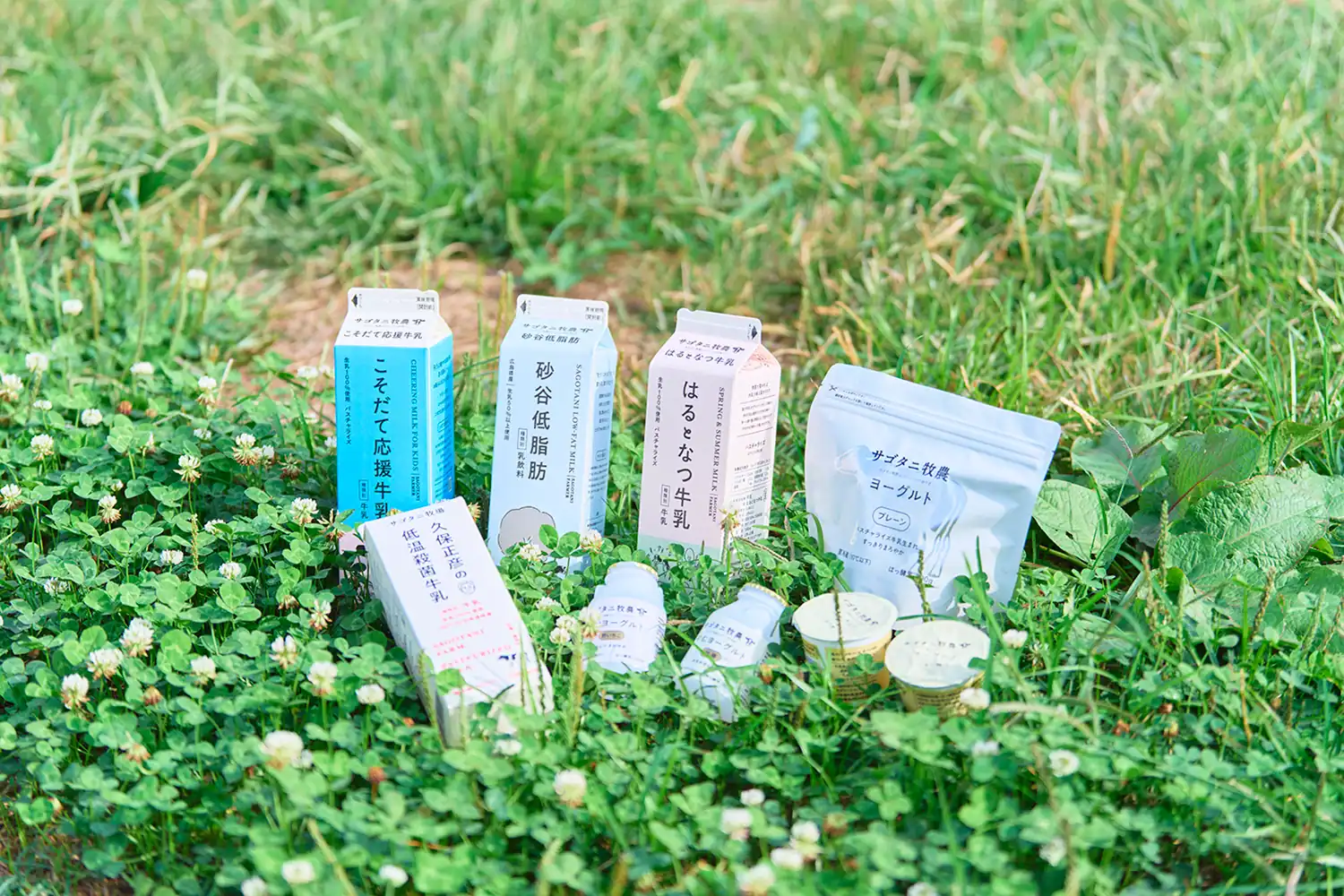
Kubo So I feel as though I have created the process of moving to pasture farming together with Mr. Harada, too. Design is not only about things that take shape; design is about giving shape to the way we want them to be. At the same time, by giving them shape, the desire to go further in that direction becomes stronger.
— In Part 2, we hear about the spread of this design approach and the new activities and exchanges that have emerged, using the farm as their stage. We trace these developments, beginning with the creation of pastureland in which more than 500 people took part.
Sagotani Farmer
Sagotani Co., Ltd.
Sagotani Farmer dairy farm, which has been in business for 85 years in Yuki Town, Hiroshima City, is working to rethink the relationships between cows, people, and the local community, centered on the shift to pasture dairy farming. In commemoration of the 80-year anniversary of its founding, the farm carried out a rebranding to express the diversity of milk flavors and its philosophy of "the cycle of people, cows, and nature" in its logo and packaging. A total of more than 500 people, including local residents and suppliers, took part in the creation of the pastureland. Opportunities for people to come together at the farm have also been expanded, including a shop and rest area, farm experiences, and events. Sagotani Farmer is reexamining the nature of dairy farming and working with the local community to create a new look for the farm.
- Award details
- 2025 GOOD DESIGN GOLD AWARD https://www.g-mark.org/en/gallery/winners/31098?years=2025
- Producer
- Sagotani Co., Ltd. Kosuke Kubo
- Director
- UMA/design farm Yuma Harada
- Designer
- UMA/design farm Kanae Hirakawa
Tomoko Ishiguro
Editor/writer
After working in the editorial department of “AXIS,” she became a freelancer. She writes, edits, and plans, with a focus on design and life culture. Her major editorial works include the LIXIL BOOKLET series (books, LIXIL Publishing) and “Oishisa no Kagaku” (magazines, NTS Publishing).
Yuki Sato
Photographer
After working at an advertising agency, she went independent as a freelance designer. Receiving a camera and equipment from a creator she admired sparked her passion for photography. She now focuses primarily on design and photography.


Related Articles
Creating possibilities from “black rubber” (Part 2)
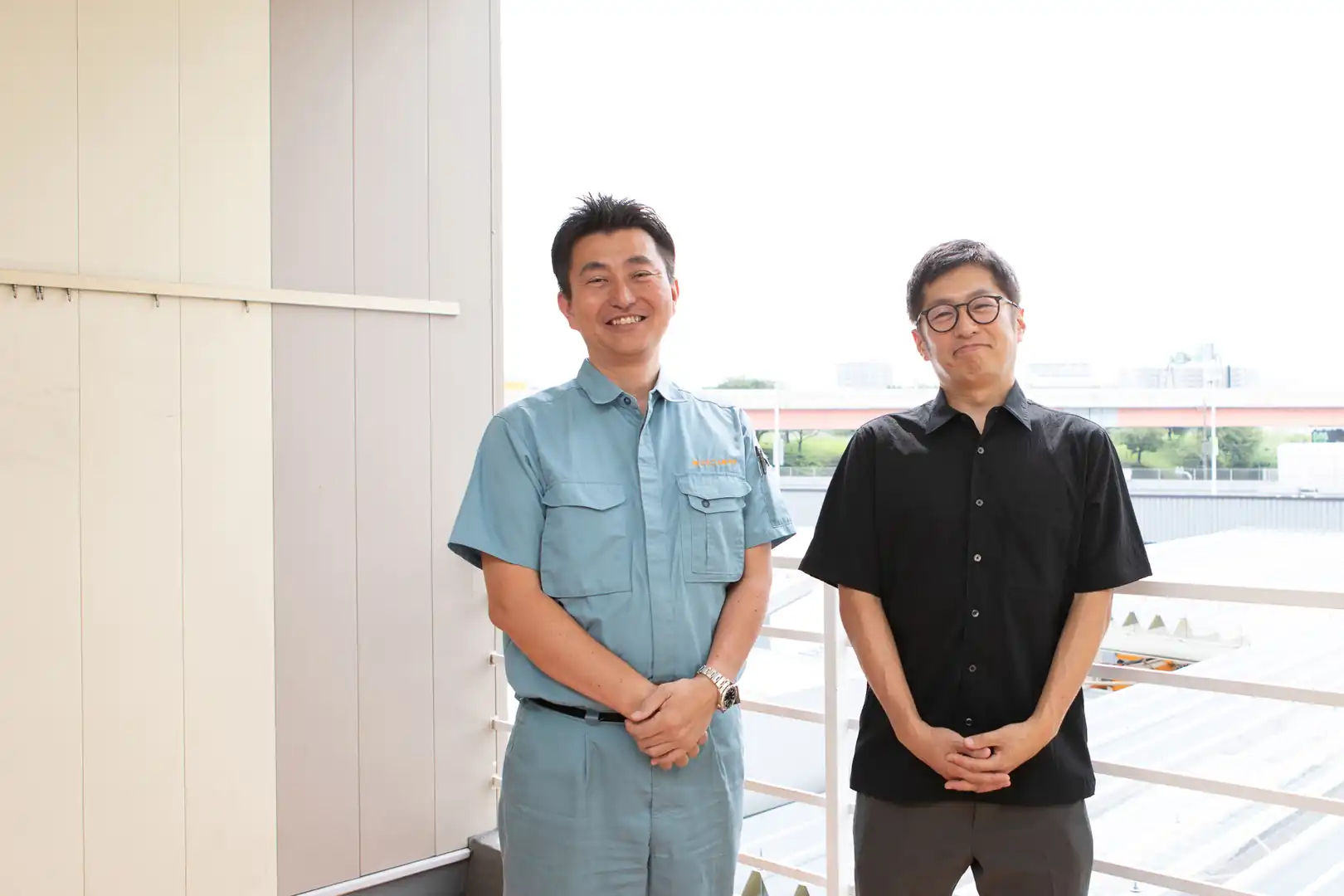
Eggshells, tea, seaweed, wood, stone, iron. “Rebbur” incorporates materials that had never before been associated with rubber to create new looks. In the background to this is the blending technology that Kouhoku Rubber Co., Ltd. has cultivated over many years. So how is rubber made in the first place? As we walked through the factory, we could see a manufacturing process different from that of plastic: applying heat, causing chemical reactions, and molding. Following on from Part 1, we asked President and Representative Director Kenta Sugahara and designer Tomoki Doi about the characteristics of rubber as a material, the new encounters that Rebbur opened up, and Kouhoku Rubber’s aims for the future.
Creating possibilities from “black rubber” (Part 1)
What comes to mind when you hear the word “rubber”? Tires, rubber bands, gaskets...? In reality, rubber is used to support society even in places where we do not see it. Kouhoku Rubber Co., Ltd., which has been in business for more than 60 years, has continued to produce rubber products tailored to specific uses by blending raw materials according to the needs of its customers. Kenta Sugahara, the third-generation company president, began looking for new ways of using it, saying “Rubber has endless possibilities.” These experiments gave birth to Rebbur, which combines unused materials such as eggshells and tea with natural rubber. Do not make something because there is a large market. First of all, give it a try. Search for the possibilities for new work from there. We asked Sugahara and designer Tomoki Doi, who is developing it together with him, about the kind of manufacturing that a small company can do best.
Beyond the company’s activities is society(Part 2)
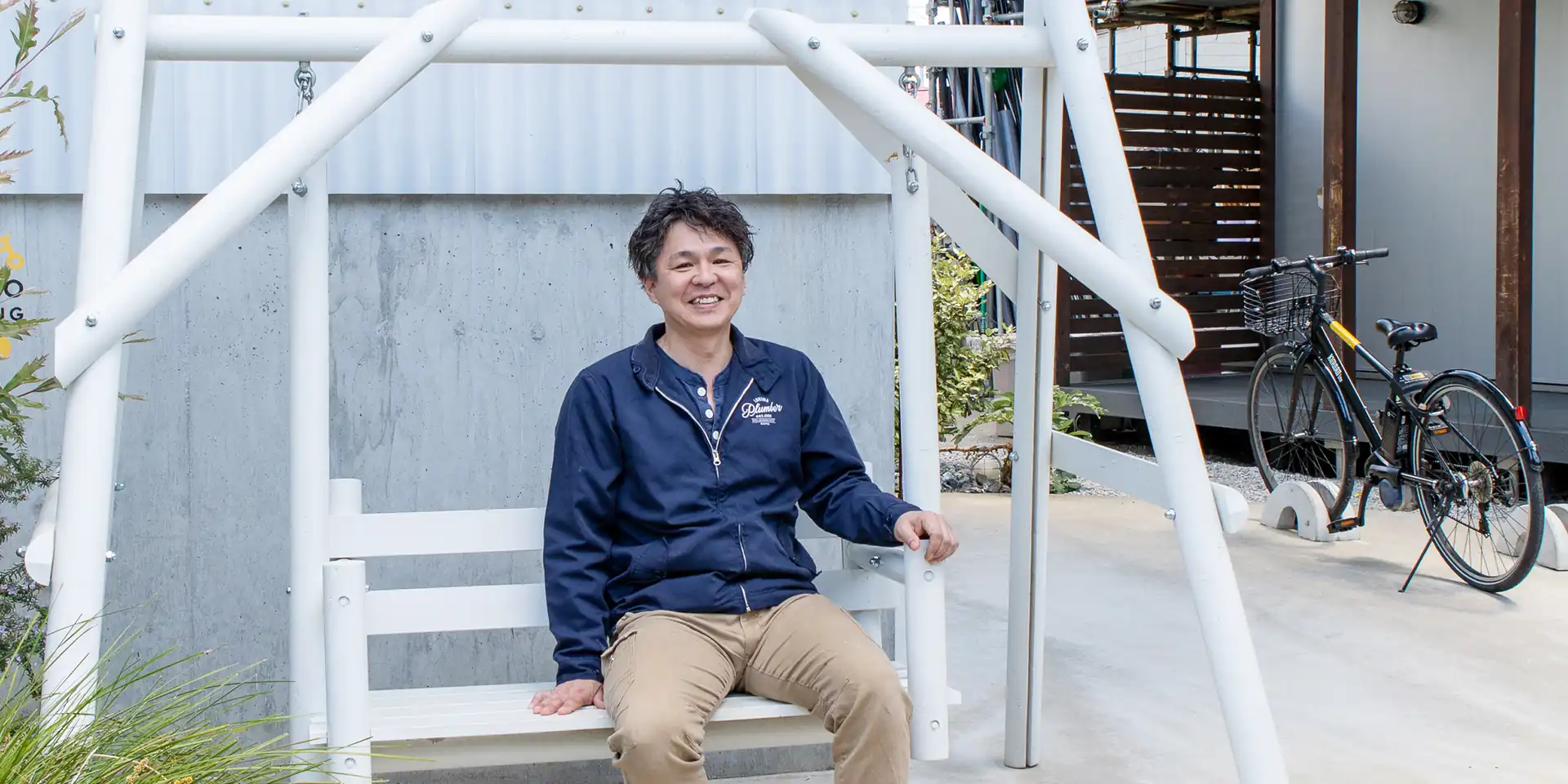
“Infrastructure Stand” in Tokorozawa City, Saitama Prefecture, is a public toilet as an extension of the showroom. Mr. Daigo Ozawa, CEO, Ishiwa Plumbing Ltd., says that he started with “a business strategy with an eye to the company’s future.” In the first part, we introduced the Infrastructure Stand as a gathering place for people, and the process in which the activities of the Infrastructure Stand spread to the community by involving companies and the government. What Mr. Ozawa is looking at next is disaster preparedness and toilet issues. The Infrastructure Stand is now not just a public toilet, but is about to become a testing ground for a closed-loop toilet that can function even in times of disaster.
Beyond the company’s activities is society (Part 1)
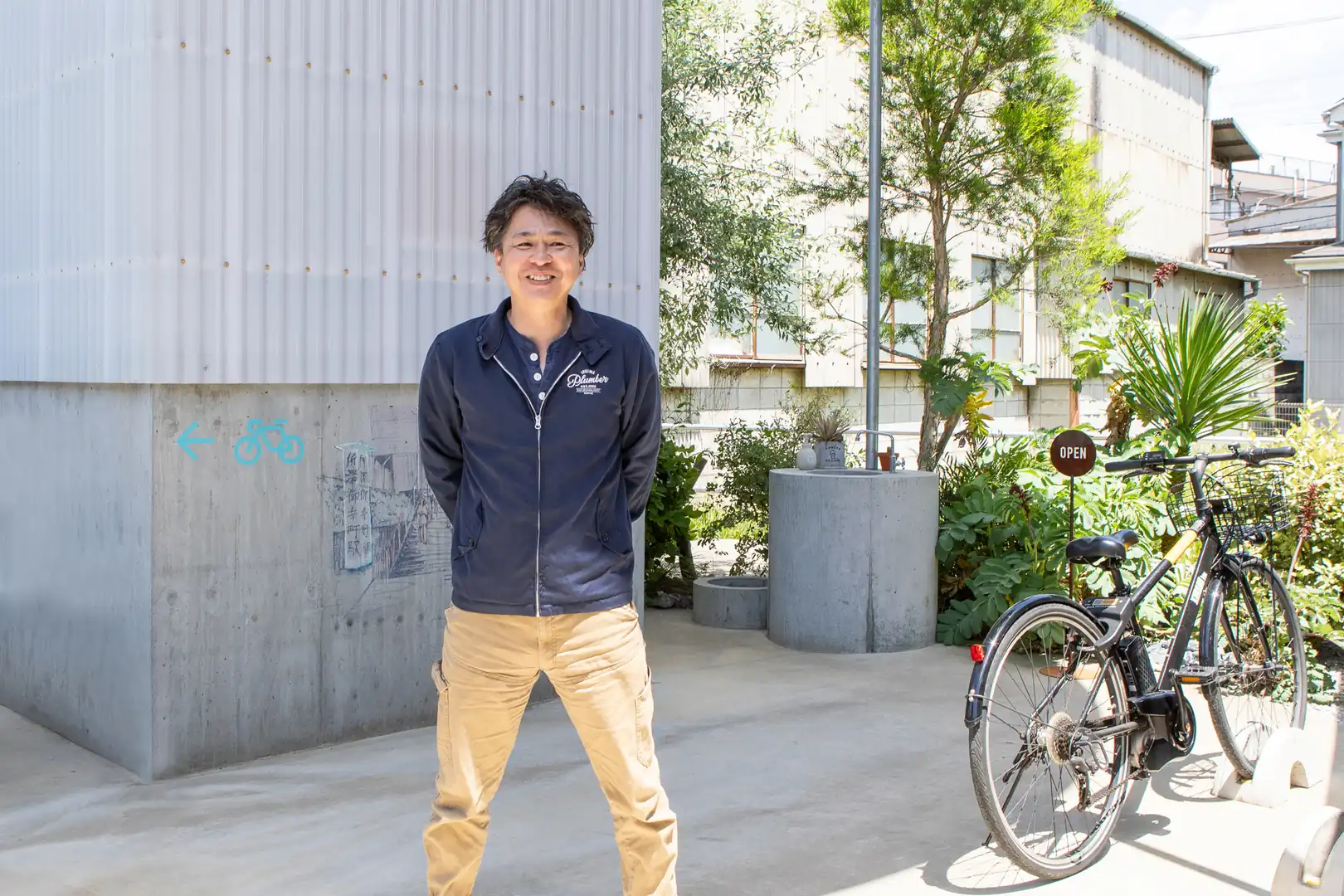
A plumbing company that built public toilets – you may imagine that this is one aspect of contribution to the local community, or a corporate social responsibility project. However, the “Infrastructure Stand” developed by Ishiwa Plumbing Ltd. of Tokorozawa City, Saitama Prefecture, is a bit of a different story. This project, which began with an extremely unique attempt to build a public toilet as an extension of their showroom, was also a business strategy with an eye to the company’s future: in the words of CEO Daigo Ozawa, “This is both a publicity tool and a recruitment tool.” After taking the company’s activities to their utmost limit, a place in which people come together is born, and the scope eventually broadens to encompass community and disaster preparedness, all while drawing in private enterprise and government. Rather than trumpeting their social contribution in a loud voice, the next step beyond the company’s activities is society. We asked about how this was put into practice.
